As a seasoned supplier of automotive brushless motors, I often encounter inquiries from clients about the rated voltage of these motors. Understanding the rated voltage is crucial as it directly impacts the performance, efficiency, and compatibility of the motor within an automotive system. In this blog, I’ll delve into the concept of rated voltage for automotive brushless motors, its significance, and how it relates to our products. Automotive Brushless Motor

What is Rated Voltage?
The rated voltage of an automotive brushless motor is the specific voltage at which the motor is designed to operate optimally. It is a fundamental parameter specified by the motor manufacturer, indicating the electrical potential difference that the motor can handle safely and efficiently. When the motor operates at its rated voltage, it can deliver the intended power output, torque, and speed while maintaining a reasonable level of reliability and longevity.
For instance, if a brushless motor has a rated voltage of 48 volts, it means that the motor is engineered to function most effectively when connected to a 48 – volt power source. Operating the motor at a voltage significantly higher or lower than the rated value can lead to various issues, such as reduced performance, overheating, and even permanent damage to the motor.
Factors Influencing Rated Voltage
Several factors play a role in determining the rated voltage of an automotive brushless motor:
System Requirements
The overall automotive system in which the motor is installed dictates the appropriate rated voltage. Different vehicles and their subsystems have varying power demands. For example, electric power steering systems may require a relatively low – voltage motor, typically around 12 or 24 volts, as they do not need to generate extremely high power. On the other hand, electric drive motors in fully electric vehicles often require high – voltage systems, such as 400 volts or even higher, to provide sufficient power for propulsion.
Motor Design and Construction
The internal design and construction of the motor also influence its rated voltage. The number of winding turns, the type of magnetic materials used, and the insulation properties all contribute to the motor’s ability to handle a specific voltage. Motors with more winding turns can generally handle higher voltages, but this also affects other performance characteristics, such as the motor’s resistance and inductance.
Safety and Efficiency Considerations
Safety is a top priority in automotive applications. Higher voltages can pose a greater risk of electrical shock and require more sophisticated insulation and safety measures. Therefore, the rated voltage is also determined by striking a balance between the need for high power and the safety requirements. Additionally, efficiency is a key factor. Operating the motor at its rated voltage helps to minimize power losses, such as resistive losses in the windings, and maximize the overall energy efficiency of the motor.
Common Rated Voltages in Automotive Brushless Motors
In the automotive industry, several common rated voltages are used for brushless motors:
12 Volts
The 12 – volt system is the most common in traditional internal combustion engine vehicles. Many auxiliary motors, such as those used for windshield wipers, blower fans, and power windows, operate at 12 volts. This low – voltage system is well – established and has been used for decades due to its simplicity and compatibility with the vehicle’s electrical infrastructure.
24 Volts
The 24 – volt system is often found in commercial vehicles, buses, and some heavy – duty applications. It provides more power than the 12 – volt system, making it suitable for larger motors, such as those used in air compressors and some steering systems. The higher voltage allows for lower current flow, reducing resistive losses and enabling the use of smaller cables.
48 Volts
In recent years, the 48 – volt system has gained popularity in the automotive industry, especially in hybrid and some mild – hybrid vehicles. It offers a compromise between the low – voltage 12 – volt system and the high – voltage systems used in fully electric vehicles. The 48 – volt system can power more demanding electrical components, such as start – stop systems, electric superchargers, and regenerative braking systems, with greater efficiency compared to the 12 – volt system.
High – Voltage Systems (e.g., 400V, 800V)
Fully electric vehicles typically use high – voltage systems, starting from around 400 volts and reaching up to 800 volts in some advanced models. These high – voltage systems are necessary to provide the large amount of power required for vehicle propulsion. The higher voltage allows for faster charging and reduces the size and weight of the electrical components, improving the overall efficiency and performance of the vehicle.
Significance of Rated Voltage in Our Products
As a supplier of automotive brushless motors, we take great care in specifying the rated voltage of our products accurately. Our customers rely on the rated voltage information to ensure that our motors are compatible with their automotive systems.
When designing our motors, we conduct extensive testing to determine the optimal rated voltage based on the intended application. For example, if we are developing a motor for a power steering system in a passenger car, we will choose a rated voltage of 12 or 24 volts to match the vehicle’s electrical system and meet the power requirements of the steering function.
We also provide detailed technical specifications and guidelines to our customers regarding the rated voltage. This helps them to install and operate our motors correctly, maximizing the performance and lifespan of the motors. Additionally, we continuously invest in research and development to improve our motor designs to be more efficient at their rated voltages and to adapt to the evolving voltage requirements in the automotive industry.
Importance of Voltage Regulation
Maintaining a stable voltage within the automotive system is essential for the proper operation of our brushless motors. Voltage fluctuations can occur due to various factors, such as battery conditions, electrical loads, and charging processes.
Voltage regulation is crucial to ensure that the motor receives a consistent voltage supply at or near its rated voltage. Inconsistent voltage can lead to erratic motor performance, increased wear and tear, and reduced efficiency. We often recommend our customers to use appropriate voltage regulators and power management systems to protect our motors from voltage fluctuations.
Working with Us on Voltage – Related Solutions
If you are in the automotive industry and looking for high – quality brushless motors, we are here to help. Our team of experts has in – depth knowledge of rated voltages and can assist you in selecting the most suitable motor for your specific application.
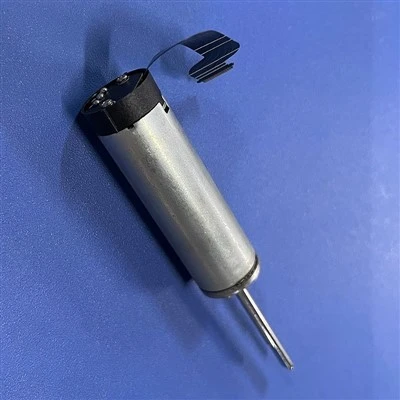
Whether you need a 12 – volt motor for a small auxiliary system or a high – voltage motor for an electric vehicle propulsion system, we have a wide range of products to meet your needs. We can also work with you to customize the rated voltage and other performance parameters of the motor to fit your unique requirements.
Brushless Dc Motor Don’t hesitate to reach out to us for more information about our automotive brushless motors. We are committed to providing excellent products and services to support your automotive projects. Contact us today to start a discussion about your motor procurement needs, and let’s work together to find the best solutions for your automotive systems.
References
- Chapman, S. J. (2012). Electric Machinery Fundamentals. McGraw – Hill.
- Nagurka, M. L., & Boyer, D. N. (2015). Electric Motors and Drives: Fundamentals, Types and Applications. Routledge.
- Vahidi, A., & Eskandarian, A. (2013). Hybrid Electric Vehicles: Principles and Applications with Practical Perspectives. CRC Press.
Shenzhen HengDrive Technologies Co., Ltd.
Shenzhen HengDrive Technologies Co., Ltd. is one of the most professional automotive brushless motor manufacturers and suppliers in China, specialized in providing high quality customized service. We warmly welcome you to buy the newest automotive brushless motor in stock here from our factory.
Address: Building A & F, FuNing Hi-Tech Park, XinTian Road, FuHai Street, BaoAn District, ShenZhen, GuangDong Province, China.
E-mail: Marketing001@hengdrive.com
WebSite: https://www.hengdrivemotor.com/
