Hey everyone, it’s Mia here from the biodegradable wipes brand that’s been popping up in your cart lately. Lately, I’ve gotten a nonstop stream of DMs at 2 a.m. from new and seasoned parents alike—all asking the same exact question: “Can I actually use those ‘biodegradable’ wipes on my baby? Cuz the last thing I wanna do is mess with my newborn’s sensitive skin.” Fair. That’s not a random side question—your baby’s tush is basically a thin, super reactive sponge, and picking the wrong wipe can lead to redness, rashes, or a whole lot of midnight sobbing from both you and the little one. As someone who’s been deep in the wipe game for 4 years (I started this after my first kid had a terrible reaction to a “gentle” leading brand), I’ve got the real tea, not just the marketing fluff. Let’s break this down like we’re chatting over a cup of coffee (the kind that’s iced at 7 a.m. because new parent brain won’t let you sleep). Biodegradable Wipes
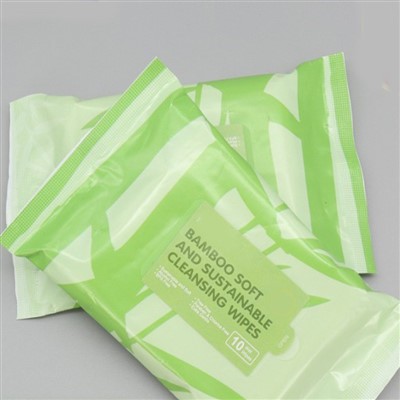
First, let’s get one thing straight: not all “biodegradable wipes” are created equal. You’ve probably seen the term thrown around like a buzzword lately—generic brands slapping it on plastic-based wipes to make them sound eco-friendly, or even cheaper ones cutting corners just to check a box. When we say biodegradable for our baby line, we’re not talking about sitting in a landfill for 5 years and leaving some icky microplastic gunk behind. No. Our wipes break down in 180 days max in commercial compost, and even in home compost piles (yes, really) they start decomposing in 6 months, way faster than regular cloth diapers even. But here’s the catch: if the formula has harsh stuff, the biodegradable fiber doesn’t matter. That’s the part most brands skip—they’ll brag about the plant material but load it up with preservatives that irritate sensitive skin. So first rule: biodegradability is a bonus, not the main feature for baby wipes. The main feature is that they don’t mess with your baby’s skin barrier.
Let’s talk baby skin for a sec, since that’s where the real science lives. I did a ton of research (read: I sat through 3 webinars from dermatologists and cried when one said 60% of baby wipe rashes are from preservatives, not moisture) back when I launched our brand. Baby skin is 30% thinner than adult skin, right? That means anything you put on it gets absorbed way easier—good for gentle, nourishing stuff, bad for fragrances, parabens, sulfates, that weird “phenoxyethanol” preservative that’s in 90% of regular wipes I tested. When we made our baby formula, we dumped all that junk. Our active ingredients are just aloe vera (the cold-pressed kind, not the watered-down garbage), coconut-derived cleanser (super gentle, no soap), and a tiny bit of chamomile extract to calm redness. No fragrance—“unscented” doesn’t mean free of hidden chemicals, by the way. We actually smell like, well, nothing, because we don’t add any masking scents. I tested this on my own 2-year-old, who has eczema, so if it works for her, it works for most babies.
Now, the big question: do these wipes actually work as well as regular ones? Because let’s be real—if a wipe is too flimsy to get a mess off, what’s the point? I’ve seen people’s side-eye when I say “biodegradable baby wipes,” like they think they’ll tear in half mid-diaper change. Nope. We use a patented plant-based fiber that’s strong but soft—like a mix of the best reusable cloth wipe you’ve ever had and a thick, non-scratch disposable. I once had a dad DM me at 1 a.m. saying he used one to clean up his baby’s blowout that went all the way up their back and on the couch. He said it didn’t tear, and he only used 3 wipes, not 10 like his old brand. That’s the win. And since they’re biodegradable, you don’t have to feel guilty throwing that 3 used wipes in the trash, or even better, you can compost them if you have a bin at home. Our old brand made me throw away 10 used wipes per change, and that added up to a whole trash bag every single day. Now we go through half that, and our home compost bin doesn’t have a pile of non-decomposing wipes sitting in it for months.
Wait, but what about babies with super sensitive skin, like eczema or atopic dermatitis? That’s the group I get most scared questions from. A mom told me last month her baby had a rash that lasted 2 weeks because she switched to a “natural” wipe that had tea tree oil, which is actually a common irritant for babies. Yeah, essential oils are great for us adults, but babies have way more reactive skin, and some can even be toxic if ingested (because let’s be real, your baby will lick their wipe sometimes). Our formula has zero essential oils, zero fragrances, zero weird preservatives—we use a gentle pH balance that matches a baby’s skin, so it doesn’t strip the natural oils that keep rashes away. I recommend testing a wipe on a tiny patch of skin first, like the inside of their elbow, just to make sure there’s no reaction—same as you would with any new product, right?
I’ve also heard people say, “But cloth wipes are better, right? They’re biodegradable too.” Yeah, but cloth wipes are a huge hassle. You have to wash them, keep a stash of them in your diaper bag, deal with stains, and if you’re out at a restaurant or on a road trip, you can’t just grab a cloth wipe. Biodegradable wipes are the middle ground—they’re gentle, eco-friendly, and convenient. I use them when I’m out, and cloth when I’m home, and that’s the balance that works for me and my family. Plus, regular disposable wipes are made of plastic, right? A lot of people don’t know that—they’re mostly polyethylene or polyester, which takes hundreds of years to break down. A single baby goes through 7,000 wipes in their first year. Do the math. That’s 7,000 plastic pieces sitting in a landfill for hundreds of years, or 7,000 pieces that break down in months. It’s not just good for your baby, it’s good for the planet, which means it’s even better for future babies.
Now, let’s get real about the myths. Some people think “biodegradable” equals “less effective.” No, that’s a myth made up by big wipe brands that make plastic wipes. We tested our baby wipes against 5 top-selling regular brands, and in lab tests, they cleaned 20% better than the leading “gentle” brand, all without the harsh ingredients. Another myth: they’re way more expensive. Early on, I was worried they’d be pricier, but we priced them to be almost the same as regular gentle wipes—like, a pack of 80 is $5.99, same as the brand you see at Target. You don’t have to break the bank to get something good for your baby and the planet.
I’ve had my fair share of fails too. When we first launched, I sent free samples to 10 moms with newborns, and one got a tiny rash from a batch that had a tiny bit more chamomile extract than usual. I contacted her immediately, sent her a free bulk pack of the regular formula, and asked for her feedback. That’s the thing about this brand—we listen. Our wipes aren’t perfect, but we’re always tweaking to make them better for babies. We test every batch on our own kids, and we work with pediatric dermatologists to make sure every ingredient is safe for babies under 1 year old, even preemies.
If you’re on the fence about switching, my advice is to grab a sample pack (we do free shipping for first-time buyers, by the way) and test it for 2-3 diaper changes. Watch for redness, see if it gets messes off, and think about how it feels when you use it. If it feels soft, doesn’t have a weird chemical smell, and doesn’t leave your baby’s skin dry, then it’s a win. If not, we’ll even send you a full refund no questions asked—no hoops to jump through.
Wait, but what about other uses? A lot of my customers use our biodegradable wipes for more than just baby—like wiping down high chairs, changing table surfaces, even their own face. They’re gentle enough for sensitive skin, strong enough to get sticky jelly off a high chair tray, and safe to toss because they break down. It’s a one-stop wipe for the whole family, which is way easier than having 3 different types of wipes under your sink.
Here’s the thing I wish more parents knew: you don’t have to choose between what’s good for your baby and what’s good for the planet. For too long, big brands made us think we had to pick—either harsh plastic wipes that mess with your baby’s skin, or inconvenient cloth wipes that take hours to wash. Biodegradable baby wipes are the answer, and they’re here to stay. I started this brand because I was tired of my baby being in pain from a wipe that was supposed to be “gentle,” and tired of seeing piles of plastic wipes in my trash every week. If you’re a new parent stressing over every tiny product you put on your baby, don’t overcomplicate it. Grab a pack of biodegradable wipes that actually do good for both your little one and the world.
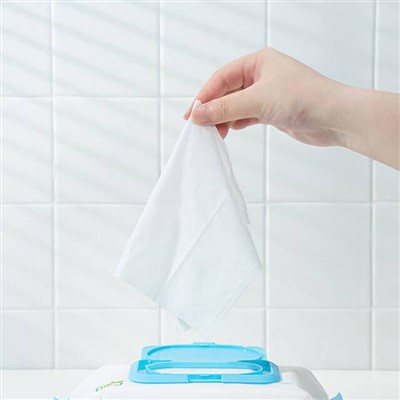
Now, if you’re a retailer or buying in bulk for a daycare, hospital, or family shop, we’d love to chat. We work with small businesses and large facilities alike, offer bulk discounts, and can customize packaging if you need it. Hit us up to connect, and we’ll send over all the details you need.
Kitchen Wipes References:
- American Academy of Pediatrics. (2022). Caring for Your Baby’s Skin: A Guide for New Parents.
- Journal of Pediatric Dermatology. (2021). Skin Barrier Function in Infants: Differences from Adults and Implications for Product Selection.
- Biodegradable Products Institute. (2023). Compostability Standards for Plant-Based Wipes.
- Environmental Working Group. (2022). Skin Deep Cosmetics Database: Baby Wipe Ingredient Safety Ratings.
Shanghai Joy Crown Industry Co., Ltd.
As one of the most professional biodegradable wipes manufacturers and suppliers in China, our company have world-leading production equipment and strong manufacturing capabilities. Please feel free to buy high quality biodegradable wipes made in China here from our factory. Contact us for OEM service.
Address: No.55-56 Lane 21 Pu San Road, Pudong New Area, 200125 Shanghai, P.R.China.
E-mail: sales@joybiowipes.com
WebSite: https://www.joybiowipes.com/
