What are the cost – effectiveness considerations when choosing concrete testing equipment?
As a supplier of concrete testing equipment, I’ve had numerous discussions with clients who are in the process of making decisions about which equipment to purchase. These conversations often revolve around the cost – effectiveness of different testing solutions. Cost – effectiveness is not simply about finding the cheapest option; it involves a complex balance of factors that can impact the long – term value and performance of the equipment. Concrete Testing Equipment
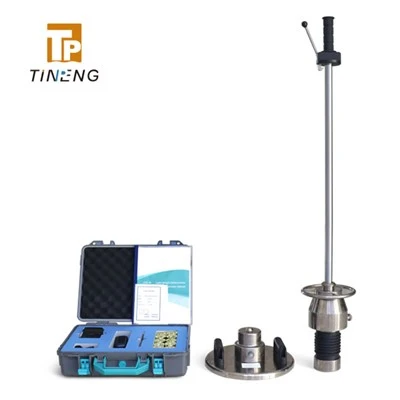
One of the primary cost – effectiveness considerations is the initial purchase price. It’s undeniable that budget constraints play a significant role in any purchasing decision. However, it’s crucial to approach the initial cost with a discerning eye. Cheaper equipment may save money upfront, but it often comes with trade – offs. For example, some low – cost concrete testing devices might have lower accuracy levels. In the concrete industry, accuracy is of paramount importance. A small error in a compression test or a slump test can have far – reaching consequences, leading to faulty construction, potential safety hazards, and costly rework. Suppliers may be tempted to cut corners on materials and manufacturing processes to offer a lower – priced product. As a result, the equipment may not be durable enough to withstand the rigors of a construction site.
On the other hand, high – end equipment with a hefty price tag doesn’t always guarantee the best value. Some premium models may come with features that are not necessary for your specific testing needs. It’s important to thoroughly assess your requirements before making a purchase. For instance, if you primarily work on small – scale residential projects, you may not need a top – of – the – line, industrial – grade testing machine with advanced automation and data analytics capabilities. Instead, a more basic but reliable model could provide sufficient accuracy at a much lower cost.
In addition to the purchase price, operational costs are a critical aspect of cost – effectiveness. These include expenses such as maintenance, repairs, and the cost of consumables. Maintenance requirements vary significantly between different types of concrete testing equipment. Some automated systems may require regular software updates and calibration to ensure accurate results. Failure to perform these maintenance tasks can lead to inaccurate readings and premature equipment failure. Manual equipment, while generally simpler and less expensive to maintain, may require more time and labor for operation.
The cost of consumables, such as testing molds, probes, and calibration weights, can also add up over time. When choosing equipment, it’s essential to consider the availability and cost of these consumables. Some suppliers offer proprietary consumables at a premium price, which can significantly increase the long – term cost of ownership. Opting for equipment that uses widely available, standard – sized consumables can help keep operational costs down.
Another factor to consider is the speed and efficiency of the testing process. In the construction industry, time is money. Faster testing equipment can reduce project timelines and increase overall productivity. For example, a modern concrete moisture meter that provides instant results can save hours compared to traditional testing methods that require sample collection, laboratory analysis, and waiting for results. While equipment that offers high – speed testing may have a higher initial cost, the time savings can translate into significant cost savings in the long run.
The versatility of the equipment is also an important consideration for cost – effectiveness. A single piece of equipment that can perform multiple tests can be much more cost – effective than purchasing separate devices for each type of test. For example, some multi – function concrete testers can measure compressive strength, flexural strength, and density. This not only reduces the initial investment but also saves space and simplifies the testing process. However, it’s important to ensure that the multi – function device meets the accuracy requirements for each individual test.
Reliability and support from the supplier are also key factors. Concrete testing equipment is a long – term investment, and you want to ensure that it will perform consistently over time. A reliable supplier will offer high – quality equipment that is backed by a solid warranty. In addition, they should provide excellent customer support, including prompt technical assistance, training for operators, and access to replacement parts. A supplier with a good reputation in the industry is more likely to stand behind their products and provide the support needed to keep your equipment running smoothly.
Training requirements are another aspect that can impact cost – effectiveness. Some advanced concrete testing equipment may require specialized training for operators to use it correctly. While this training can add to the upfront cost, it is essential for ensuring accurate and reliable test results. A supplier that offers comprehensive training programs as part of the purchase package can help minimize these additional costs. On the other hand, if the training is too complex or expensive, it may be necessary to consider simpler equipment that requires less training.
Resale value is often overlooked but can be an important consideration for cost – effectiveness. Quality concrete testing equipment retains its value better over time. If you expect to upgrade or replace your equipment in the future, choosing a model with a high resale value can help offset the cost of the new purchase. Factors that can affect resale value include the brand reputation, the condition of the equipment, and the availability of replacement parts.
When making a decision about which concrete testing equipment to choose, it’s also advisable to compare different suppliers. Each supplier may offer different features, prices, and levels of customer support. Reading customer reviews and testimonials can provide valuable insights into the experiences of other users. Additionally, attending trade shows and industry events can give you the opportunity to see the equipment in person, ask questions, and compare different models side – side.

In conclusion, choosing cost – effective concrete testing equipment requires a comprehensive assessment of multiple factors. The initial purchase price is just one part of the equation, and it should be evaluated in conjunction with operational costs, speed and efficiency, versatility, reliability, support, training requirements, and resale value. By carefully considering these factors, you can make an informed decision that maximizes the value of your investment.
Setting Time Apparatus If you are in the process of selecting concrete testing equipment for your project or business, I invite you to reach out to discuss your specific needs. We are committed to providing high – quality, cost – effective solutions tailored to your requirements. Our team of experts is ready to assist you in making the right choice.
References
- ASTM International. (Year). ASTM standards related to concrete testing.
- RILEM (International Union of Laboratories and Experts in Construction Materials, Systems and Structures). (Year). Technical recommendations for concrete testing.
- Concrete Industry Management reports. (Year). Research on the performance and cost – effectiveness of concrete testing equipment.
Zhuozhou Tianpeng Imp. and Exp. Trade Co., Ltd.
Zhuozhou Tianpeng Imp. and Exp. Trade Co., Ltd. is one of the most professional concrete testing equipment manufacturers and suppliers in China, featured by quality products and good price. Please rest assured to buy advanced concrete testing equipment made in China here from our factory. Customized orders are welcome.
Address: Building C28, Hegu Technology Industrial Park, Development Zone, Zhuozhou, Hebei, China
E-mail: zhangdajing@testmould.com
WebSite: https://www.testmould.net/
