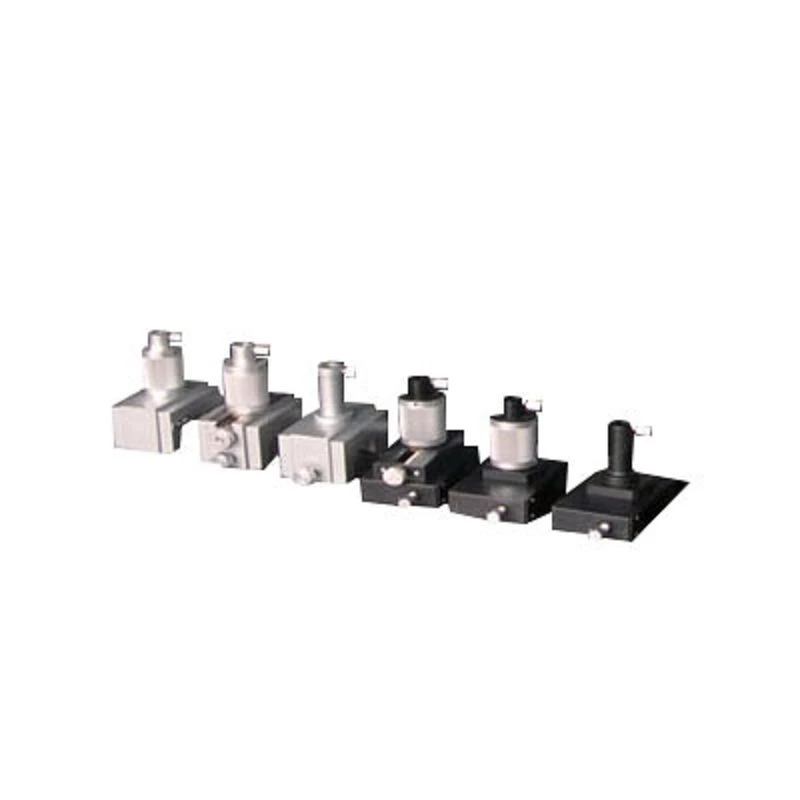
Yo, folks! I’m a supplier of electromagnetic instruments, and I’ve seen firsthand how crucial it is to keep these things in tip – top shape. You know, electromagnetic instruments are used in a whole bunch of industries, from healthcare to manufacturing. And if you’re not taking care of them properly, you’re gonna run into some serious problems down the line. So, today I’m gonna share some tips on how to maintain electromagnetic instruments. Electromagnetic instruments
Regular Cleaning
First off, let’s talk about cleaning. It might sound simple, but regular cleaning is super important. Dust, dirt, and other particles can build up on the surface of your electromagnetic instruments over time. This can interfere with their performance and even cause damage in the long run.
For the exterior of the instruments, you can use a soft, dry cloth to wipe them down on a daily basis. This will keep the surface clean and free of debris. If there’s some stubborn dirt, you can dampen the cloth slightly with a mild cleaning solution. But make sure it’s a solution that’s safe for the material of your instrument. You don’t want to use anything too harsh that could scratch or damage the surface.
The interior parts of the instruments can be a bit trickier to clean. You might need to consult the user manual to see if there are any specific instructions for accessing and cleaning the internal components. Sometimes, you might need to use compressed air to blow out any dust that’s accumulated inside. Just be careful when using compressed air and make sure you’re using it at the right pressure to avoid damaging any delicate parts.
Proper Storage
Storage is another key aspect of maintaining electromagnetic instruments. When these instruments aren’t in use, they need to be stored in a proper environment. You don’t want to just leave them lying around anywhere.
The storage area should be clean, dry, and well – ventilated. Humidity can be a big problem for electromagnetic instruments. High humidity can cause corrosion of the metal parts and damage to the electronic components. So, try to keep the relative humidity in the storage area between 40% and 60%.
You also need to protect the instruments from temperature extremes. Extreme heat or cold can affect the performance and lifespan of the instruments. Most electromagnetic instruments work best at temperatures between 20°C and 25°C. Don’t store them in places like attics or basements where the temperature can fluctuate wildly.
And of course, you should store the instruments in a way that protects them from physical damage. Use cases or cabinets to keep them safe from accidental bumps or knocks. If the instruments have any detachable parts, make sure to store them together and in a place where they won’t get lost.
Calibration
Calibration is like giving your electromagnetic instruments a health check – up. It ensures that the instruments are measuring accurately. Over time, the performance of these instruments can drift, and they might not give you the correct readings.
You should calibrate your electromagnetic instruments at regular intervals. The frequency of calibration depends on a few factors, like how often the instrument is used, the environment it’s used in, and the manufacturer’s recommendations. Some instruments might need to be calibrated monthly, while others can go for a year or more between calibrations.
When it comes to calibration, it’s best to use a professional calibration service. They have the equipment and expertise to calibrate the instruments accurately. But if you have the right tools and knowledge, you can also do some basic calibration in – house. Just make sure you follow the proper procedures and keep records of the calibration results.
Component Inspection
Regularly inspecting the components of your electromagnetic instruments is a must. You want to catch any potential problems early before they turn into major issues.
Check the cables and connectors for any signs of wear and tear. Frayed cables or loose connectors can cause electrical problems and affect the performance of the instrument. If you notice any damage, replace the cables or connectors right away.
Look at the display and control panels of the instruments. Make sure all the lights are working properly, and the buttons are responsive. If there are any issues with the display, like a flickering screen or incorrect readings, it could indicate a problem with the internal electronics.
Inspect the sensors and probes of the instruments. These are the parts that actually detect and measure the electromagnetic signals. Make sure they’re clean and free of any damage. A damaged sensor can give inaccurate readings, so it’s important to replace it if necessary.
Operator Training
Your operators play a huge role in the maintenance of electromagnetic instruments. If they don’t know how to use the instruments properly, they can cause unnecessary wear and tear or even damage the instruments.
Provide proper training to all the operators who will be using the electromagnetic instruments. They should know how to turn the instruments on and off correctly, how to operate the different functions, and how to handle the instruments safely.
Teach them about the importance of regular maintenance and how to perform basic maintenance tasks, like cleaning and simple inspections. Encourage them to report any problems or issues they notice with the instruments as soon as possible. Well – trained operators can help extend the lifespan of your electromagnetic instruments and ensure their reliable performance.
Software Updates
A lot of modern electromagnetic instruments come with software that controls their functions and analyzes the data. Software updates are important because they can fix bugs, improve performance, and add new features to the instruments.
Keep an eye on the software version of your instruments. The manufacturer will usually release update notifications when there are new updates available. Make sure to install the updates as soon as possible, following the proper procedures.
Updating the software can sometimes be a bit tricky, especially if you’re not very tech – savvy. But most manufacturers provide detailed instructions on how to do it. If you’re having trouble, you can always contact the manufacturer’s support team for help.
Documentation
Last but not least, keep good documentation of the maintenance activities for your electromagnetic instruments. This includes records of cleaning, calibration, component inspections, software updates, and any repairs that have been done.
Documentation is important for a few reasons. First of all, it helps you keep track of the maintenance history of each instrument. You can see when the last calibration was done, whether there have been any repeated problems, and what kind of maintenance has been performed over time.
Second, it can be useful for regulatory compliance. In some industries, you’re required to keep maintenance records for a certain period of time. By having proper documentation, you can prove that you’ve been taking good care of your instruments.
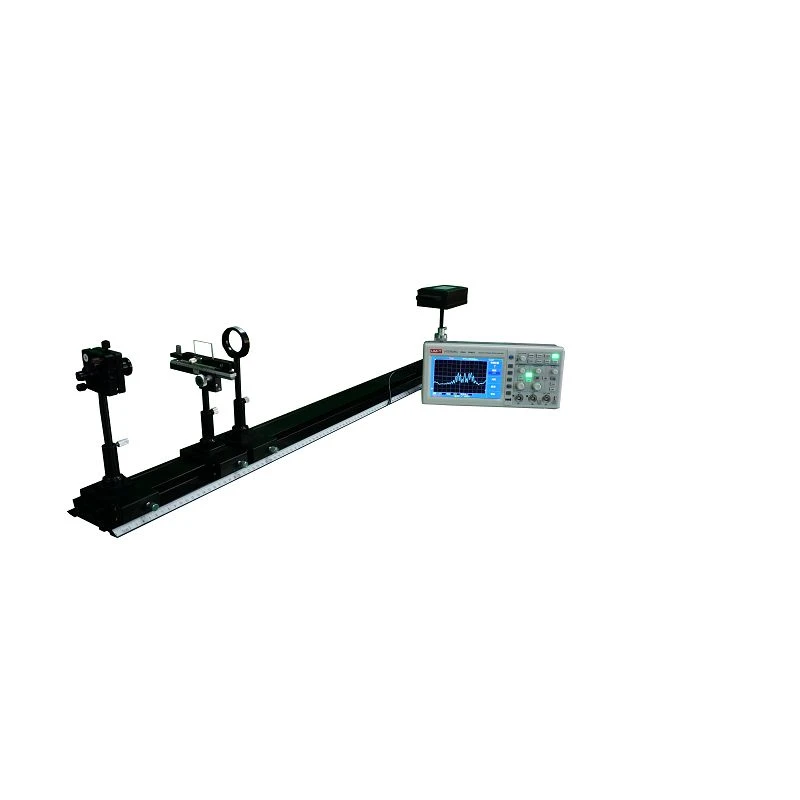
Okay, folks, those are my tips on how to maintain electromagnetic instruments. As a supplier, I really care about the performance and longevity of the instruments I sell. If you follow these tips, you’ll be able to keep your electromagnetic instruments in great condition for a long time.
Auxiliary Equipment If you’re in the market for high – quality electromagnetic instruments or have any questions about maintenance, don’t hesitate to reach out. I’m here to help you make the best choices for your needs.
References
- "Electromagnetic Instrument Handbook" by XYZ Publishing.
- Manufacturer’s manuals of various electromagnetic instruments.
Nanjing Longbow Scientific&Educational Instrument Co., Ltd.
As one of the most professional electromagnetic instruments manufacturers and suppliers in China, we’re featured by quality products and good service. Please rest assured to buy customized electromagnetic instruments from our factory. If you have any enquiry about pricelist, please feel free to email us.
Address: Room D, 22th floor, No.305, North Jiangdong Road, Nanjing,Jiangsu Province, China
E-mail: 79425380@qq.com
WebSite: https://www.lb-physics.com/
