Hey there, food lovers and industry folks alike! Let’s cut to the chase – if you’ve ever picked up a bag of potato chips, a can of soda, a tub of yogurt, or even a jar of pickles, you’ve interacted with acidity regulators. These sneaky little ingredients don’t just make things tangy; they’re the silent players holding your favorite snacks, meals, and drinks together. As a acidity regulators supplier, I get hit with the same question all the time: “Wait, how do these things actually play nice (or not) with all the other stuff in food?” So today, let’s spill the tea – no harsh chemicals, just real talk about how acidity regulators work with other food ingredients, plus some behind-the-scenes insight from someone who’s been in this game for years. Acidity Regulators
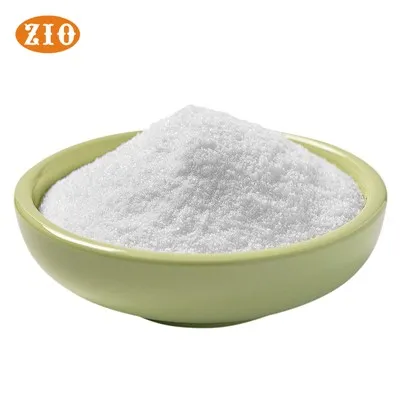
First, let’s do a quick, no-jargon recap of what acidity regulators actually are. They’re substances that tweak, control, or stabilize the pH level of food – basically the measure of how acidic or alkaline something is. Think citric acid (that zing in soda), lactic acid (the tang in yogurt), sodium citrate (the smoothness in processed cheese), or even phosphoric acid (the sharp bite in colas). We’re talking about everything from weak organic acids to mineral salts, and each one has its own vibe. But here’s the big secret: acidity regulators don’t work in a vacuum. They’re mixing with fats, proteins, carbs, preservatives, colors, flavorings – you name it – and that interaction is what makes or breaks a food product.
Let’s start with the most common (and chaotic) partnership: acidity regulators and proteins. Proteins are weird, right? They’re long, curly chains that fold into specific shapes to do their job. pH is like the thermostat for that fold – tweak it too much, and the protein unfolds (denatures) and clumps up. That’s why if you dump a bunch of orange juice (super acidic, full of citric acid) into milk, the milk curdles. The low pH from the acidity regulator throws off the protein structure, making casein (the main protein in milk) stick together. But here’s the catch – not all acidity regulators are the same for proteins. Take yogurt, for example. We use lactic acid or sometimes bacterial fermentation (which creates lactic acid) to lower the pH to around 4.5. That’s exactly the sweet spot where casein coagulates into that creamy, tangy yogurt we love. It’s intentional, not a mistake. Now compare that to processed cheese. You’ve got milk, melted, mixed with sodium citrate – a salt that acts as an acidity regulator. Instead of curdling, the sodium citrate chelates (grabs onto) the calcium in casein, breaking down the protein structure so it melts smoothly and doesn’t separate. That’s a whole different interaction! If we’d used straight citric acid here, we’d get a crumbly mess, not that gooey cheese for mac and cheese. That’s why picking the right acidity regulator is so key – it’s not just about pH, it’s about how it plays with the proteins in your product.
Next up, carbs and acidity regulators. Carbs are the building blocks of bread, pastries, candies, and all the sweet stuff we crave. How do these two get along? Let’s take jams and jellies – everyone’s favorite breakfast spread. To get that set, you need pectin (a carb from fruit) and a specific pH level, usually around 3.0 to 3.5. That’s where citric acid or malic acid come in. At that low pH, pectin molecules link together with sugar to form that gel texture. If the pH is too high (not acidic enough), the gel doesn’t form – your jam stays runny. Too low, and it’s rock-hard or tastes super sour. Then there’s soda – the classic combo of high-fructose corn syrup (a carb) and phosphoric acid or citric acid. The acidity doesn’t just add tang; it balances the sweetness. If you drink a soda with too much sugar and no acidity, it cloyingly sweetens within two sips. The acidity cuts through that, making it drinkable. But here’s a less talked-about part: acidity regulators can affect how carbs brown in baked goods. The Maillard reaction is that super yummy browning we get on bread crusts or cookies. It needs a specific pH – usually slightly acidic to neutral. If you use too much acidity regulator, the pH drops too low, and the Maillard reaction slows down, so your cookies stay pale and boring. I’ve seen that mistake first-hand – a small bakery client tried cutting costs by adding extra citric acid to their sugar cookies, and they came out looking like plain biscuits. That’s the kind of real-world stuff we deal with every day, not just textbook science.
Now, let’s talk about fats and acidity regulators. Fats are the smooth, mouth-feel guys in ice cream, chocolate, salad dressings, and sauces. Acidity regulators and fats – this is where things can go wrong if you don’t know what you’re doing. Emulsions, like mayo or salad dressing, are water and fat mixed together, which don’t want to stay mixed. Acidity regulators help stabilize these emulsions by changing the charge of the water molecules, so they bind better with the fat. Take mayo, for example. You need a small amount of lemon juice (citric acid) or vinegar (acetic acid) to keep the oil from separating out. The acidity lowers the pH, which helps the egg yolk proteins (the emulsifier here) link to both water and oil. No acidity, and your mayo breaks into a oily mess before you even put it in the fridge. Another example: chocolate. Cocoa butter is the fat in chocolate, and it’s super sensitive to pH. If the cocoa powder used has a high pH (alkaline, like Dutch-processed cocoa), adding an acidity regulator can balance it out, making the chocolate melt smoothly without that waxy, chalky taste. But get this – too much acidity in chocolate can make the fat crystals rearrange, leading to bloom – that white, dusty stuff on old chocolate bars. I’ve had clients send back batches of chocolate because of bloom, and more often than not, it’s a case of too much acidity regulator messing with the fat crystal structure. That’s the kind of problem we help them fix, not just sell them a product.
Let’s not forget preservatives and colors – two more ingredients that rely heavily on acidity regulators. Preservatives like benzoic acid or sorbic acid only work when the pH is low. Benzoic acid, for example, is most effective in acidic conditions (below pH 4.5), which is why you see it in pickles, sodas, and fruit juices. If the pH is too high, the preservative can’t kill bacteria or mold, so your product goes bad faster. That’s a big one for food safety – acidity regulators aren’t just for taste or texture, they’re a key part of keeping products shelf-stable. Then there are food colors. Natural colors, like anthocyanins (found in berries) or betanin (from beets), are pH-sensitive. Anthocyanins turn red in acidic conditions, purple at neutral, and blue at alkaline. So if you’re making a pink lemonade, you use citric acid to lower the pH, and the berry color stays bright pink. Use too much, and it turns a weird, neon red. Too little, and it fades to purple. Artificial colors are more stable, but even they can be affected by acidity – some might fade or change hue if the pH is off. Last year, we worked with a client making a natural iced tea that used beet juice for color. They were using malic acid as an acidity regulator, but it was making the beet color turn brown. We suggested switching to citric acid, which was gentler on betanin at the same pH, and they fixed their color issue. That’s the kind of tailored advice we give our clients – it’s not one-size-fits-all.
Now, let’s get real about the tricky parts – when acidity regulators don’t play nice with other ingredients. It’s not always smooth sailing. For example, if you add too much acidity regulator to a product with high calcium content, like milk or spinach, you can form insoluble salts. Calcium citrate or calcium lactate, for example, don’t dissolve in water, so they make the product taste gritty or leave a weird aftertaste. I had a client making a calcium-fortified orange juice a few years back – they added extra citric acid to make it tangy, and it ended up with a chalky texture because the calcium and citric acid reacted. We worked with them to adjust the amount of acidity regulator and add a chelating agent to keep the calcium dissolved, and they got the smooth, tangy juice they wanted. Another issue: flavor compounds. Some natural flavors are volatile, meaning they evaporate easily when pH is low. For example, citrus flavors – the stuff that makes orange juice taste like orange – can break down at very low pH, leading to a flat, bland taste. That’s why manufacturers often add extra flavor when they adjust pH with acidity regulators, or use pH-stabilized flavor compounds. It’s a balancing act.
So what does all this mean for manufacturers? It’s not just about picking an acidity regulator that’s cheap or gives you the right pH. It’s about understanding how it interacts with every other ingredient in your formula – proteins, carbs, fats, preservatives, colors, flavors. That’s why as an acidity regulators supplier, we don’t just send out a bag of powder and dip. We work with our clients to test, adjust, and find the right combination for their specific product. We’ve got a lab team that can run small-batch tests to see how our regulators interact with their exact ingredients, whether that’s a craft soda with real cane sugar, a plant-based yogurt with pea protein, or a artisanal jam with wild berries. We know that a supplier isn’t just a vendor – we’re a partner in making a product that tastes great, lasts, and doesn’t have texture or flavor issues.
Let’s wrap this up with a quick takeaway, because I know you’ve got a million other things to do. Acidity regulators are way more than tang. They’re texture stabilizers, preservative helpers, color protectors, and flavor balancers. Their interactions with other food ingredients are what make your favorite products work, whether you realize it or not. The next time you take a sip of yogurt, bite into a cheese stick, or spread jam on toast, remember – there’s a whole science (and a lot of trial and error) behind how that acidity regulator plays nice with everything else.
If you’re a food manufacturer, a baker, a beverage maker, or anyone working with food formulas and wanting to fix a texture issue, balance flavor, or just get the right acidity regulator for your product, we’re here to help. We don’t do one-size-fits-all, we do tailored solutions that work with your specific ingredients. Reach out to us to chat through your formula – no sales pitch, just real advice from people who know this stuff inside and out.
Food Additives References
- Fennema, O. R. (2008). Food Chemistry (4th ed.). CRC Press.
- Labuza, T. P. (1984). Water Activity and Its Effect on Food Quality. Food Technology.
- Belitz, H. D., Grosch, W., & Schieberle, P. (2009). Food Chemistry (4th ed.). Springer.
- Kristensen, D., & others. (2011). Interactions between food acids and macromolecules. Trends in Food Science & Technology.
- Coultate, T. P. (2015). Food: The Chemistry of Its Components (6th ed.). Royal Society of Chemistry.
Guangzhou ZIO Chemical Co., Ltd.
As one of the most professional acidity regulators manufacturers and suppliers in China, our products have good reputation in the market. With abundant experience, we warmly welcome you to buy bulk acidity regulators for sale here and get free sample from our factory. For price consultation, contact us.
Address: 5th Floor, Building 1A, Runnong Business Center, No.2 Huangcun Road, Dongpu Town, Tianhe District, Guangzhou
E-mail: alice.liu@gzzio.com
WebSite: https://www.zio-ingredients.com/
