When it comes to the production of automotive and EV stamping parts, the choice and requirements of stamping equipment are crucial for a supplier like me. Over the years, as I’ve navigated the world of automotive and EV stamping parts production, I’ve come to understand the significance of top – notch stamping equipment. Here, I’ll share the key requirements that I look for in stamping equipment for our production line. Automotive & EV Stamping Parts
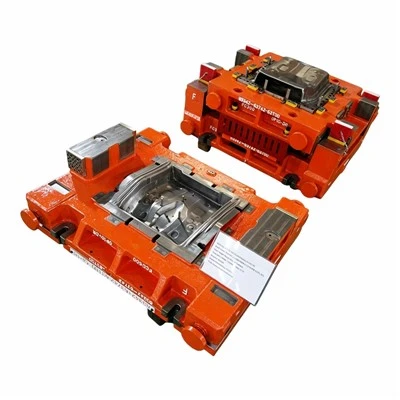
Precision and Accuracy
One of the most fundamental requirements for stamping equipment in the automotive and EV industries is precision and accuracy. Automotive parts demand extremely tight tolerances, often in the range of micrometers. For example, engine components, transmission parts, and structural elements in both traditional vehicles and EVs need to fit together perfectly. A deviation even as small as a few thousandths of an inch can lead to significant performance issues or even safety hazards.
High – precision stamping equipment ensures that each part is produced to the exact specifications provided by the vehicle manufacturers. This involves accurate control of the die movement, the force applied during stamping, and the alignment of the material. Advanced servo – controlled systems are being increasingly used in modern stamping presses. These systems can precisely control the speed, position, and force of the ram, allowing for highly accurate stamping operations.
High – Speed Production
In the automotive and EV industries, mass production is the norm. To meet the high demand from vehicle manufacturers, stamping equipment needs to be capable of high – speed production. High – speed stamping not only increases the output but also reduces the production cost per part.
Modern stamping presses can achieve extremely high stroke rates, sometimes up to several hundred strokes per minute. This is made possible by advanced mechanical designs, optimized drive systems, and reliable control algorithms. However, achieving high – speed production without sacrificing quality is a challenge. The stamping equipment needs to maintain stability and precision even at high speeds. This requires a combination of robust mechanical construction, efficient lubrication systems, and real – time monitoring and control.
Flexibility
The automotive and EV markets are constantly evolving. New vehicle models are released regularly, each with its own unique set of stamping parts requirements. As a stamping parts supplier, I need stamping equipment that can adapt to these changes quickly and easily.
Flexibility in stamping equipment can be achieved in several ways. Firstly, the equipment should support quick die changes. This allows for rapid switchover between different part production runs. Quick – die – change systems can reduce the downtime between production batches, significantly increasing the overall productivity of the stamping line.
Secondly, the stamping equipment should be able to handle a variety of materials. Automotive and EV stamping parts are made from different types of metals, such as steel, aluminum, and sometimes even composite materials. Each material has its own unique characteristics, such as hardness, ductility, and formability. The stamping equipment needs to be able to adjust its parameters, such as the stamping force and the speed, to accommodate these different materials.
Durability and Reliability
Stamping equipment operates under harsh conditions, with high forces and continuous stress. Therefore, durability and reliability are essential requirements. A breakdown in the stamping equipment can lead to production delays, increased costs, and damage to customer relationships.
The stamping press should be built with high – quality materials and robust construction. The frame of the press needs to be able to withstand the high forces generated during stamping without deformation. Components such as the crankshaft, connecting rods, and bearings need to be made of high – strength alloys and have good wear resistance.
Regular maintenance is also crucial for ensuring the reliability of the stamping equipment. However, even with proper maintenance, the equipment should have a long service life and be able to operate continuously for extended periods without major failures. In addition, the stamping equipment should have reliable safety features to protect the operators and the equipment itself from accidents.
Automation and Integration
Automation has become an increasingly important aspect of modern automotive and EV stamping parts production. Automated stamping lines can improve productivity, reduce labor costs, and enhance the quality of the parts.
Stamping equipment should be able to integrate with other automation systems, such as material handling systems, robotic arms, and quality inspection systems. For example, a fully automated stamping line may include a robotic feeder to load the raw material into the press, a transfer system to move the part between different stations in the press, and an automated quality inspection system to check the dimension and surface quality of the stamped parts.
Integrating different automation systems requires seamless communication and coordination between the stamping equipment and the other components of the production line. This can be achieved through the use of standardized communication protocols and advanced control software.
Energy Efficiency
In today’s world, energy efficiency is a major concern for all industries, including the automotive and EV stamping parts production. Energy – efficient stamping equipment not only reduces the operating costs but also helps to minimize the environmental impact.
Modern stamping presses are designed with energy – saving features. For example, some presses use variable – frequency drives to adjust the motor speed according to the actual load requirements. This can significantly reduce the energy consumption during idle or low – load periods. In addition, regenerative braking systems can be used to recover the energy generated during the deceleration of the press ram and reuse it in the next cycle.
Quality Control and Monitoring
Ensuring the quality of the stamped parts is of utmost importance in the automotive and EV industries. The stamping equipment should be equipped with advanced quality control and monitoring systems.
These systems can include sensors to measure the stamping force, the position of the ram, and the temperature of the die. Real – time data from these sensors can be used to detect any potential issues during the stamping process, such as abnormal force fluctuations or excessive die wear. If an issue is detected, the system can automatically adjust the stamping parameters or stop the production line to prevent the production of defective parts.
In addition, non – destructive testing methods, such as ultrasonic testing and magnetic particle testing, can be integrated into the stamping equipment to inspect the internal quality of the stamped parts.
Conclusion
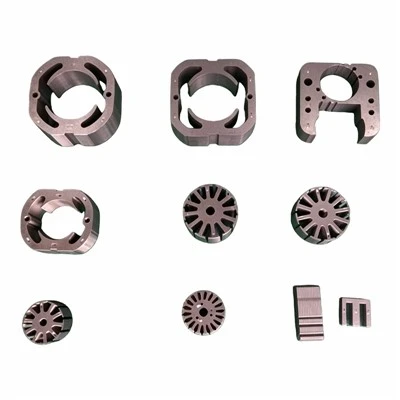
As a supplier of automotive and EV stamping parts, I understand that the choice of stamping equipment can have a profound impact on the quality, productivity, and competitiveness of my business. The requirements for stamping equipment in this industry are multi – faceted, encompassing precision, high – speed production, flexibility, durability, automation, energy efficiency, and quality control.
Metal Stamping Dies If you are in the automotive or EV industry and are looking for a reliable stamping parts supplier, I’d be more than happy to discuss your specific needs. By investing in the right stamping equipment and continuously improving our production processes, we can provide you with high – quality stamping parts that meet your exact requirements.
References
- Smith, J. (2020). Automotive Stamping Technology: A Comprehensive Guide. Automotive Engineering Press.
- Johnson, M. (2021). Electric Vehicle Manufacturing and Stamping Processes. EV Industry Journal.
- Brown, R. (2019). Precision Stamping for Automotive Applications. Manufacturing Today.
Dongguan Changdong Tool & Die Co., Ltd.
With abundant experience, we are one of the most reliable automotive & ev stamping parts manufacturers and suppliers in China. Please feel free to buy advanced automotive & ev stamping parts made in China here from our factory. Good service and quality products are available.
Address: No. 56-B, Fumin South Road, Dalang Town, Dongguan City, Guangdong Province, China
E-mail: sales@stamping-die.com
WebSite: https://www.metalstampingdie.com/
