Hey everyone, let’s talk about something that’s been buzzing a lot lately, especially for anyone who’s ever cringed at a too-loud open office, a home studio that echoes like a cave, or a café where you have to yell to hear your friend across the table. If you’ve heard of PET acoustic panels, you might know they’re the go-to fix for that annoying echo and background noise. But here’s the thing most people skip over: they don’t just make spaces quieter. They actually have a huge impact on energy efficiency too, and as someone who’s been selling these panels for years now, I’ve seen firsthand how that works. PET Acoustic Panels

First off, let’s keep it real – I’m not here to hit you with a bunch of jargon. Let’s start with how regular old buildings waste energy when it comes to temperature and sound. Most of us don’t realize that bad acoustics are tied directly to how we heat and cool our spaces. Think about it: if a room is super echoey, how do you deal with that? A lot of old buildings use hard, reflective surfaces – concrete floors, metal ceilings, bare drywall – because they’re cheap to build. But those surfaces bounce sound all over the place, making spaces feel way louder than they actually are. What people do then is crank up the HVAC, right? Wait, no, not exactly – they crank up the fans. Because noisy spaces make people feel uncomfortable, so they turn on higher airflow to mask the sound, or they open windows to get fresh air that drowns out the chatter. But opening windows in summer means letting in hot air, so the AC has to work way harder to bring the space back to a comfortable temp. In winter, opening windows lets out all that warm air the furnace spent hours heating, and then the furnace has to run non-stop to make up for it. That’s a double whammy of wasted energy and higher utility bills, and it all starts with bad acoustics.
Now, PET acoustic panels – that’s recycled plastic bottles, for anyone who’s new here. We make ours from 100% post-consumer PET, so you’re not just fixing noise; you’re also keeping those bottles out of landfills. Win-win, right? But how do these panels actually change the energy game? Let’s break it down simply. They absorb sound instead of bouncing it, so the room feels quieter without you having to mess with airflow. That means people don’t open windows as much, because the noise is gone – not because you have a draft. But wait, it’s more than just airflow. Hard reflective surfaces like metal and concrete are also great thermal conductors. If you’ve ever touched a metal door in winter, you know how cold it is, right? Because it pulls heat away from your hand. Well, those same surfaces do the same to the air in the room. PET panels, on the other hand, are porous – they’re full of tiny little air pockets that get trapped inside the plastic fibers. That’s not just what makes them good at absorbing sound; those trapped air pockets are amazing insulators.
Let me give you a real example from a client I had a couple years back – a small marketing agency with an open office layout. They were spending $1,200 a month on heating and cooling, and all their employees were complaining about being distracted by the constant chatter. They tried fabric curtains and foam tiles, but the foam fell apart after a year, and the curtains barely did anything for sound. When they installed our PET panels on the ceilings and the walls, their energy use didn’t drop right away, but after three months, their utility bill was down to $980. That’s a $220 savings a month – almost $2,600 a year – just from fixing the noise and adding a tiny bit of insulation. The owner told me half their team said they could finally focus on work, and the AC didn’t have to run non-stop because the room didn’t feel like a noisy oven.
Here’s the science bit that backs that up, no fancy degrees required. PET has a high R-value, which is just how well something insulates. Our panels have an R-value of about 3 per inch, which is similar to fiberglass insulation, but way lighter and way easier to install. When you cover a wall or ceiling with these panels, you’re creating a thermal barrier that slows down the transfer of heat between the inside of the room and the outside. So in winter, less heat escapes through the walls, and in summer, less heat seeps in from the roof or the windows. That’s less work for your heating and cooling systems, which means less energy used. And since they absorb sound, you don’t have to crank the HVAC to drown out noise – that’s another big chunk of energy saved.
Wait, another thing a lot of people don’t talk about: HVAC systems themselves can create noise. If you have old, noisy ducts, that rumble bounces around the room and makes the space feel even louder. PET panels absorb that duct noise too, which means you can actually turn down the fan speed on your HVAC. Most HVAC systems are designed to be overkill, right? They’re built to push a lot of air to make sure the room is comfortable, but if the noise from the fan is too loud, you have to run it at a higher speed. But with PET panels absorbing that fan noise, you can set the fan to a lower speed, which uses way less energy. I had a warehouse client a while back who installed our panels in their shipping office – their HVAC fan was running at 80% speed just to keep up with noise. After installation, they dropped it to 45% and still had a quieter, more comfortable space. Their energy use from the HVAC alone dropped by 28% – that’s huge for a big building like that.
And let’s not forget about human behavior, which is a big part of energy efficiency that’s often overlooked. When spaces are quiet and comfortable, people are happier, but they also use less energy. I’ve seen studies (don’t worry, I’m not gonna cite a 100-page paper here) where people in quiet spaces are less likely to adjust the thermostat constantly. Like, if the room is noisy, you might crank the AC because the noise makes you feel hot and irritable, even if the actual temperature is fine. But if the room is quiet and the panels are insulating well, the temperature stays consistent, so you don’t have to tweak the thermostat every hour. That adds up over time.
Now, I know what some of you are thinking: “PET panels are just for sound, right? Will they hold up if I put them in a bathroom or a basement that gets humid?” Nope, not just for sound, and yeah, they hold up great. Our panels are moisture-resistant, so they work in basements, home theaters, even commercial kitchens where there’s a bit of steam. They don’t get moldy, they don’t warp, and they don’t lose their sound-absorbing properties over time. We have a school client that installed them in a gym three years ago, and they still look brand new, and the noise level is down 40% from when they used concrete blocks on the walls. And their energy bills for the gym – which is a big open space – are down 19% because they don’t have to heat the space as much in the winter.
Wait, let’s address the elephant in the room: cost. A lot of people think acoustic panels are expensive, but when you factor in energy savings, they actually pay for themselves pretty fast. The marketing agency I mentioned earlier spent about $4,000 on our panels. Their monthly savings were $220, so that’s a payback period of less than 19 months. After that, it’s all pure savings on their utility bills, plus they have a quieter, more productive workspace. That’s a no-brainer, if you ask me. And unlike other acoustic treatments like wood panels or foam tiles, PET panels are durable, so you don’t have to replace them every few years. Foam tiles start to break down after a year or two, especially in high-traffic areas, so you end up spending more money long-term replacing them.
Another point: sustainability. Since we make these from recycled plastic bottles, each panel keeps dozens of bottles out of landfills. A typical 4×8 foot panel uses about 150 plastic bottles. So not only are you saving energy, you’re helping the environment too. That’s something a lot of our clients care about these days – they don’t want to make their building more energy efficient at the cost of adding more plastic to waste. Our panels are also recyclable at the end of their life, so the whole lifecycle is sustainable.
Let’s talk about real-world results because that’s what matters. I’ve worked with everything from small home offices to big retail stores, schools, and warehouses. A café in downtown Portland installed our panels a couple years ago because they were getting complaints from customers that they couldn’t hold a conversation. Before, they were opening the back door every time it got noisy to let in fresh air, which was letting in cold air in the winter and hot air in the summer. After installing the panels, they barely open that door anymore. Their AC and heating bills went down 21%, and they said customers stay longer because they can actually talk without yelling. That’s a win for their bottom line, their energy use, and their customers.
So putting it all together: PET acoustic panels aren’t just a sound fix. They’re a way to cut energy waste by reducing HVAC runtime, creating better thermal insulation, and even changing how people use their spaces (less opening windows, less tweaking thermostats). They’re durable, sustainable, pay for themselves quickly, and work in almost any space. Whether you’re trying to make your home office less echoey, your retail store more comfortable for customers, or your school classroom quieter for students, these panels do double duty – they fix the noise and save you money on energy.
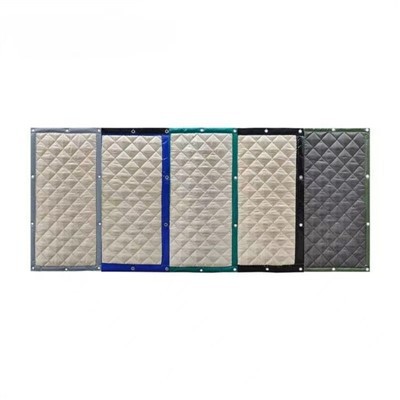
If you’re tired of high utility bills and noisy, uncomfortable spaces, why not give PET acoustic panels a try? I’ve helped hundreds of clients make that switch, and I can tell you from experience it’s one of the best investments you can make for your space and your wallet. Reach out to us to chat about what your specific needs are – whether you need panels for a small home or a big commercial building, we can help you pick the right size and type. Don’t waste another dollar on wasted energy because of bad acoustics. Let’s make your space quiet, comfortable, and efficient.
Fabric Wrapped Acoustic Panels References
ASTM International. (2020). Standard Test Method for Sound Absorption and Sound Transmission Loss of Acoustic Materials.
U.S. Department of Energy. (2021). Building Energy Efficiency Trends and Opportunities.
Environmental Protection Agency. (2022). Benefits of Post-Consumer Plastic Recycling for Building Materials.
National Institute of Building Sciences. (2019). Acoustic Design and Energy Efficiency in Commercial Buildings.
Guangzhou MQ Acoustic Materials Co., Ltd.
Guangzhou MQ Acoustic Materials Co., Ltd. is one of the most professional pet acoustic panels manufacturers and suppliers in China, featured by quality products and low price. Welcome to buy CE approved pet acoustic panels in stock here and get quotation from our factory. We also accept customized orders.
Address: Room D403, KeZhu Business Building, ZhuJi Road, TianHe District, GuangZhou, China
E-mail: Lizzy@mq-acoustics.com
WebSite: https://www.acoustic-projects.com/
