Hey there, let’s cut to the chase: when it comes to interior decor, solid wood boards get tossed around a lot, but as a solid wood board supplier, I see so many people on the fence about whether they’re actually worth the hype. I get it—there’s laminate, MDF, veneers, all that stuff that’s cheaper upfront and looks similar. But I’ve been doing this long enough (no, I won’t say “decades” to sound fancy, but way longer than I thought I’d be hauling boards to job sites) to know solid wood isn’t just a trend. Let’s break this down like I chat with contractors and homeowners every day, no stuffy jargon. Solid Wood Board
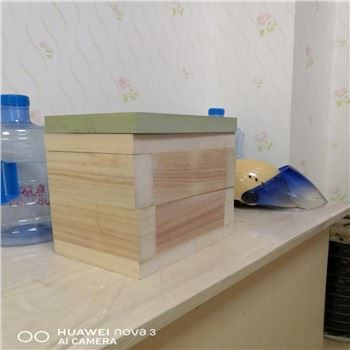
First, let’s start with the big one: quality that actually lasts. I’ve seen cabinets from 100 years ago made with solid oak that still looks sharp—no warping, no chipping, just a little patina that makes it cooler. Compare that to MDF cabinets I installed 5 years back that already bow in the middle. Solid wood’s real, dense structure means it can handle scratches, dents, and even temperature swings way better than engineered options. Wait, but don’t get me wrong—no wood is indestructible. If you’re slamming a sledgehammer on it, yeah, it’ll get damaged. But for regular home use (kids dragging chairs, mugs slipping, pets scratching), it holds up way more than any laminate I’ve worked with. I’ve had a customer use solid pine boards for their basement built-ins, and even with the humidity down there, it didn’t warp like the particleboard they tried first. That’s not luck—solid wood’s inherent stability, when properly milled, beats engineered stuff hands down.
Next up: sustainability, which is a huge topic right now. A lot of folks think “wood = bad for the planet,” but it’s not that simple. Responsibly sourced solid wood—you know, from forests that replant every tree they cut—actually stores carbon. Unlike vinyl or plastic materials that take forever to decompose, solid wood will break down naturally, and if you’re reusing it (hello, upcycled furniture), it can keep that carbon locked up for decades. As a supplier, I only work with mills that follow FSC rules—no clear-cutting, no old-growth deforestation. Way better than MDF, which is made from wood fibers glued together with formaldehyde (yep, that chemical you don’t want floating around your house). Wait, some MDF is formaldehyde-free, but most cheaper stuff has it. Solid wood, when it’s finished with non-toxic oils or water-based stains, doesn’t off-gas all that junk. That’s a big win for people with kids or allergies—no weird chemical smells lingering for weeks after installation.
But let’s talk about the downsides, because I’m not gonna sugarcoat it. Solid wood is pricier upfront. Like, way pricier than laminate. A 4×8 sheet of solid maple might run $150+, while a similar laminate sheet is $50. Also, it needs a little more care. You can’t spill red wine on it and wipe it up and forget about it—you need to reapply a sealant every few years, especially in high-moisture areas like bathrooms or kitchens. Oh, and it can expand and contract with humidity—if your house is super dry in winter, it might shrink a little, and if it’s humid in summer, it swells. But that’s not a flaw, that’s just wood being wood—engineered products have to add extra materials to counter that, which can have their own issues. For example, laminated countertops might bubble if the adhesive breaks down, but solid wood just needs a little adjustment, not a full replacement.
Wait, let’s get specific about uses, because that matters. Solid wood works for so much more than just furniture. I’ve supplied boards for hardwood floors, wall paneling, cabinet frames, even headboards. For flooring, it’s unbeatable—you can sand and refinish it multiple times, so if you scratch it, you don’t have to rip the whole floor up. Laminate flooring can’t be refinished, so after a few scuffs, you’re buying new. For wall paneling, solid wood adds warmth that no drywall and paint can match. I did a tiny apartment project last year where the client used solid reclaimed barn wood for accent walls, and it was the talk of every housewarming—way better than the $20 laminate panels they were eyeing at the big box store.
A lot of people ask me: “Is solid wood worth the extra cash?” Let’s do the math. Yeah, upfront it’s more, but it lasts way longer. If you spend $1000 on solid wood cabinets, they’ll last 20+ years. Spend $500 on MDF cabinets, and you’ll need to replace them in 5-7 years—so that’s $1500 over the same time, plus installation costs twice. That’s a no-brainer for people planning to stay in their home long-term. If you’re flipping a house and need something cheap to resell, maybe not—but even then, buyers are willing to pay more for solid wood finishes. I had a realtor client tell me that homes with solid wood kitchen features sell for 10-15% more than similar homes with laminate. That’s a big return.
But wait, what about veneer? A lot of people mix up solid wood and veneer. Veneer is a thin slice of real wood glued to particleboard or MDF. It looks like solid wood, but it’s not. If you scratch veneer, you hit the particleboard underneath, which is messy and can’t be fixed. Solid wood is solid all the way through—if you scratch it, you can sand that scratch out. That’s a huge difference. I see so many customers regret choosing veneer because it looks great at first, but after a year, it starts peeling or chipping. Solid wood doesn’t do that (as long as it’s installed right).
Now, let’s address the myths. I hear all the time: “Solid wood is too heavy for walls.” Yeah, it’s heavier than drywall, but if you use proper studs, it’s totally fine. I’ve installed solid pine wall panels in 2-story homes with no issues. Another myth: “All solid wood is the same.” Nope. Pine is soft, affordable, great for decor pieces. Oak is dense, durable, perfect for flooring. Walnut is beautiful, more expensive, good for high-end furniture. You can pick the type that fits your budget and needs.
As a supplier, I work with customers on all levels—from DIY homeowners doing a small accent wall to big contractors building custom homes. A lot of DIYers are scared of working with solid wood because they think it’s hard to cut or install. But modern tools make it way easier than it used to be. I give free tips to anyone who buys from me—like using a circular saw with a fine blade to get clean cuts, or sealing the edges if you’re using it for cabinets. No need to hire a fancy carpenter unless you want to.
Wait, but let’s not ignore the cons for small spaces. If you have a tiny apartment and are on a super tight budget, solid wood might not be the best fit right now. It’s not the most space-saving option, and the upfront cost can stretch your budget too thin. But if you’re renovating a space you plan to live in for 10+ years, it’s a smart investment. Also, if you pick lighter woods like pine or ash, they can make a small space feel brighter, not heavier.
Sustainability angle again—because I know that’s a big deal for a lot of you. When you buy solid wood from a responsible supplier, you’re not just getting a material, you’re supporting forests that are managed for long-term health. Unlike synthetic materials, which are made from non-renewable resources, wood is a renewable resource (as long as it’s sourced correctly). I actually have a few customers who buy reclaimed solid wood from me—old barns, factories, even shipping pallets that were once discarded. That’s the ultimate sustainable choice—you’re giving old wood a new life, and it has that unique character that you can’t get from new wood.
Let me wrap this up. Solid wood boards aren’t a one-size-fits-all, but for most interior decor projects, they’re a way better choice than engineered options. They last longer, look better, are healthier for your home, and can even save you money in the long run. Yeah, they need a little more care, and they’re pricier upfront, but that’s the trade-off for quality that stands the test of time.

If you’re thinking about using solid wood for your next project—whether it’s flooring, cabinets, accent walls, whatever—hit me up. I can give you samples, help you pick the right type of wood for your budget, and walk you through all the details. No pushy sales stuff, just straight answers from someone who’s been in this game for a minute. Don’t settle for something that’ll need replacing in a few years—go with something that’ll make your space feel like yours for decades.
Paulownia Wood Board References:
- Forest Stewardship Council (FSC). 2023. “Sustainability in Wood Products.”
- Wood Database. 2024. “Solid Wood vs. Engineered Wood: Durability and Maintenance.”
- National Association of Home Builders (NAHB). 2022. “Material Choices for Long-Term Home Value.”
Cao County Hengyu Woods Co., Ltd.
Cao County Hengyu Woods Co., Ltd. is one of the leading solid wood board manufacturers and suppliers in China. We warmly welcome you to wholesale customized solid wood board at low price from our factory. Good service and cheap products are available. For free sample, contact us now.
Address: Cao County, Heze City, Shandong Province, China
E-mail: anna@hengyuwood.com
WebSite: https://www.hengyuwooden.com/
