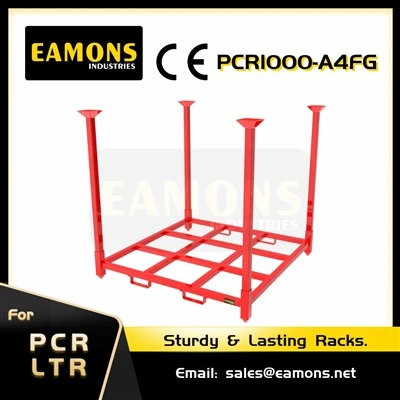
Effective inventory management is crucial for any business, and as a stillage supplier, I understand the challenges and opportunities that come with it. Stillages, which are essential for storage, handling, and transportation of goods, require a well – thought – out inventory management strategy to ensure smooth operations, customer satisfaction, and profitability. Stillages
Understanding the Basics of Stillage Inventory
To manage stillage inventory efficiently, it’s important to start with a clear understanding of what stillages are and the different types available. Stillages come in various shapes, sizes, and materials, such as steel, plastic, and wood. Each type has its own unique characteristics, usage scenarios, and market demands.
For example, steel stillages are known for their durability and strength, making them suitable for heavy – duty applications in industries like automotive and manufacturing. Plastic stillages, on the other hand, are lightweight, corrosion – resistant, and often used in the food and pharmaceutical industries. Wood stillages are cost – effective and can be used in a variety of general – purpose applications.
By knowing the features and target markets of different stillage types, we can better anticipate customer needs and plan our inventory accordingly. This involves analyzing historical sales data, market trends, and customer feedback to determine which stillages are in high demand and which ones may need to be phased out or adjusted.
Setting Up an Inventory Management System
A reliable inventory management system is the backbone of effective stillage inventory management. It allows us to track inventory levels, monitor stock movements, and generate reports for decision – making. There are several options available, ranging from simple spreadsheets to advanced software solutions.
Spreadsheet – Based Systems
For small – scale stillage suppliers or those just starting out, a spreadsheet – based system can be a cost – effective option. Programs like Microsoft Excel or Google Sheets can be used to create basic inventory lists, record incoming and outgoing stock, and calculate reorder points. However, spreadsheets have limitations, such as the potential for human error, difficulty in handling large amounts of data, and lack of real – time updates.
Inventory Management Software
As the business grows, investing in dedicated inventory management software becomes more practical. These systems offer features such as barcode scanning, real – time inventory tracking, automated reordering, and integration with other business processes like sales and purchasing. They can also generate detailed reports on inventory turnover, stock aging, and profitability, providing valuable insights for strategic decision – making.
When choosing inventory management software, it’s important to consider factors such as ease of use, scalability, cost, and compatibility with existing systems. Some popular inventory management software options for stillage suppliers include Fishbowl Inventory, Zoho Inventory, and QuickBooks Commerce.
Determining Optimal Inventory Levels
One of the key challenges in stillage inventory management is striking the right balance between having enough stock to meet customer demand and avoiding overstocking. Overstocking can tie up capital, increase storage costs, and lead to obsolete inventory, while understocking can result in lost sales and dissatisfied customers.
Calculating Reorder Points
To determine the optimal inventory levels, we need to calculate reorder points. The reorder point is the inventory level at which a new order should be placed to replenish stock before it runs out. It can be calculated using the following formula:
Reorder Point = (Average Daily Usage x Lead Time) + Safety Stock
The average daily usage is the average number of stillages sold per day, which can be calculated based on historical sales data. The lead time is the time it takes from placing an order with the supplier to receiving the goods. The safety stock is an additional buffer of inventory to account for unexpected fluctuations in demand or delays in the supply chain.
Safety Stock Considerations
Determining the appropriate amount of safety stock is crucial. It depends on factors such as the variability of demand, the reliability of the supply chain, and the cost of stockouts. For example, if our stillages are used in industries with high demand volatility, we may need to maintain a higher level of safety stock. On the other hand, if our suppliers are highly reliable and have a short lead time, we can reduce the safety stock.
Forecasting Demand
Accurate demand forecasting is essential for effective stillage inventory management. By predicting future customer demand, we can plan our production, purchasing, and inventory levels more effectively. There are several methods for forecasting demand, including qualitative and quantitative approaches.
Qualitative Methods
Qualitative methods rely on expert opinions, market research, and customer feedback. For example, we can conduct surveys with our existing customers to understand their future stillage needs, or we can consult industry experts to get insights into market trends. These methods are particularly useful when there is limited historical data or when the market is subject to significant changes.
Quantitative Methods
Quantitative methods use historical data and statistical techniques to forecast demand. Some common quantitative forecasting methods include time – series analysis, regression analysis, and moving averages. For example, time – series analysis can be used to identify patterns and trends in historical sales data, such as seasonal fluctuations or long – term growth trends.
Combining both qualitative and quantitative methods can often lead to more accurate demand forecasts. By regularly reviewing and updating our demand forecasts, we can adjust our inventory levels in a timely manner and respond to changes in the market.
Managing Inventory Turnover
Inventory turnover is a key metric in stillage inventory management. It measures how quickly we sell and replace our inventory over a given period. A high inventory turnover ratio indicates that we are selling our stillages quickly and efficiently, while a low ratio may suggest overstocking or slow – moving inventory.
Improving Inventory Turnover
To improve inventory turnover, we can take several steps. First, we can optimize our product mix by focusing on the most popular and profitable stillage types. This may involve discontinuing slow – moving products or introducing new products that are in high demand.
Second, we can improve our marketing and sales efforts to increase the demand for our stillages. This can include promoting our products through various channels, offering discounts and incentives, and providing excellent customer service.
Finally, we can work closely with our suppliers to reduce lead times and improve the reliability of our supply chain. By having a more responsive supply chain, we can avoid overstocking and ensure that we have the right amount of inventory at the right time.
Warehousing and Storage
Proper warehousing and storage are also important aspects of stillage inventory management. Stillages need to be stored in a way that maximizes space utilization, protects the products from damage, and allows for easy access and retrieval.
Warehouse Layout
When designing the warehouse layout, we should consider factors such as the size and shape of the stillages, the frequency of access, and the flow of materials. For example, high – turnover stillages should be stored in easily accessible locations near the shipping area, while slow – moving or larger stillages can be stored in less accessible areas.
Storage Equipment
Using the right storage equipment can also improve the efficiency of warehousing and storage. For example, racking systems can be used to store stillages vertically, maximizing the use of floor space. Palletizers and conveyors can be used to automate the movement of stillages, reducing labor costs and improving productivity.
Supplier Management
As a stillage supplier, we also need to manage our relationships with our own suppliers effectively. A reliable supply chain is essential for maintaining optimal inventory levels and ensuring customer satisfaction.
Supplier Selection
When selecting suppliers, we should consider factors such as quality, price, reliability, and lead time. We should look for suppliers who can provide high – quality stillage components or finished products at competitive prices, with a reputation for on – time delivery.
Collaboration with Suppliers
Building strong relationships with our suppliers can also lead to better inventory management. We can work with them to develop joint forecasting and replenishment plans, share information on inventory levels and demand, and negotiate favorable terms and conditions. For example, some suppliers may be willing to offer consignment inventory arrangements, where we only pay for the stillages when they are sold.
Continuous Improvement
Inventory management is an ongoing process, and there is always room for improvement. We should regularly review and analyze our inventory management practices, identify areas for improvement, and implement changes as needed.
Key Performance Indicators (KPIs)
To measure the effectiveness of our inventory management, we can use key performance indicators (KPIs) such as inventory turnover, stock accuracy, order fulfillment rate, and carrying cost of inventory. By monitoring these KPIs over time, we can track our progress and make data – driven decisions.
Employee Training
Investing in employee training is also important for continuous improvement. Our employees should be well – trained in inventory management best practices, including how to use the inventory management system, how to handle and store stillages properly, and how to identify and address inventory issues.
Conclusion
Effective stillage inventory management is a complex but essential task for any stillage supplier. By understanding the basics of stillage inventory, setting up a reliable inventory management system, determining optimal inventory levels, forecasting demand, managing inventory turnover, taking care of warehousing and storage, managing suppliers, and continuously improving our practices, we can ensure that we have the right stillages in stock at the right time, meet customer demand, and maximize profitability.

If you are interested in purchasing stillages for your business, we would be delighted to have a conversation with you. Our team of experts can provide you with detailed information about our products, offer customized solutions based on your specific needs, and work with you to ensure a smooth procurement process. Don’t hesitate to reach out to us and start a productive discussion about how we can meet your stillage requirements.
Storage Racks References
- "Inventory Management: Principles and Practices" by David Pyke
- "Supply Chain Management: Strategy, Planning, and Operation" by Sunil Chopra and Peter Meindl
- Industry reports on the stillage and material handling market
Qingdao Eamons Industries Co., Ltd.
As one of the most professional stillages manufacturers and suppliers in China, we’re featured by quality products and good service. Welcome to buy bulk customized stillages made in China here from our factory. If you have any enquiry about cooperation, please feel free to email us.
Address: Room 1720, Poly Center Mansion, No. 1068 Jinshui Road, Licang District, Qingdao City, Shandong Province, China
E-mail: Sales@eamons.net
WebSite: https://www.eamons.net/
