Do Flat Pack Containers Come with Electrical Wiring? A Supplier’s Guide to What You Need to Know Flat Pack Container
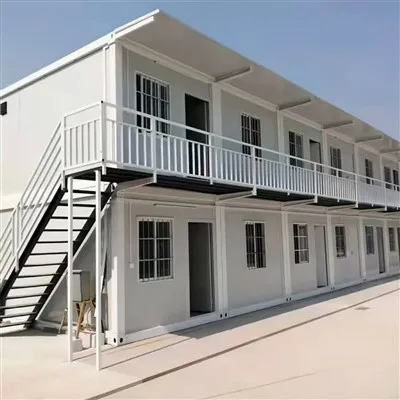
As a flat pack container supplier, one of the most frequent questions I get from customers—whether they’re ordering for a pop-up shop, a small office, or a remote worksite—is: “Do flat pack containers come with electrical wiring straight out of the box?” The short answer is no, not by default. But that doesn’t mean you’re left without options. Over the 12 years I’ve been helping businesses and individuals customize flat pack containers, I’ve seen first-hand how wiring works, what’s included, and how to avoid common pitfalls that end up costing folks time and money later. I want to break this down honestly, because a lot of suppliers will overpromise and underdeliver, and that’s not how we do business.
First, let’s start with the basics: what is a flat pack container, anyway? Unlike standard shipping containers that arrive fully assembled, flat pack units are designed to be shipped in a compact, disassembled state, cutting down on transport costs by up to 60% compared to building a structure on-site. That means every component—walls, roof, floor, electrical fittings, even the frame—comes in separate panels or bundles, ready to be assembled on your property. The core structure is built to ISO shipping container standards, so it’s durable, weatherproof, and secure, but electrical systems are an add-on for most standard orders.
Wait, why don’t they come with wiring pre-installed? It comes down to three key factors: flexibility, safety, and cost. Every customer’s needs are different. A pop-up café might need 120V outlets, lighting, and a small refrigeration circuit. A remote construction site office might need 240V power for tools, plus data cabling for computers. A tiny home flat pack might need three-bedroom wiring, appliance circuits, and a dedicated breaker panel. If every unit came with pre-wired systems, we’d either be including unnecessary components that drive up the price for customers who don’t need them, or missing critical parts that someone else does. That’s not practical.
Safety is another big one. Electrical work in enclosed metal structures like containers has specific codes to follow, depending on where you are. In the U.S., that’s the National Electrical Code (NEC); in the EU, it’s the Low Voltage Directive and national electrical safety standards. A pre-installed wiring system that works for a 10-foot storage container won’t meet the code for a 20-foot living unit, because the length of runs, the number of circuits, and the load capacity all change. If a supplier installs wiring to their own internal standard that doesn’t align with local codes, you could end up with a structure that’s not safe to use, or can’t pass inspections when you’re ready to get a certificate of occupancy.
Cost is the third factor. For a small, budget-conscious customer ordering a 10-foot flat pack to use as a tool shed, pre-wiring would add hundreds of dollars to the cost for circuits, outlets, and a breaker panel they might never use. By leaving wiring as a custom add-on, we can price the base unit affordably, then let customers pick exactly what they need. It’s a win for both sides—no paying for features you don’t want, and no settling for a system that doesn’t fit your project.
That said, that’s not to say you can’t get wiring included. At our company, we offer two types of electrical packages tailored to flat pack containers, and they’re both fully compliant with industry standards. Let’s walk through what’s included in each, so you can see what makes sense for you.
First, there’s our Basic Electrical Kit, designed for small, light-use applications like pop-up kiosks, temporary storage with power for lights, or weekend workshops. This kit includes: a 4-circuit, 120V breaker panel (rated for up to 100 amps, enough for basic use), two GFCI outlets (critical for moisture-prone areas like kitchens or patios), four LED ceiling lights, all necessary copper wiring (14-gauge for standard circuits, run in rigid metal conduit to protect against damage during assembly and use), and external weatherproof power inlet to connect to grid power. We also include all the mounting hardware for fixtures, so you don’t have to source extra parts. This kit is pre-tested at our facility, so we can confirm there are no loose connections or faulty wiring, and we label every circuit clearly for easy troubleshooting later. The big thing with this kit is it’s designed to work with most 10-foot, 15-foot, or 20-foot flat packs, and it’s quick to install—our customers who do on-site assembly usually get it done in an afternoon.
Second, we have our Premium Custom Electrical Package, built for larger projects like small offices, tiny homes, retail spaces, or worksite facilities. This is fully customizable, so you can add whatever you need: more circuits (up to 20, if required), 240V outlets for heavy tools or appliances, data cabling for Wi-Fi, security systems, or point-of-sale systems, dedicated circuits for HVAC units or water heaters, even exterior lighting for loading areas or signs. We also include a grounding rod kit, which is mandatory for many electrical codes in areas with poor soil conductivity, and surge protection devices to safeguard your electronics from power spikes. Unlike the basic kit, this package is tailored exactly to your unit’s size: a 40-foot flat pack will have longer wiring runs and a larger breaker panel than a 10-foot one, so we size all components to avoid overloading the system. We also work directly with licensed electricians to design the package, so you can be sure it will pass any local inspections.
I should mention that there are a few common misconceptions about electrical wiring in flat pack containers that I hear all the time. One is that the metal container walls act as grounding. Wait, that’s a dangerous myth. While shipping containers are made of steel, which is conductive, they’re not designed to be a proper grounding system for electrical circuits. Most container walls have paint, rust, or insulation that can create gaps, so relying on the steel for grounding is a fire hazard. That’s why all our electrical packages include separate grounding components, and we always advise customers not to skip that step—we’ve seen too many customers cut corners on this and end up with damaged equipment, or worse, safety risks.
Another misconception is that wiring is easy to add after assembly. It’s true that you can run wiring through the wall panels once the container is put together, but it’s far harder and more expensive. Flat pack container walls are hollow, with a layer of insulation between inner and outer panels, so running wiring after assembly means you have to cut holes in the walls, fish cables through, and patch everything up. That can take twice as long as installing wiring during assembly, and you risk damaging the insulation or the structural panels. Plus, some custom containers, like those with finished interior walls (drywall, paneling) will require you to remove and rehang finishes, which adds even more cost. That’s why we strongly recommend adding electrical wiring during the initial build or assembly process, when it’s easiest and cheapest.
Let’s talk about a real example, to make this concrete. Last year, a customer from Austin reached out to us looking for a 20-foot flat pack container to turn into a mobile coffee shop. They were on a tight budget, and initially thought they’d have to hire an electrician to run wiring from scratch. We walked them through our Basic Electrical Kit, which was $850, versus the cost of hiring an electrician to run wiring after assembly, which he estimated would be over $1,800 once you added labor, materials, and inspection fees. We also adjusted the basic kit to add two extra 120V outlets near the counter for espresso machines and a dedicated circuit for a refrigerator, so it fit exactly what he needed. He ended up ordering the kit, assembled the container over a long weekend, and our installer was able to connect the power in less than two hours. When he had his local inspection, it passed on the first try, no issues. That’s the kind of win we love to see.
What about if you’re planning to do the assembly yourself? I always advise that if you’re adding electrical wiring, even the basic kit, you should have a licensed electrician on-site for the final inspection, at minimum. Wiring mistakes are not something to take lightly—they can cause fires, shocks, or damage to your container. That said, our basic electrical kits come with step-by-step instructions, labeled parts, and a test certificate, so your electrician can confirm it’s code-compliant without having to re-do most of the work.
Now, a few things to keep in mind when you’re ordering a flat pack container with electrical. First, measure your unit’s size. Wiring run length depends on the length of the container: a 10-foot unit has a 10-foot wiring run for each circuit, a 40-foot unit has a 40-foot run. That’s why we size breaker panels and wire gauges to match—using a 15-amp breaker for a 40-foot circuit that runs multiple appliances can cause overheating. Second, check local codes before you order. Some areas have specific rules for temporary structures, mobile units, or container-based structures, so make sure your electrical package meets those requirements. We’re happy to help you confirm what’s needed, just share your location when you reach out.
I also want to be transparent about what’s not included in any of our packages. We don’t provide appliances (fridges, microwaves, espresso machines), interior finishes (drywall, flooring, cabinetry), or external power connections beyond the weatherproof inlet. Those are things you can add on-site, depending on your project, and we work with a network of trusted suppliers for add-ons if you need them.
At the end of the day, the answer to “Do flat pack containers come with electrical wiring?” is: they don’t need to, if you don’t want them, but they can, exactly how you need them. The key is to work with a supplier who’s honest about what’s included, and who will help you design a system that’s safe, code-compliant, and fits your budget.
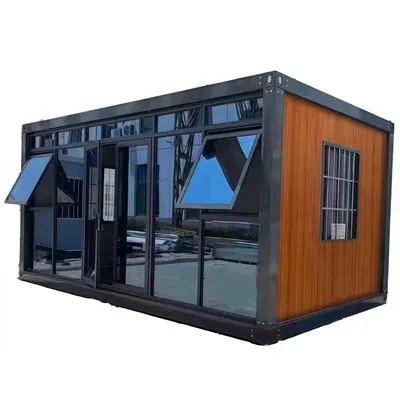
If you’re planning a flat pack container project, whether it’s a small storage unit, a pop-up shop, a tiny home, or an worksite office, don’t guess about wiring. We can walk you through the options, help you figure out what’s right for your space, and make sure you don’t end up with surprises later. Reach out to our team to discuss your requirements and get a customized quote.
Flat Pack Container References
National Electrical Code (NEC), Article 554: Mobile Homes, Manufactured Homes, and Mobile Home Parks. NFPA, 2023.
ISO 668: Series 1 freight containers—Classification, dimensions and ratings. International Organization for Standardization, 2020.
Low Voltage Directive 2014/35/EU. European Parliament and Council of the European Union, 2014.
OSHA Electrical Safety Guidelines for Temporary Worksites. Occupational Safety and Health Administration, 2022.
Aoborui Seiko Technology (Weifang) Co., Ltd.
As one of the most professional flat pack container manufacturers and suppliers in China, we also support customized service. Please feel free to wholesale high-grade flat pack container made in China here from our factory. Welcome to view our website for more information.
Address: Building 38, Zhongnan High-tech, Weifang Yuandu Huizhi Industrial Park, No.3999, Taixiang Street, Hanting District, Weifang City, Shandong Province
E-mail: admin@sino-abr.com
WebSite: https://www.sinoabr.com/
