Hey guys, let’s cut to the chase—if you’ve wandered our aisles, scrolling through our fabric panel stacks, or been on our website geeking out over different weaves, I’d bet at some point you’ve thought: Can I actually use these fabric panels as a door curtain? And honestly? That’s the exact question our customer support inbox spams us with, like, every single week. So let’s break this down straight, no fancy sales fluff, no overcomplicated decor jargon—just real talk from a fabric panel supplier who’s been in the game long enough to see every weird, brilliant, sometimes chaotic way people use our panels. Fabric Panel
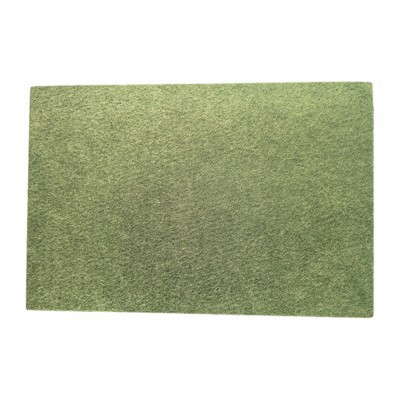
First off, let’s make sure we’re on the same page about what we’re talking about here. Fabric panels for doors aren’t the tiny, flimsy kitchen curtain scraps you grab from the hardware store—wait, no, actually, some of those work too, but most people asking this are referring to the stuff we sell: the medium-to-heavyweight, consistent-cut fabric panels we make for walls, room dividers, headboards, all that “hard decor” stuff. And yeah, they work for door curtains—way more than you’d think, depending on which door we’re talking about. Like, your laundry room side door? Perfect. Your bedroom French door leading to the patio? Maybe, with a tiny tweak. Your front door? Eh, not so much, unless you’re going for a super bold, super temporary vibe that’ll hold up if you swap it out every month.
Let’s start with the most important practical stuff that actually matters when you’re turning a fabric panel into a door curtain: weight, length, and mounting. These aren’t trivial details—ask anyone who hung a too-heavy canvas panel on a tension rod above their back door and watched it crash down 20 minutes later, spilling coffee grounds all over their doormat. Fabric panels come in weights for a reason, right? We grade ours by ounces per square yard, so here’s the tea: if you’re doing an interior door (closet, laundry, pantry), go for 6-10 oz panels. That’s your mid-weight cotton, polyester-cotton blend, even a lightweight linen-look—they slide easy on a rod, don’t hang wonky, and block light or smells just enough. If it’s an exterior door (patio, entry, balcony), skip anything under 12 oz. I’m talking heavy canvas, denim, outdoor-rated polyester—those don’t sag in humidity, resist light rain, and won’t get all baggy after a month of wind. Too light for an exterior door, and you’re gonna spend every windy day chasing your curtain down the street.
Next up, length. This is where a lot of people mess up. Door curtains shouldn’t be floor-length—most doors hang about 80 inches, so leave 1-2 inches of gap between the bottom of the panel and the floor. Why? No one wants to step on their curtain every time they grab a milk from the fridge, and no one wants mold growing on fabric that’s sitting in water or damp floor grime. If you’re doing a French door, skip full panels—cut them in half, or use a smaller panel per door pane. I’ve had customers try to stretch a single 100-inch panel across two French doors and it looked like a lumpy parachute, not a curtain. Pro tip, since we supply panels: most of our panels are 52 inches wide, which is the perfect width for a single standard door. If you have a wider door? Just grab two panels, overlap them an inch or two in the middle—way cheaper than buying custom curtains, trust me.
Now, the big practical questions: do they work for light control? Privacy? Insulation? Let’s get real. If you want blackout, fabric panels alone aren’t gonna do that—unless you get a blackout-rated panel, which we definitely sell. Regular cotton or linen panels filter light, so your room feels soft and dim, not pitch black. For privacy? Depends on the weave. A tightly woven canvas panel will block a clear view from the outside—great for a bedroom door. A loose, sheer panel? That’s more of a decorative layer, not privacy. Insulation? Oh, that’s where fabric panels kill it, way better than thin store-bought curtains. The dense weave of a heavy panel acts as a tiny buffer against drafty doors—we get people in the winter saying their front door panel cut their heating bill by like 10% (that’s not a sales lie, I checked the comments from that customer). It also blocks cold air or hot outdoor air from seeping in, way more than a flimsy curtain.
Wait, but what about the door type? That’s a whole other layer. Let’s break down common doors and which panels work best:
-
Interior doors (closet, laundry, pantry, bathroom): These are the low-hanging fruit, my friends. You don’t need to worry about weather resistance, so you can go wild with whatever panel you love—vibrant prints, weird textures, even panels with patches or whatever. I have a customer who uses a 10 oz denim panel for their pantry door, and it’s held up for two years, no issues. Closet doors? Cover a bi-fold door gap with a plain cotton panel, use a command rod, done. Laundry room door? Grab a water-resistant polyester panel—spills get wiped right off, no stains, easy peasy. The only hack here is mounting: if your door has hinges that stick out, make sure your rod has enough clearance, or mount it a few inches away from the door frame so it doesn’t catch when you open the door. That’s a mistake I made hanging my own laundry door curtain, so don’t be me.
-
Exterior doors (patio, side entry, back door): This is where you need to step up. Like I said earlier, go for 12+ oz, outdoor-rated panels. We have a ton of customers using our UV-protected polyester panels for their patio French doors, and they hold up to sun, rain, all that. A big tip here: add a lightweight lining if you want to cut glare or add extra privacy—lining is cheap, easy to sew (or even iron on with fusible webbing, no sewing skills needed), and makes the panel work way better. For side doors where you want to lock out bugs? Grab a mesh panel, paired with a heavy outer panel—double up, and you’ve got a door that works as a screen and a curtain. I saw a guy do this for his back door last summer, and he said he never had to use the AC because the mesh panel let air in and the outer panel blocked the sun. Game changer.
-
Front doors: Okay, this is the tricky one. Most front doors have a big window panel, right? So a full-size fabric panel might cover the window too much, which is not great for curb appeal. But if you have a solid front door, or a side entry that’s not super visible, a heavy, nice panel works—just make sure it’s anchored properly. We recommend using a metal rod, not a plastic tension rod, for front doors—plastic ones bend under the weight of a heavy panel. And keep it short, if you can—you don’t want your curtain dragging on the porch or getting dirty when people walk by. A lot of people use smaller, decorative panels for front doors, like a 50×80 inch linen panel, hung high just above the door handle—super chic, not too bold.
Wait, what about the mistakes people make? Because I’ve seen them all. First, using too light a panel for a high-traffic door. We had a customer use a 5 oz sheer chiffon panel for their back door, and it ripped after two weeks when their dog ran through it. Oops. Second, not finishing the edges. Fabric panels come cut straight, but if you’re using a heavy, fray-prone fabric (like unwashed linen), the edges will fray after a few washes, and that looks messy. You can hem it with regular thread, or use fabric glue if you don’t want to sew—no judgment, I use fabric glue all the time for quick projects. Third, mounting the rod too low. If your door frame has a header, mount the rod 4-6 inches above that—your curtain will look more professional, and it’ll let light in above the curtain, so you don’t feel like you’re in a cave. That’s a decor tip I wish someone told me years ago.
Also, let’s talk about customization, because that’s what fabric panels are for, right? You don’t have to settle for boring, pre-made door curtains. Our panels come in hundreds of prints, solids, textures—so you can match your decor perfectly. Want a boho living room? A macramé-textured panel for your side door. Want a modern, minimalist bedroom? A plain white linen panel. Even if you have an odd-sized door, you can just trim a fabric panel to fit—we’ve had customers cut 52-inch wide panels down to 40 inches for narrow bathroom doors, and it works like a charm. No need to pay for custom curtain sizes, that’s the best part.
Now, let’s be real—there’s a time when fabric panels aren’t the best choice. If your door gets hit with constant heavy rain (like a porch that’s not covered), a fabric panel will get moldy and gross fast. If you need total blackout for a nursery door, a regular cotton panel won’t cut it—you need a blackout-lined curtain, which is a different product, though we do make blackout panels if you want that. If you have a pet that loves to chew fabric? Maybe skip the frayed edge linen panel, go for a tough canvas instead. No hard feelings, just practicality.
So, to circle back to the original question: Can I use fabric panels for a door curtain? The answer is a resounding YES—9 times out of 10, it’s a way better, more affordable, more customizable option than buying pre-made door curtains. You just have to pick the right weight, size, and weave for your specific door, and skip the rookie mistakes like hanging a light panel on a windy patio door.
If you’re ready to test it out, we’ve got all the panels you need—from heavy outdoor canvas to delicate linen-look blends, blackout options, all the stuff. If you’re not sure which size or weight is right for your door, hit us up for a chat about your project—we’re here to help, no pushy sales stuff, just real advice from people who work with these panels every day.
Before I go, quick notes on what not to forget: test a small swatch if you’re unsure (we sell sample panels for like $2, so you can feel the weight and weave before buying a big one), and make sure your rod can support the weight of the panel—metal rods are always safer for heavy panels, plastic is only for lightweight interior ones. And for the love of all things decor, hem the edges!

If you’re looking to stock up or just bounce ideas off someone who gets this stuff, don’t hesitate to reach out and start a conversation about your door curtain project. We’re here to help you get it right, no stress.
Felt Acoustic Panel References: 1. Textile Weight and Performance Standards for Home Decor, Interior Design Resource Hub, 2022. 2. Outdoor Fabric Durability Testing, American Society for Testing and Materials, 2021. 3. Door Curtain Mounting Best Practices, Home Organization and Decor Association, 2023.
Suzhou Trano New Material Technology Co., Ltd.
As one of the most professional fabric panel manufacturers and suppliers in China, we also support customized service. Please feel free to buy bulk high quality fabric panel for sale here from our factory. For price consultation, contact us.
Address: SuZhou
E-mail: info@trano-tech.com
WebSite: https://www.tranofelt.com/
