If you’ve ever shopped for insulation materials, chances are you’ve come across glass wool—one of the most versatile and widely used products in construction, HVAC, and industrial applications. As a supplier of the Glass Wool Series, I get a lot of questions from contractors, architects, and DIYers alike, but one of the most frequent is about tensile strength. Many assume insulation is just a soft, fluffy material, but tensile strength matters a lot for durability, installation ease, and long-term performance. Today, I’m breaking down what the tensile strength of the Glass Wool Series actually is, why it matters, and how our products are engineered to stand up to real-world use. Glass Wool Series
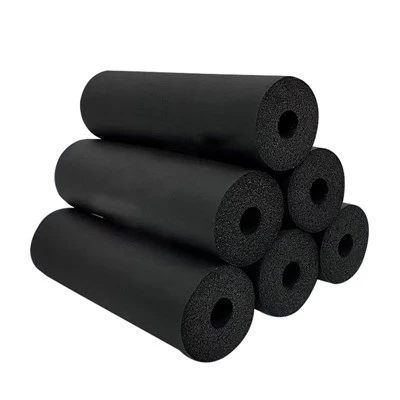
First, let’s define what tensile strength means in this context. Tensile strength is the maximum amount of stretching or pulling force a material can handle before it breaks or deforms permanently. For glass wool, which is made from fine molten glass fibers bonded together with a heat-resistant resin, tensile strength isn’t about holding heavy loads like a steel beam—it’s about resisting tearing during installation, staying in place over time, and maintaining its structural integrity when exposed to temperature changes or minor impacts. That’s a key distinction to make: this isn’t the high tensile strength of structural materials, but it’s a critical performance metric for insulation.
The tensile strength of glass wool varies depending on a few factors that make up the Glass Wool Series. The primary variables are fiber density, binder type, and product form. For example, our standard duct liner glass wool, designed for HVAC systems, has a tensile strength ranging from 0.8 kPa to 1.5 kPa (about 0.116 psi to 0.218 psi). Duct liner needs enough strength to resist being torn when cut to fit around ductwork and when attached with fasteners or adhesive. Then there’s our wall and ceiling insulation batts, which are slightly denser. Their tensile strength falls between 1.2 kPa and 2.2 kPa (0.174 psi to 0.319 psi). These batts need to hold their shape when being lifted into wall cavities, preventing sagging over years of use that would leave gaps and reduce insulation efficiency.
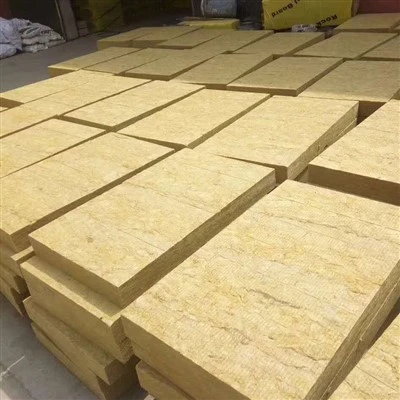
If you’re working with rigid board glass wool, which is used for exterior wall sheathing, roof insulation, or under flooring, the tensile strength is higher. Our rigid board products have a tensile strength of 3.5 kPa to 6.0 kPa (0.508 psi to 0.870 psi). That makes sense—rigid boards are meant to provide structural support in addition to insulation, so they need to resist breaking when stepped on during installation or when exposed to environmental stresses like wind or minor impacts. We also manufacture specialty glass wool for industrial applications, like pipe insulation for high-temperature piping. Those products have a tailored tensile strength of 1.0 kPa to 4.0 kPa, calibrated to hold up to the heat and vibration common in factories and chemical plants.
I often get asked why tensile strength isn’t a one-size-fits-all number—and that’s the beauty of the Glass Wool Series. One size doesn’t work for every job. A duct liner with too high a tensile strength would be stiff and hard to bend around elbow ducts, making installation slow and costly. A wall batt with too low a tensile strength would tear easily when being stuffed into tight cavities, leading to waste and uneven insulation. Our team works with customers to match the right tensile strength product to their specific project, because we know that cutting corners on performance (even something as seemingly minor as tensile strength) can lead to big problems down the line.
Let’s talk about why tensile strength actually matters for your project, beyond just being a specification on a data sheet. First, installation efficiency. Glass wool with proper tensile strength tears cleanly when cut, doesn’t fray at the edges, and holds its shape when being handled. For contractors, that means less time spent patching torn batts or struggling to fit rigid boards into tight spaces. I’ve heard from many of our clients that choosing the right tensile strength glass wool cuts their installation time by up to 15% on average—saving labor costs that add up fast on large projects.
Then there’s long-term performance. One of the biggest complaints I hear about insulation over time is sagging. When a wall or ceiling batt has low tensile strength, it can pull away from the top of the cavity, leaving gaps that let air leak in and reduce insulation efficiency by 20% or more, according to industry studies. The Glass Wool Series we supply has tensile strength engineered to resist that sag. Our wall batts, for example, undergo a 72-hour load test where a weight equivalent to years of thermal expansion and contraction is applied—we test to make sure the batt doesn’t stretch more than 5% permanently, keeping it in place for the product’s 25+ year lifespan.
Tensile strength also affects moisture resistance in some cases. When glass wool gets damp (from a small leak, for example), fibers can stick together and lose some of their tensile strength, but our resin binders are water-repellent, so they maintain their structural integrity even with minor moisture exposure. That’s a key feature of our Glass Wool Series: we don’t cut corners on binder technology to keep tensile strength consistent, even in slightly damp conditions. For exterior rigid board products, higher tensile strength also means they’re less likely to crack when exposed to freeze-thaw cycles, which is a big benefit for building envelopes in cold climates.
I should also address a common misconception: some people think that higher tensile strength always means a better product. That’s not true. For example, in soundproofing applications where glass wool is used to line partition walls, a slightly lower tensile strength (but consistent density) can actually improve sound absorption, because the fibers are more flexible. We balance tensile strength with other performance metrics like R-value, sound attenuation, and fire resistance for every product in the Glass Wool Series. It’s all about synergy—each property works together to meet the needs of the application, not just one single number.
As a supplier, we test every batch of our glass wool products to ensure tensile strength meets our strict specifications. We use standard test methods, like ASTM C664 for tensile strength of fibrous thermal insulation, which is the industry benchmark. Our quality control team conducts random tests on every shipment, so our customers can trust that the product they receive has the tensile strength we promise. We also provide detailed product data sheets for every item in the Glass Wool Series, so contractors and engineers can make informed decisions for their projects.
If you’re in the market for glass wool insulation, here’s a quick guide to matching tensile strength to your project:
- HVAC duct liner: Look for 0.8-1.5 kPa tensile strength, which balances flexibility and tear resistance.
- Residential wall/ceiling batts: 1.2-2.2 kPa to prevent sagging and make installation easy.
- Rigid board for exterior walls/roofs: 3.5-6.0 kPa for structural support and weather resistance.
- Industrial pipe insulation: 1.0-4.0 kPa to handle heat and vibration.
No matter what your project is, the Glass Wool Series has a product tailored to your needs. Whether you’re a general contractor working on a new home, an engineer designing a commercial building, or a facility manager updating industrial insulation, tensile strength is a key factor to consider—and it’s one we prioritize in every product we manufacture.
At the end of the day, insulation is more than just material that fills a space. It’s what keeps energy costs low, makes buildings comfortable, and protects structures from the elements. The tensile strength of glass wool might seem like a small detail, but it’s what ensures your insulation works as intended for years, not just the day it’s installed. If you’re ready to learn more about the Glass Wool Series, get a custom quote, or discuss which product is right for your project, please reach out to our team to connect for a procurement conversation. We’re here to answer your questions, provide product samples, and support every step of your project from planning to completion.
PVC Insulation Board References
ASTM C664-21, Standard Test Method for Tensile Strength of Fibrous Thermal Insulation, ASTM International, West Conshohocken, PA, 2021.
“Fibrous Insulation Performance: Tensile Strength and Durability”, National Insulation Association, 2022.
Glass Wool Product Specification Manual, International Association of Heat and Frost Insulators and Allied Workers, 2023.
Langfang Aolesi Thermal Insulation Materials Co., Ltd.
As one of the most professional glass wool products manufacturers and suppliers in China, we also support customized service. Please feel free to buy bulk high quality glass wool products made in China here from our factory. For pricelist, contact us now.
Address: Dongwang Village, Dacheng County, Langfang City, Hebei Province
E-mail: Lfaolesibaowen@outlook.com
WebSite: https://www.lfaolesi.com/
