Hey there, grinding parts squad. If you’ve been in this game for more than a few months, you know that nothing kills a production schedule faster than premature wear on your grinding parts. You’re cranking out batches, hitting your throughput targets, and then—bam—a worn-out grinding wheel segment or a faulty nozzle throws everything off. And don’t even get me started on the extra costs: downtime, emergency part replacements, lost material, and that last-minute scramble to keep orders on track. I’ve been on the supplier side of grinding parts for years, chatting with shops every week who’re dealing with this exact headache. Today, let’s cut the jargon and get real about how to avoid excessive wear—no fancy PhD required, just hard-earned shop wisdom. Grinding Parts
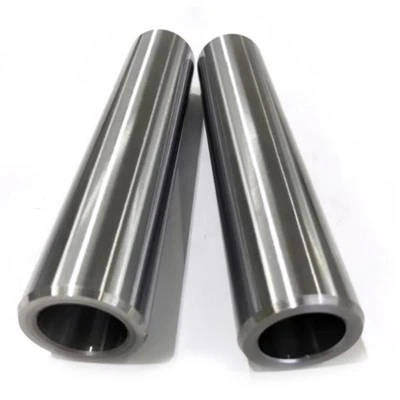
First off, let’s get one thing straight: not all “worn” grinding parts are the same. There’s normal wear—that’s expected, that’s why you have spares on hand. Then there’s excessive, weird wear that hits after half the expected lifespan, or only on one side of the part, or that leaves gouges instead of smooth cuts. That’s the stuff we’re fixing here. Let’s start with the basics because so many shops skip the small steps that make the biggest difference.
First up: Match your part to the job (yes, really)
I can’t tell you how many times I’ll get a call from a shop saying their grinding wheel lasted 2 weeks instead of 8, and when I ask what they’re grinding, they say “just steel.” C’mon—cold rolled steel is way different than cast iron, and stainless is a whole other animal. That same nozzle you ran fine on mild steel? It’ll clog and wear 3x faster grinding abrasive materials. A lot of guys default to the cheapest part, but that’s a short-term win. When we work with a new customer, the first question I ask is: “What’s your stock material? What’s your grind speed? Are you wet grinding or dry?” Those tiny details change the part material and coating you need. For example, if you’re dry grinding hard concrete or ceramic, a standard aluminum oxide grinding wheel will wear out in days. Swap in a silicon carbide wheel with a porous bond, and suddenly you’re looking at 4x longer life. I’m not saying you need to rework your whole parts catalog, but just matching the part grade to your specific job is half the battle. No more one-size-fits-all—you wouldn’t use a butter knife to cut wood, don’t use the wrong grinding part.
Next: Don’t skip the prep work (for both the part and your machine)
You might be thinking, “I just bolt the new part on and go, right?” Wrong. Let’s start with the part itself. Even a brand new grinding part can have a tiny flaw from manufacturing—like a slightly uneven nozzle opening or a grinding wheel segment that’s not perfectly aligned. I always tell customers to do a quick pre-check: run a finger over the part’s contact surface to feel for burrs, make sure holes line up with your machine’s mounts, and for wheels, do a quick spin check by hand to make sure there’s no wobble. If there’s a tiny burr from machining, just sand it off with a fine grit pad—saves you from that part wearing unevenly in 2 hours.
Then there’s your machine. This is the big one that almost everyone overlooks. If your grinding machine’s spindle is out of alignment, that new part is going to wear lopsided. If the coolant lines are clogged, your grinding wheel is running hot enough to glaze (that’s when the abrasive particles get dull and melt into the bond, so they stop cutting and start scraping). Glazing is one of the top causes of premature wear—you’ll see a shiny, smooth surface on the wheel instead of the rough, sharp abrasive texture it should have. I had a customer last year who was going through 5 grinding wheels a week, and we checked his coolant system: it was 90% clogged with old sludge. Flush that, adjust his grind speed, and now he’s only replacing 2 a month. Pro tip: Do a 10-minute machine check every shift—spin the spindle to make sure it’s smooth, blast out coolant lines, and wipe down the part mount. It takes 10 minutes and saves you hours of downtime.
Coolant isn’t just for cooling—it’s for protecting parts
Speaking of coolant, let’s nerd out on this for a sec. Too many shops treat coolant like an afterthought: top it off when it’s low, and that’s it. But the right coolant, used right, cuts part wear by half. First, concentration: if your coolant is too watered down, it doesn’t lubricate enough, so parts rub against the workpiece instead of cutting, causing friction and wear. If it’s too strong, it’s corrosive—especially for metal grinding parts like nozzles or holders. Most coolants have a recommended mix (usually 1:20 or 1:30)—use a test strip, don’t guess. Second, pH levels. For steel grinding, you want a pH of 8-9.5. Too low, and it eats away at metal parts over time; too high, and it can cause build-up on grinding wheels. Third, change it regularly. Old coolant is full of metal shavings and bacteria that turn into sludge, which scratches both your workpiece and your grinding parts. I tell customers to swap coolant every 3 months, or sooner if it starts looking cloudy or smelling weird. Oh, and if you’re dry grinding? Skip the liquid, but make sure you have a good air filtration system—too much dust will wear parts down way faster. I’ve seen dry grinding nozzles wear thin in 2 weeks because of unfiltered dust, same exact part that lasts 2 months with air filtration.
Adjust your operating settings (you’re probably grinding too hard)
I get it—you want to get the job done fast, so you crank up the grind speed or the feed rate. But that “speed = more parts” mindset is killing your grinding parts. Let’s talk about two settings that make a huge difference: grind speed (surface speed of the part) and feed rate (how fast the workpiece moves past the part). If you run the grind speed too high, the abrasive particles on your grinding wheel wear out before they can break down and expose new sharp edges. That’s called “attritious wear,” and it’s way faster than normal break-in wear. For most steel work, a surface speed of 1,200 to 1,800 surface feet per minute (SFPM) is sweet spot. Crank it to 2,500, and your wheel might wear out in half the time. Then there’s feed rate: if you push the workpiece too fast, the grinding part has to take deeper cuts, which puts more stress on every abrasive particle. Deep cuts = more friction = faster wear. Slow the feed rate just a bit, and you’ll get a smoother cut and longer part life. I had a customer who increased his feed rate by 20% to hit a deadline, and his nozzles started cracking every week. Drop it back 15%, and those nozzles now last 6 weeks. Small settings changes, big payoff.
Maintenance: Don’t wait for the part to break
This is the one that separates the shops that keep running on schedule vs. the ones that are always replacing parts. Most guys only check grinding parts when the workpiece comes out bad. No—do regular scheduled checks. For high-use parts like grinding wheels, check them every 8 hours for glazing or uneven wear. For nozzles or holders, check them every shift for cracks or clogs. And when you do check them, don’t just “okay” them—replace them before they fail. A grinding wheel that’s starting to glaze will keep producing bad parts and wearing out faster, but it’s still working. Swap it at the first sign of uneven wear, and you avoid a breakdown mid-job. Also, for parts that aren’t used every day—like spare nozzles or wheel segments—store them right. Keep them in a dry, temperature-controlled space, not leaning against a wall or stacked on top of each other. I had a customer who stored his spare grinding wheels in a hot, humid back room, and they developed tiny cracks that only showed up after he mounted them. Now he keeps spares in a climate-controlled cabinet, and no more cracked parts out of nowhere.
Last thought: When you do need a replacement, pick the right supplier
Look, I’m in this business, so I’m biased—but hear me out. A bad grinding part, even if you do everything right, will wear out fast. A lot of generic parts out there are made with cheap, low-grade abrasive or metal that doesn’t hold up. When you’re shopping for parts, don’t just look at the price. Ask: What’s this part made of? What’s the testing process? Do you offer custom parts if my job is weird? I work with all kinds of shops—from small local fabricators to big automotive plants—and I tell them straight: if you’re running a 24/7 shop, don’t buy the $5 wheel that lasts a week, buy the $15 wheel that lasts 6 weeks. It’s cheaper in the long run. And if a part wears out faster than expected, reach out to your supplier. Good suppliers will work with you to figure out why—was it a bad batch? Did you use it for the wrong job? They’re not just selling you a part, they’re your partner in keeping your line running.

At the end of the day, excessive grinding part wear isn’t inevitable. It’s usually a mix of small, avoidable mistakes: wrong part for the job, skipped machine checks, wrong coolant settings, pushing too hard on settings, or poor maintenance. You don’t need to overhaul your whole shop tomorrow—start with one small thing: check your coolant concentration this shift, or swap one part grade to match your material. Those small steps add up to way less downtime, way fewer emergency replacements, and way more time to focus on what matters: making good parts.
CNC Turn-Mill Parts If you’re dealing with persistent wear issues that you can’t figure out—we’ve helped dozens of shops nail this down. Whether you need help picking the right part, troubleshooting your machine settings, or just need a reliable supplier for high-quality grinding parts, reach out. We’re here to chat through your specific setup and get your parts lasting as long as they should. Let’s stop dealing with preventable wear and start hitting your targets.
References
- Todd, R. (2021). Grinding Machine Maintenance and Part Durability. Industrial Manufacturing Press.
- Stevens, M. (2019). Coolant Best Practices for Abrasive Machining Operations. Journal of Metalworking Processes, 42(3), 112-128.
- National Metal Fabricators Association. (2022). Guide to Grinding Part Selection and Wear Reduction. NMFA Technical Bulletin Series.
Suzhou Huaquan Electromechanical Manufacturing Co., Ltd.
As one of the leading grinding parts manufacturers and suppliers in China, we warmly welcome you to buy bulk customized grinding parts made in China here from our factory. If you have any enquiry about pricelist and free sample, please feel free to email us.
Address: No.7550 Mudong Road, Hengjing Town, Wuzhong District, Suzhou City, Jiangsu Province, China
E-mail: Huaquan2005@outlook.com
WebSite: https://www.huaquancnc.com/
