Hey there, fellow office space organizer and potential chair hunter! As someone who’s been knee-deep in the grid office chair game for a minute (like, literally, our team tests new models until our legs go numb), I get it—walking into a showroom or scrolling online for a chair feels overwhelming. You don’t just need something that looks good; you need something that’ll keep you comfortable through back-to-back meetings, late-night project sprints, and that 3 PM slump where you’re this close to napping at your desk. Over the years, I’ve watched so many people skip the “pre-buy test” and end up with a chair that’s basically a torture device by week two. So let’s cut the fluff—here’s the real, no-BS guide to testing a grid office chair before you hand over your credit card. Grid Office Chair
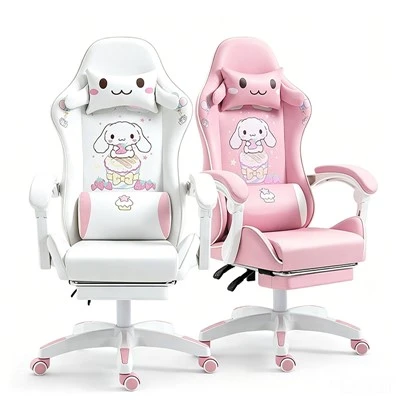
First off, let’s clear up what a grid office chair even is (for the new folks out there). It’s the one with that breathable, mesh (or grid, hence the name) back instead of solid fabric or plastic—game-changer for anyone who runs hot, right? But not all grid chairs are created equal. Some are cheaply made, with mesh that sags after a month or supports that make your back ache. So testing isn’t just sitting down—it’s a deep dive.
Let’s start with the basics: the seat. Most people forget the seat is half the battle. You need to sit like you normally work—leaning forward to type, not just reclining like you’re on a couch. Here’s what to check: first, seat depth. The “palm test” is my go-to for this. When you’re sitting all the way back, stick your palm between the edge of the seat and the back of your knee. If there’s less than a fist’s space? Too short—you’ll end up with pinched legs and numbness after an hour. If there’s more than a fist? Too long, and your lower back won’t get that little bit of support it needs. I’ve seen this go wrong so many times—someone buys a “luxury” chair with a deep seat, and by lunch, their feet are dangling like they’re on a kid’s bike. Also, check the seat padding: is it soft enough to sit on for 8 hours, but not so squishy that you sink in? Some cheap chairs use foam that breaks down in 6 months—test by pressing down hard with your hand; if it springs back instantly, that’s a good sign. If it stays indented? Run.
Next up, the grid (mesh) back—this is the whole point of a grid office chair, so don’t skip this part. First, feel the grid itself. Is it thin, flimsy stuff that might tear if you shift? Or is it a sturdy, woven material that gives a little but doesn’t stretch out? Good grid chairs use dual-density mesh—so the middle part (where your lumbar goes) is a bit stiffer, and the top is more flexible to support your shoulders. Now, the big one: lumbar support. This is non-negotiable for anyone who’s ever had lower back pain. Here’s how to test it: sit in the chair, lean back like you’re working (not all the way flat), and see if the chair’s lumbar curve hits exactly where your lower back naturally indents. If it’s too high, it’s pressing on your ribs. Too low, and you’re missing support entirely. Some chairs have adjustable lumbar supports—twist a knob or slide a pad up and down. Test that! If you can tweak it to fit your spine perfectly, that’s a huge win. I remember a customer once told us she bought a chair with fixed lumbar, and it pushed on her back wrong—within a week, she was back to square one. Adjustable is the move.
Now, let’s talk about movement—because a chair that doesn’t move is a chair that’ll make you stiff. First, the tilt function. When you lean back, does the chair tilt smoothly, or is it stuck? Good grid chairs have a tension adjustment—turn a knob under the seat to make the tilt looser or tighter. Test this: lean back, and see if it holds your weight without flopping backward, but also lets you relax a bit. If it’s so tight you can’t move, you’ll end up hunching. If it’s too loose, you’ll feel unstable. Then, the armrests—don’t overlook these! Armrests that are the wrong height can mess up your shoulders. Sit with your elbows at 90 degrees (the perfect typing position) and rest your arms on the armrests. They should align with your elbows, not so high that your shoulders are up by your ears, or so low that you’re hunching forward. Adjustable armrests are key here—some move up/down, side to side, even forward/back. Test all the movements. If an armrest only moves up and down, that’s fine, but if it’s fixed and too low? Pass. Also, check that the armrests are padded—hard plastic is fine for short periods, but 8 hours? No way.
Wait, what about the base and wheels? You might think wheels are trivial, but they matter. If the wheels are cheap, they’ll roll over carpet and then die on hard floors. Test the base first: give the chair a little push—does it stay steady, or wobble? Wobble = bad, especially if you’re a bigger person (no shade, but a wobbly chair is a safety hazard). The wheels: roll back and forth on the showroom floor, if you’re in one, or if you’re testing a virtual sample, check reviews. Good wheels work on both carpet and hardwood, cheap ones get stuck on carpet fibers or scratch floors. Also, the gas lift—this is what adjusts the seat height. Test it! Lift the lever under the seat, adjust it up and down a few times. Does it move smoothly, or is it sticky? If it sticks once, imagine how it’ll work after a year of use. A good gas lift should lift easily and hold your height without slipping. I’ve had customers tell us their old chairs would slowly sink while they worked—super annoying, so that gas lift test is crucial.
Now, let’s talk about something most people miss: the “break-in” test, even if you’re just in a showroom. Wait, you can’t bring a sleeping bag and camp there, but you can sit for 10 minutes straight—no checking your phone, just type like you normally would. Most people sit for 2 minutes, love it, then by minute 10, they’re uncomfortable. I make our sales team do this—we sit in every new chair for 10 minutes, typing, leaning back, adjusting, and if any of us end up shifting nonstop, we flag it as a dud. Also, test posture: slouch a little, then sit up straight. Does the chair support both positions, or does it only work if you’re perfectly aligned? A good grid office chair should let you move a little—no one sits bolt upright all day. If you’re the type who likes to lean way back to read, make sure the back tilts that far without straining.
Wait, what about size? If you’re on the taller side (like 6’2”+), a standard chair might not cut it. Test: when you’re sitting back, does the top of the grid back hit at least to the middle of your shoulder blades? If it stops at your lower back, your shoulders will hang over, and you’ll get a neck ache. For shorter folks (under 5’4”), check if the seat height is adjustable low enough. A lot of standard chairs only go down to 16 inches, which is too high for shorter people—their feet dangle, leading to back pain. Adjustable seat height is non-negotiable, so make sure that’s part of the test.
Now, let’s talk red flags to watch for. If the mesh feels like it’s gonna tear if you pull it a little—pass. If the lumbar support is just a flimsy pad that doesn’t adjust—pass. If the chair wobbles when you lean on the armrests—pass. If the wheels get stuck every time you roll a foot—pass. I’ve seen so many people get tricked by “cheap prices” on grid chairs, but 9 times out of 10, those are the ones with saggy mesh and broken parts in 6 months. A good grid chair is an investment—you’re gonna sit in it 40 hours a week, so spending a little more now saves you money on replacement chairs later.
Wait, I should also mention testing for different work styles. Are you someone who stands sometimes? Look for a chair that tilts forward a bit—some grid chairs have forward tilt for standing desk conversions. Are you in a meeting-heavy role, where you’re swiveling a lot? Check that the swivel is smooth—no resistance, no clicking. Test swivel 10 times back and forth; if it’s stiff, it’ll get annoying fast.
Now, let’s circle back to being a grid office chair supplier. Our team has been around long enough to know that the best test is real use. If you’re still not sure after testing in the showroom or online, reach out—we can send over a test unit for 7 days, no questions asked (well, mostly—we just ask you to give it a real go, not just sit on it for an hour). We build our grid chairs with dual-density mesh, adjustable lumbar, and heavy-duty bases because we’ve seen what works. A lot of our customers used to buy cheap chairs and then come back to us, saying they finally found something that doesn’t make their back hurt.
Wait, let’s make sure we didn’t miss anything. Oh! The edges of the grid back. Are they wrapped so they don’t dig into your shoulders when you lean back? Some cheap chairs have sharp edges, which after a few hours, leave marks—test by running your hand along the top and sides of the back. No sharp corners = good. Also, the seat front edge: it should be rounded, not sharp, to avoid cutting off circulation to your legs. Press the front edge with your hand—if it’s sharp and hard, that’s bad. A rounded edge is way more comfortable, even if you’re sitting for a long time.

Let me wrap this up. Testing a grid office chair isn’t just a quick sit—it’s checking every part that’ll affect your daily comfort. Seat depth, padding, grid back quality, lumbar support, adjustments, movement, base stability, wheel function, size for your height, and red flags like flimsy materials. Skip the 2-minute sit; give it 10 minutes, act like you’re actually working. And if you’re still on the fence, don’t guess—reach out. We don’t do fancy sales pitches, just honest advice and chairs that are built for real people’s real workdays. Whether you’re outfitting a small home office or a whole team, we’ve got grid chairs that’ll pass every test you throw at ’em. Hit us up to chat, no pressure, just figuring out what works for you.
Functional Sofa References:
- American Chiropractic Association. (2022). Office Chair Ergonomics for Back Health.
- Journal of Physical Therapy Science. (2020). Comparison of Seat Pressure Distribution in Mesh and Non-Mesh Office Chairs.
- Occupational Safety and Health Administration (OSHA). (2021). Ergonomic Guidelines for Office Workstations.
- International Journal of Industrial Ergonomics. (2019). Effects of Lumbar Support Adjustability on Musculoskeletal Discomfort in Office Workers.
Huzhou Xiasen Import and Export Co., Ltd.
Huzhou Xiasen Import and Export Co., Ltd. is one of the most experienced grid office chair manufacturers and suppliers in China, also supports customized service. We warmly welcome you to buy durable grid office chair in stock here from our factory. If you have any enquiry about pricelist, please feel free to email us.
Address: Room 701-9, No.70, Wulipai Road, Wukang Subdistrict, Deqing County, Huzhou City, Zhejiang Province
E-mail: shinesunyoungcai@163.com
WebSite: https://www.shinesun-household.com/
