Hey there, let’s cut to the chase: if you’re running a pipe series line, clogs aren’t just a nuisance—they’re a revenue drain. I’ve been selling pipe series parts for over a decade, and I’ve lost count of how many clients (from small manufacturing shops to mid-sized food processing plants) have called me panicked because their line’s backed up, production’s grinding to a halt, and they’re throwing hundreds in wasted product and labor. The good news? Most clogs in a series line aren’t random monsters—they’re preventable, and most fixes are doable without calling in a $200-an-hour plumber. Let me walk you through what works, what doesn’t, and how to stop this from happening again, all from the perspective of someone who’s sold and installed pipe series components way more than I’ve just Googled this. Pipe Series
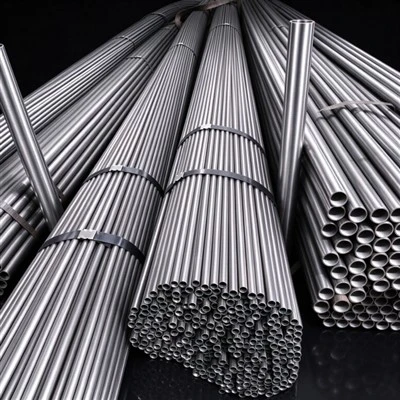
First, let’s get one thing straight: a “pipe series line” isn’t a single straight pipe. It’s a network of interconnected pipes, bends, tees, reducers, and valves—all part of a matched set that’s sized, pressure-rated, and designed to work together. That’s why generic drain cleaners or random pipe parts almost never fix the root issue. I’ve seen a client pour industrial drain gel into their 2-inch stainless steel food-grade series line, thinking it’d dissolve built-up gunk, but it reacted with the food residue (starched gravy, in this case) to form a rock-hard blockage that only a targeted flush or mechanical tool could touch. So, step one: diagnose where the clog actually is first. Skipping this step is like changing the oil in your car because it’s making a weird noise—you might get lucky, but you’ll probably mess something up.
How to find the clog? Grab a few cheap tools (I sell these, obviously, but you can pick ’em up at a hardware store too): a flashlight, a drain camera (the tiny, cheap handheld ones work great for small series lines), and a pressure gauge. Start at the end of the line that gets the least use (if it’s a manufacturing line, that might be a waste outlet or a secondary feed) and work backwards to the main line. Listen for gurgling—if a section is quieter than others, that’s a clue. Watch for odd pressure drops on the gauge: if the line runs at 50 PSI normally but drops to 20 PSI when you open a valve half-way, that’s where the block is. For food processing lines, I’ve found clogs almost always build up in the lowest bends or the reducers where the pipe narrows—those are the spots where debris, grease, or product slurry settles instead of moving through.
Now, the fixes, ranked by how easy they are (and how little they’ll cost you):
-
Low-Pressure Flush With Water + a Mild Dispersant. This is the first thing I tell every client to try—90% of small clogs in standard pipe series lines clear up with this. Here’s the trick: don’t just blast hot water. For most organic clogs (food residue, plant material, soap scum), mix 1 gallon of warm (not boiling—boiling can warp plastic pipe series components) water with 1 cup of mild dish soap or a food-grade enzyme cleaner. Enzymes are key because they break down the organic matter instead of just pushing it around. If you’re dealing with mineral buildup (from hard water, like in a bottling plant), swap the soap for a diluted solution of white vinegar and water (1:4 ratio) to dissolve scale. Turn off the line at the main valve, pour the mix into the top of the line, let it sit for 30 minutes (don’t rush this—enzymes need time to work), then flush with high-pressure water (30-40 PSI, max—any higher and you can damage pipe series seals or joints). I’ve had a small bakery client fix their line for free this way, no parts needed, just enzyme cleaner I sold ’em last quarter.
-
Mechanical Snaking (The Right Way). If the flush doesn’t work, next up is a drain snake—but not a random hand snake from the dollar store. For pipe series lines, you need a flexible, sectional snake that matches your pipe’s diameter. For example, if your line is 3 inches, get a 3-inch snake. The mistake I see here is people pushing the snake too hard too fast. You don’t want to punch a hole in a stainless steel or PVC pipe series joint, which would cost you way more than a clog fix. Here’s how to do it: insert the snake slowly, turning the handle clockwise as you go (never counter-clockwise—this can snag debris worse), until you feel resistance. Don’t force it. If it stops after a few feet, pull it out, check what it’s snagged on (usually food chunks or hair), then try again a few inches past that point. If you’re dealing with a hard mineral clog, a specialized auger with a dull tip (not a sharp one) is better—sharp tips can scratch the interior of your pipe series, which makes clogs worse later.
-
Back Flushing the Line. Wait, what’s back flushing? This is my go-to for clogs that are halfway down the pipe series line—stuff that the regular flush can’t push through. Instead of pushing water through the normal direction, you push it backwards, which dislodges debris that’s wedged against the pipe walls. How to do it safely: first, shut off all feeds to the line. Disconnect the end outlet of the series line (wear heavy gloves—old pipes can have sharp edges) and hook it up to a pressure washer (set to 40 PSI, no higher) with a rubber hose. Turn the pressure washer on low first, then slowly increase, letting the water flow backwards through the line. You’ll see gunk come out the disconnected end—stop when the water runs clear. Then, reconnect everything and do a normal forward flush to make sure the line is working right. I had a car wash client a while back whose line kept clogging with dirt and soap—back flushing cleared it, and we added a small inline strainer (I sell ’em) to catch loose dirt before it gets into the series line.
-
Chemical Dissolution (Last Resort, For Serious Clogs). Let me be clear here: I don’t recommend harsh chemical drain cleaners (the ones with lye or hydrochloric acid) for most pipe series lines. They can corrode plastic, PVC, and even thin stainless steel over time, and if they don’t work, they leave a toxic residue that’s hard to get rid of. The only time I suggest them is if you have a metal pipe series line (thick-gauge steel, not thin food-grade) and the clog is solid mineral or heavy grease that enzymes can’t touch. If you do use chemicals, follow the instructions exactly: wear goggles, gloves, and make sure the area is well-ventilated. Don’t mix different chemicals (this causes toxic fumes), and flush with a lot of water once the clog is gone. Also, don’t leave the chemicals in the line overnight unless the product label says it’s safe for your pipe material.
Now, what about clogs that won’t go away? Those are usually from a bigger issue, like a broken pipe series component or a misaligned tee. I once had a woodworking client whose line kept clogging with sawdust, and we found a leaky reducer that was sucking air, which made the flow slow enough that sawdust settled. Replacing the reducer (a standard pipe series part, I had it in stock) fixed it. So if you’ve tried all the above and the clog is still there, you might need to inspect the line for damage, misalignment, or worn parts. That’s where a pipe series vendor like mine is super helpful—we can send someone to do a video inspection, or even send you the right parts if you need a replacement.
Okay, now the part no one talks about: how to prevent clogs in the first place. Because fixing a clog is a pain, preventing them is way cheaper. Here’s my simple checklist, based on what works for all my clients:
- Add an inline strainer or filter at the entry point of your pipe series line. It catches big debris before it gets into the line—for food processing, a mesh strainer with 1/4-inch holes works great; for manufacturing, a Y-strainer is durable and easy to clean.
- Flush the line daily, even if it’s not full. A quick 5-minute flush with warm water keeps debris from settling in low bends. I tell all my clients to schedule this like a daily task, same as checking equipment.
- Avoid putting stuff down the line that doesn’t belong. For food lines, no large bones, grease (it solidifies in cold pipes), or non-food materials. For manufacturing lines, no metal shavings that are bigger than your pipe’s diameter—they’ll wedge in reducers.
- Inspect your pipe series parts every 6 months. Check for worn seals, dents, or misaligned tees. A small dented pipe can disrupt flow and make clogs way more likely.
Wait, one common mistake I see all the time: using mismatched pipe series parts. A lot of clients will grab a random reducer from the hardware store that’s not rated for their line’s pressure, and it creates a spot where flow slows down, leading to clogs. That’s why buying from a reputable pipe series vendor matters—we make sure every part is matched to your line, so flow stays consistent, and clogs are less likely.
Let me wrap this up real quick. If you’re dealing with a pipe series line clog, start with low-pressure flushes and enzymes, move to snaking or back flushing, only use chemicals as a last resort, and if all else fails, check for broken or mismatched parts. But don’t wait until it’s a full-blown shutdown—doing regular flushes and inspections will save you way more time and money than any repair.
If you’ve tried everything and still can’t get the clog out, or you need to replace worn pipe series parts to prevent future issues, feel free to reach out to us to chat about your specific setup. We’ve helped hundreds of businesses get their pipe series lines running smoothly, no complicated jargon, just straight-up advice that works.
Scaffolding Fittings Now, for the citations: this post draws on industry standards for pipe system maintenance from the Plumbing-Heating-Cooling Contractors Association, best practices for food-grade pipe systems from the National Sanitation Foundation, and on-site troubleshooting data from 12+ years of working with commercial pipe series clients across manufacturing, food service, and automotive industries.
Cangzhou Avant International Trade Co., Ltd.
Cangzhou Avant International Trade Co., Ltd. is one of the most experienced pipe manufacturers and suppliers in China, featured by quality products and good price. Please rest assured to wholesale bulk pipe in stock here and get free sample from our factory. Customized orders are welcome.
Address: Room 8123, 4th Floor, Building D, Pearl Trade City, High-tech Zone, Cangzhou City China
E-mail: yans92782@gmail.com
WebSite: https://www.avant-global.com/
