If you’ve ever walked past my shop—Outdoor Wood Products, right there on Main Street—you’ve probably seen the stacks of cedar benches, teak Adirondack chairs, and pine side tables, all lined up under a tarp on rainy days. I get at least three emails a week from customers asking the same question: Can I leave outdoor wood furniture uncovered in the rain? Let me cut to the chase here—yes, technically you can, but “technically” is just the kind of word we use when something’s less of a good idea and more of a “you’ll probably regret it in 12 months” situation. I’ve been in this game for 18 years, fixed more water-damaged chairs than I can count, and talked through every rain-related freakout you could imagine, so let’s break this down like we do with every customer who walks through the door. Outdoor Wood Products
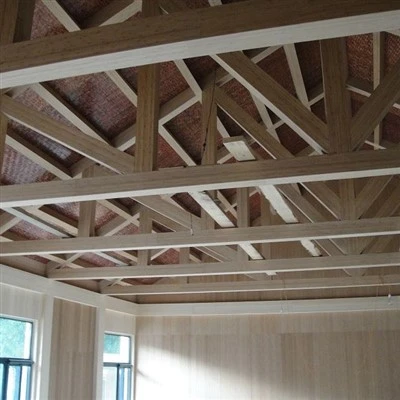
First, let’s talk about why rain messes with wood, and it’s not just the “it gets wet” thing. Wood is a living, breathing material—even the stuff we treat for outdoor use. It has cells that absorb water like a sponge, and when those cells swell, then dry out, they shrink. That constant back-and-forth is like getting a massage that’s way too rough; it breaks down the wood’s structure over time. I’ve seen a solid oak dining table crack along the edges after just two years of being left uncovered during Seattle’s winter rains—no fancy finish, no protection, just a $1,200 table turning into a set of uneven planks. The worst part? It’s not just heavy downpours either. A light drizzle that sits on the wood for 24 hours straight does the same thing, especially if the furniture’s sitting on a flat patio where water can’t drain away.
Now, not all wood is created equal, and that’s the part I always make sure customers know. I don’t sell furniture made from random pine—we use Western red cedar, teak, and pressure-treated pine, all of which are rated for outdoor use. Teak, for example, has natural oils that act like a built-in sealant. It’s the closest you’ll get to leaving furniture uncovered and having it hold up, even in heavy rain. But even teak has a limit. I had a customer last summer who left a teak lounge chair uncovered during a 10-day tropical storm; the joints started to warp, and the color faded from that rich golden brown to a dull gray. He thought teak was invincible, but no wood is. It just holds up longer. Cedar’s another one—its natural oils repel water for a bit, but after 3 or 4 years, that oil breaks down, and you’re back to the same swelling and shrinking problem. Pressure-treated pine is infused with chemicals to resist rot, but those chemicals can wash out over time if rain isn’t allowed to drain off properly, leaving the wood vulnerable.
Let’s get into the small stuff that most people miss. If your furniture’s sitting on the ground, like a bench by a garden bed, rainwater pooled at the base is way worse than rain hitting the top. I once fixed a set of two cedar gliders for a couple who’d left them directly on their grass; the bottom rails were so waterlogged they split, and mold started growing in the cracks. Mold’s not just gross—it eats away at wood too. Even if you wipe down the surface right after a rain, if the wood’s ends are exposed (like on a table leg that’s cut straight across), water gets in there and sits. The ends are the weakest part of the wood, no matter how good the other finish is. That’s why when we build furniture at Outdoor Wood Products, we always cap the ends with a sealer—small detail, but it makes all the difference.
So, what happens if you do leave it uncovered, like, by accident? Let’s say you’re on vacation for a week, and a rainstorm rolls through, you forgot the tarp. Don’t panic, but do act fast. First, don’t drag it inside to a dry, warm spot immediately. Wood that’s been soaked needs to dry slowly, otherwise the outside dries and the inside swells, leading to cracks. Set it in a shaded, well-ventilated area, prop it up on bricks so air can circulate under it, and wipe off any standing water with a soft cloth. If you see mold, mix one part bleach with three parts water, scrub it gently, and let it dry completely. But if you do this too often, you’re cutting the furniture’s lifespan in half. I’ve calculated that a teak chair left uncovered will last about 8 years, max, vs. 15 if you cover it and re-seal it every other year. Cedar? 3 years vs. 10. That’s a big difference when you’re dropping $500 on a chair.
Wait, but what about people who swear they leave their furniture uncovered and it’s fine? I hear that all the time. Their secret is usually two things: they’re using the right wood, and they don’t live in a place with constant rain. If you’re in Arizona, where rain comes once every three months and it’s gone by noon, leaving outdoor furniture uncovered is no big deal. But if you’re in the Pacific Northwest, or the Northeast, where it rains 10 days out of 12, that’s a totally different story. The constant moisture means the wood never fully dries out, so it’s always swollen, always under stress. That’s when rot sets in—wait, rot is the big one I didn’t even mention earlier. Rot is fungus that grows in wood that’s consistently wet, and it turns your sturdy chair into a soft, crumbly mess. I’ve had customers bring in furniture that looked fine on the outside, but when we pried open a joint, it was rotted through. No amount of sanding or staining fixes that.
Now, let’s talk about the real easy fixes if you don’t want to deal with covering every time it rains. First, get a good outdoor sealant. We sell a water-based UV sealant at Outdoor Wood Products that’s easy to apply—just brush it on every 2 years, and it blocks 90% of moisture. It doesn’t make the wood look fake, either; it lets that natural grain show through. Second, use furniture covers, but not the cheap ones from the hardware store. Those get water trapped inside, so they’re actually worse than no cover at all. Look for covers that are breathable, made of polyester or canvas, and fit snugly but not so tight that they press on the wood. Third, don’t leave furniture directly on the ground. Use patio blocks or wooden risers to lift it 2-3 inches off the surface, so water can drain under it. That’s a $10 fix that prevents 80% of the water damage I see.
I know, I know—covering furniture is a hassle. I get it. You spend $1,000 on a dining set, and now you have to find a place to store the cover when it’s sunny, remember to pull it out when the forecast calls for rain. But here’s the thing: at the end of the day, your outdoor furniture is an investment. It’s not something you want to replace every 3 years. I’ve had customers who told me they “didn’t have time” to cover their chairs, and 18 months later, they were back buying new ones because the old ones fell apart. The ones who do take 5 minutes to put a cover on? They’re still using the same chairs I sold them 10 years ago.
Let me wrap this up straight, no fluff. Can you leave outdoor wood furniture uncovered in the rain? Sure, if it’s teak, you live in a dry climate, and you don’t mind a shorter lifespan. But if you want it to hold up, look good, and save you money in the long run? Don’t do it. Rain is gentle but relentless, and wood is a stubborn material that will fight back if you don’t give it a little protection.
If you’re still on the fence, or you have a specific piece you’re worried about, hit us up. We can help you pick the right wood for your area, tell you what sealant works best, or even walk through what to do if your furniture does get soaked. We’re not just a supplier—we’re people who build this stuff, fix this stuff, and deal with the same rainy days you do. Don’t hesitate to reach out to talk through your outdoor wood needs.
Engineered Wood Beams References
- American Wood Council. (n.d.). Wood as an Outdoor Material: Performance and Care.
- Teak Association International. (2022). Teak Durability and Weather Resistance.
- Outdoor Furniture Manufacturers Association. (2021). Maintenance Guidelines for Wood Outdoor Furniture.
- USDA Forest Service. (2019). Wood Moisture Content and Its Impact on Structural Integrity.
Zendekin Low-Carbon Technology Co., Ltd.
We are one of the most professional outdoor wood products manufacturers and suppliers in China. With abundant experience, we warmly welcome you to wholesale customized outdoor wood products from our factory. If you have any enquiry about quotation, please feel free to email us.
Address: Building 3, Yincheng INC Center, No.59 Tianyuan West Road, Jiangning District, Nanjing, Jiangsu, China.
E-mail: zdqeco@163.com
WebSite: https://www.zdqeco.com/
