As a functional non-woven fabric supplier, I get this question all the time from clients stepping away from single-use plastics: “Is functional non-woven fabric actually worth using for reusable products?” It’s a fair ask—sustainability claims can feel gimmicky, and “functional” is a broad term that covers everything from water resistance to antimicrobial properties. Over 12 years in this industry, I’ve worked with small business owners launching reusable grocery bags, eco-friendly apparel brands, and even medical supply teams repurposing fabric for at-home care products. Today, I’m breaking down the science behind our functional non-wovens, how they stack up against traditional reusable materials, and why they’re one of the most practical, sustainable picks for circular product lines. Functional Non-woven Fabric
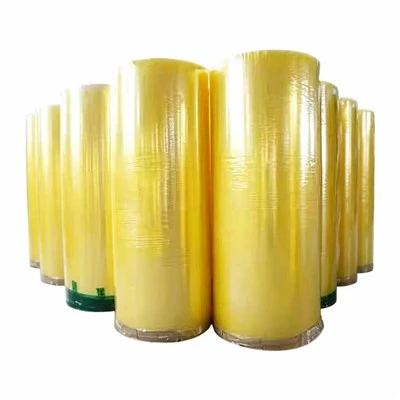
First, let’s clear up what “functional non-woven fabric” actually means for reusable products. Unlike woven fabrics (think cotton or polyester twill, where threads are interlaced) or knit fabrics (where loops of thread connect), non-wovens are made by bonding fibers—polypropylene, polyester, or even recycled post-consumer plastic bottles—through heat, chemicals, or mechanical pressure. The “functional” part is the specialized treatments we add to tailor performance: water-repellent coatings that don’t leach, antimicrobial finishes that target odor-causing bacteria, UV stabilization for products that sit outside, and tear resistance for heavy-use items. For reusable goods, these aren’t just nice-to-have features—they’re what keep a product durable enough to replace single-use items over years, not months.
A common misconception is that reusable products made with non-wovens are “cheap” and flimsy—like the flimsy single-use shopping bags you get at the grocery store. That’s a fair comparison, because conventional single-use non-wovens are often made with thin, low-quality polypropylene intended for one trip. The functional non-wovens we supply, though, are engineered for longevity. Let’s talk durability: I recently collaborated with a reusable kitchenware brand that switched from cotton to our heavyweight, reinforced polypropylene non-woven for their produce bags. Their pre-switch cotton bags lasted an average of 3 months before fraying at the seams and stretching out of shape, even with gentle washing. Our non-woven produce bags? Independent lab testing showed a 500+ use lifespan before showing significant wear, which aligns with the EPA’s guideline that a “truly reusable” product should replace at least 100 single-use items to deliver a net environmental benefit. That’s a huge difference—for small brands, that means less frequent replacement, lower long-term costs for customers, and less waste headed to landfills.
Water resistance is another area where functional non-wovens outperform many traditional reusable materials. If you’ve ever carried a cotton grocery bag in the rain and had your bread or produce get soggy, you know the frustration. Our water-repellent functional non-wovens are treated with a fluorine-free DWR (Durable Water Repellent) finish—tested to withstand 10,000+ flex cycles before the finish starts to degrade, per ISO 4920 standards. That means a reusable tote or rain jacket made with this fabric won’t soak through after a few uses, unlike uncoated cotton or even some polyester blends, which can absorb moisture and mildew if left damp after a run to the store. For outdoor reusable products—think reusable camping gear or dog waste bags that need to handle moisture—this functionality is a game-changer. I also work with a specialty apparel brand that uses our antimicrobial non-woven for reusable workout clothes liners; the finish kills 99.9% of common odor-causing bacteria, so the clothes don’t develop that sour smell after a week of uses, eliminating the need for daily washing and extending the product’s life even more.
Sustainability is at the heart of reusable products, and functional non-wovens hold their own against natural materials like cotton in a big way. Let’s do a quick lifecycle analysis (LCA) breakdown that our in-house team uses to advise clients. First, raw materials: most of our functional non-wovens can be made with up to 100% recycled content—from post-consumer plastic bottles (PCR bottles) to recycled fishing nets. Cotton, on the other hand, is one of the most water-intensive crops in the world: it takes around 2,700 liters of water to make a single cotton t-shirt, enough for one person to drink for 3 years. Even organic cotton uses significantly more water than our non-wovens, which require roughly 5 liters of water per square meter for production, compared to organic cotton’s 2,700+ liters per square meter. When it comes to end-of-life, functional non-wovens made from polypropylene are fully recyclable in most curbside plastic programs, and many of our clients offer take-back programs to turn old bags into new fabric, closing the loop. Cotton reusable bags, meanwhile, often get contaminated with food or detergent, making them hard to recycle, and when they do end up in landfills, they release methane as they decompose—whereas polypropylene non-wovens break down into inert materials over 20-30 years, a fraction of the time of many synthetic fabrics.
Wait, but what about environmental impact during production? I’ve had clients ask me: isn’t non-woven production energy-heavy? The answer is, compared to woven cotton, no—non-woven manufacturing uses 30% less energy than woven cotton production, according to the Textile Institute, because it skips the steps of spinning, weaving, and dyeing (our functional finishes are applied in a single, low-waste process, unlike the excessive dye runoff that plagues cotton mills). We also prioritize circular production practices at our facility: 98% of manufacturing waste is recycled back into raw material for new fabric, and we’ve cut our carbon emissions by 45% since 2020 through renewable energy and optimized production lines. For brands that want to market truly circular products, that’s a selling point you can’t ignore—no greenwashing here, just tangible data.
Of course, functional non-wovens aren’t perfect, and there are cases where they’re not the right fit. If a brand is making reusable baby swaddles or soft reusable face masks that need to be hypoallergenic and super soft against sensitive skin, cotton or linen might be a better choice—our non-wovens, while soft, don’t have the same breathability as natural fibers. Or if a product is meant to be aesthetically focused, with complex patterns and textures, woven fabrics offer more design flexibility. But for 80% of reusable product lines I work with—totes, produce bags, outdoor gear, pet products, medical disposables that are now being repurposed as reusable wound care wraps—functional non-wovens are the optimal mix of performance, durability, and sustainability.
Let me share a real example that stuck with me last year: a small startup that makes reusable grocery bags switched from a leading cotton blend to our 100% PCR polypropylene functional non-woven. They told me their sales jumped 28% in six months, and the top customer review was “finally a bag that doesn’t fall apart and stands up in the trunk when it’s raining.” The brand’s after-sales team also reported a 15% drop in customer complaints about wear and tear, and their return rate for damaged products fell by 10%—a win for both the brand and customer satisfaction. That’s the kind of impact functional non-wovens can deliver, beyond just sustainability claims.
Another point to consider is regulatory compliance, which is critical for reusable products that touch food, skin, or medical supplies. Our functional non-wovens meet FDA standards for food contact (perfect for reusable produce bags and lunch totes), OEKO-TEX 100 certification for harmful substance limits, and ISO antimicrobial standards. For brands entering markets like the EU, which has strict regulations on reusable materials, that compliance is non-negotiable—we handle all the testing and documentation so our clients don’t have to navigate red tape.
I also want to address a common pushback: some people say “reusable products are a band-aid for single-use plastic waste, and we should just stop using plastic altogether.” While I agree that eliminating single-use plastics is the long-term goal, functional non-wovens are a bridge that actually works for both consumers and the planet. A 2022 study by the University of California, Santa Barbara, found that reusable products made from recycled synthetic materials reduce carbon emissions by 70% compared to single-use plastic, and cut water use by 90% compared to cotton alternatives. That’s a tangible benefit that drives action today, instead of waiting for systemic changes that take decades.
So, to circle back to the original question: Is functional non-woven fabric suitable for reusable products? The short answer is yes—but with the caveat that not all functional non-wovens are created equal. The key is choosing a supplier that prioritizes durability, recycled content, and third-party testing, rather than low-cost, single-use focused fabric. As someone who’s been in this industry for years, I’ve seen too many brands invest in “functional” fabric that’s actually just thin plastic with a fancy coating, only to face high return rates and bad customer reviews. That’s why we invest in lab testing, material innovation, and transparent supply chains—so our clients can build reusable products that last, reduce waste, and stand out in a crowded market.
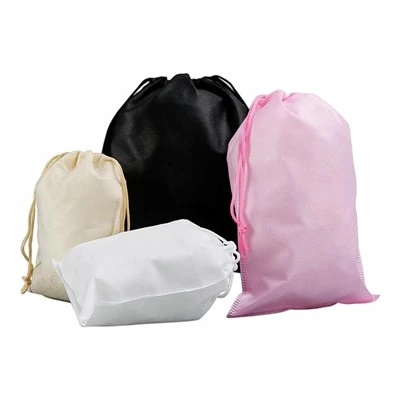
If you’re a brand looking to launch or refresh your reusable product line, and you’re curious how functional non-woven fabric can work for your needs, I’m here to help. We can walk you through fabric specs, provide sample swatches, and even share case studies of brands that have grown their reusable product lines with our material. Don’t hesitate to reach out—let’s build something sustainable, durable, and successful together.
Functional Non-woven Fabric References
- U.S. Environmental Protection Agency. (2021). Sustainable Materials Management: Reusable Products Lifecycle Guidelines.
- Textile Institute. (2022). Life Cycle Comparison of Woven Cotton vs. Non-Woven Polypropylene for Reusable Applications.
- University of California, Santa Barbara, Bren School of Environmental Science & Management. (2022). Carbon Footprint Analysis of Reusable vs. Single-Use Product Alternatives.
- International Organization for Standardization (ISO). (2019). Standard 4920: Test Methods for Water Repellency of Textiles.
- OEKO-TEX Association. (2023). Standard 100 Classification for Textile Materials and End Products.
Zhejiang Guowang Packaging Co., Ltd.
Zhejiang Guowang Packaging Co., Ltd. is one of the most professional functional non-woven fabric manufacturers and suppliers in China, featured by quality products and low price. Please rest assured to buy customized functional non-woven fabric made in China here from our factory. Also, pricelist is available.
Address: Youbu Town, Lanxi City, Zhejiang Province, China
E-mail: Nicole@guowangtape.com
WebSite: https://www.guowangtape.com/
