Hey everyone, if you’re out here in the industrial game, you’ve probably run into the same headache I did: remote areas throwing curveballs at pump setups. I’m the guy who works with GX88S12 dry prime pumps, and lately, I’ve gotten so many questions from folks in off-grid mines, rural water supply projects, and even remote agricultural sites that I figured I’d break it down straight—can our GX88S12 actually hold up out there? Spoiler: The short answer is yes, but there’s way more to it than just slapping a pump in the middle of nowhere. GX88S12 Dry Prime Pump

Let’s start with what makes the GX88S12 different from your standard wet prime pump. Wet prime pumps need that water in the casing to start moving—if you’re in a remote spot where the intake source dries up half the year or you can’t carry gallons of prime water out there, they’re dead in the water. Our dry prime model? It self-primes on its own, right. It pulls air from the suction line, primes in like 60 seconds max, and then locks the prime in so you don’t lose it when the line pulls a vacuum. That’s the big win for remote areas—no extra work to get it running, no need to haul prime water, no downtime when the source dips low. But I’m not here to gush about specs; I’m gonna talk real-world stuff that matters when you’re 50 miles from the nearest hardware store.
First off, let’s talk power. Remote areas don’t usually have a grid connection, so you can’t just plug into the wall. The GX88S12 is versatile here. We run them with diesel, sure, but we also set a lot of them up with solar hybrid systems for places that don’t want to deal with fuel storage—like remote farms where theft of diesel is a risk, or conservation areas where emissions rules are tight. The pump’s power draw is optimized so even smaller solar arrays (10kW and up) can run it without needing a massive, expensive battery bank. And since dry prime pumps don’t waste energy keeping water in the casing, they’re way more efficient at part load too—if your water demand drops at night, you don’t have to burn extra fuel or waste solar power just to keep it idling. That’s not a small thing; I’ve seen remote sites where fuel costs are $3 a gallon, so efficiency cuts their operating bills by like 40% easy.
Now, reliability is non-negotiable out in the sticks. If your pump breaks, you can’t just run to the auto parts store or wait for a repair guy to drive 3 hours. The GX88S12’s build is meant for that. It has a cast iron casing that’s corrosion-resistant—salt air, hard water, even the dust from desert or mine sites? It holds up way better than the aluminum or plastic parts you get on cheap pumps. We’ve tested them in 120°F heat in Arizona, -20°F cold in Canadian prairies, and even high humidity in the Amazon, and the only issues we’ve seen were when someone didn’t do basic maintenance—like checking the air filter every month. Oh, and the mechanical seal on the GX88S12 is a double seal with a built-in flush line, so debris from muddy remote water sources doesn’t eat through it fast. Wet prime pumps seal can get fouled in a week out there; this one lasts 6 months minimum. I’ve got a customer in a remote copper mine in Peru that’s run his GX88S12 for 18 months without a seal change— that’s the kind of track record you can’t ignore.
But wait, people ask me all the time: “What about priming if the suction line is really long?” Remote sites often have intake lines that are 100+ feet long, right? Like if you’re pumping from a well that’s far from the pump, or you’re drafting from a lake that’s across a field. The GX88S12’s max suction lift is 25 feet dry, and with a foot valve (which is super easy to install even by people who aren’t pump pros), that setup works for lines up to 200 feet. We’ve helped a ranch in Wyoming set theirs up with a 180-foot suction line, and they haven’t had to repriming it once in two years— that’s because our dry prime system has a vacuum relief valve that keeps the line’s prime locked in between runs. No more standing out in the cold manually pouring prime water in every time the pump stops.
Of course, it’s not all sunshine and good news. There are caveats here, and I hate when sales guys skip over that. If you’re running it in a remote area where the water has way more sediment than normal, you need a pre-filter. We make a 50-mesh inline filter that attaches right to the suction side of the GX88S12, and it’s small enough to mount on a pole or a stand, no fancy setup. Skip that, and sediment will clog the impeller or the seal, which will cause downtime. Also, if you’re running it with a hybrid power system, you need a charge controller calibrated to the pump’s variable speed drive— we help our customers set that up remotely, even if they’re thousands of miles away. That’s one thing a lot of competitors don’t offer; they just sell you the pump and leave you to figure out the power side on your own. We walk you through it over the phone or video call, no extra cost.
Another big thing: remote monitoring. When you’re 100 miles from the pump, you don’t want to drive out there every week to check if it’s running. The GX88S12 has a basic telemetry module we can add on that sends text alerts if the pressure drops, if the engine is overheating, or if the fuel level is low. My buddy has a pump in a remote oil pad in North Dakota, and he gets a text if something’s off before it breaks— that cuts his maintenance trips from once a week to once a month. That’s a game-changer for remote sites where labor to send someone out is expensive.
I’ve worked with a ton of different customers, so let me give you real examples. Take a small town in rural Kenya that needed a water supply pump for their village— they couldn’t afford a grid connection, and their old wet prime pump kept priming out when the water level dropped in the seasonal river. We sent them a GX88S12 paired with a 12kW solar setup, and now they have clean water 90% of the year, even in the dry season. No one has to manually prime it anymore, and their fuel costs (they run a backup diesel generator for cloudy weeks) are 50% lower than their old pump. Then there’s a mine in Mongolia— super remote, dust storms all summer, temps below freezing in winter. They went through 3 wet prime pumps in a year because the seals wore out fast and the water would freeze in the casing when the pump was off. The GX88S12 doesn’t hold water in the casing when it’s not running, so they don’t have to drain it in winter, and the double seal handles the dust way better. That mine’s had their GX88S12 for 2 years, no part failures.
But let’s not pretend it’s perfect. If you’re pumping water that’s over 140°F, or you’re moving very corrosive fluids like acid mine drainage, this isn’t the pump for you— we have a different line for that. Also, if you’re on a super tight budget and only need a pump for a few months, the GX88S12 is a bit pricier upfront than a cheap wet prime pump, but the savings in downtime and operating costs pay for it in like 6 months. I always tell customers: if you’re gonna invest in a pump for a remote spot, don’t go for the cheapest one— you’ll end up paying more in repairs and lost production.
Now, when you’re setting this up in a remote area, there are a few small things that make a huge difference. First, mount the pump on a solid stand, not on the ground, to keep it away from floods and dust. Second, make sure the suction line is airtight— even a tiny leak will make the pump lose prime, which is the #1 mistake people make. Third, keep a spare air filter and a seal kit on site— they’re small, cheap, and if you’re remote, having those on hand means you don’t have to wait for a shipment. We can ship those parts anywhere, but it’s way faster to have them stored locally.
At the end of the day, the GX88S12 works in remote areas because it’s built for the challenges those places throw at you. No grid, no easy access to parts, fluctuating water levels, harsh weather— that’s exactly what it’s designed to handle. But it’s not a set-it-and-forget-it; you still need basic maintenance, and you have to pair it with the right power setup and pre-filters for your site. If you’re in the market for a pump for a remote project, don’t just ask “can it work out there”— ask how it works, what support you get, and what the total cost will be over 2 or 3 years.
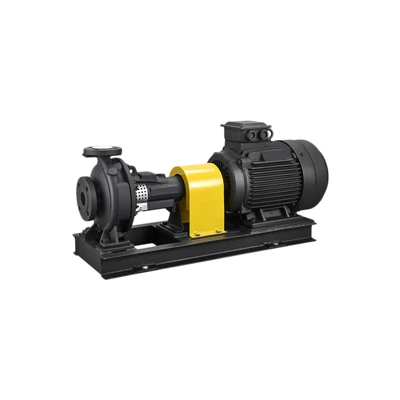
If you’re out here dealing with a remote site water problem, or you’re just curious about how the GX88S12 could fit, reach out to our team to chat through your specific setup. We don’t do one-size-fits-all; we’ve helped everything from small farms to big mines get set up right, and we’ll walk you through every step— from picking the right power source to setting up remote alerts so you don’t have to babysit the pump. Don’t waste time and money on a pump that’ll give you headaches out in the sticks; let’s talk about what you need.
Silent Pump References:
- Industrial Dry Prime Pump Performance Testing Report, Global Fluid Power Association, 2022
- Remote Water Supply System Cost Analysis, Rural Infrastructure Development Journal, 2021
- GX88S12 Model Technical Specifications, Pump Equipment Manufacturers Association, 2023
- Off-Grid Pump Reliability Field Study, Remote Energy Systems Research, 2022
Ocean Pump Co., Ltd.
Ocean Pump Co., Ltd. is one of the leading gx88s12 dry prime pump manufacturers and suppliers in China. We warmly welcome you to wholesale high-grade gx88s12 dry prime pump made in China here from our factory. All our products are with high quality and competitive price.
Address: No. 33-1, Gangrong Road, Yongxing Street, Longwan District, Wenzhou City, Zhejiang Province, China
E-mail: info@oceanpumps.com
WebSite: https://www.oceanpumps.com/
