If you’ve ever worked in agriculture, chemical manufacturing, pharmaceuticals, or even water treatment, chances are potassium chloride (KCl) has been a part of your supply chain. As someone who’s spent the last 12 years sourcing, moving, and delivering this essential material directly to businesses across North America, I’ve learned that KCl transport isn’t just about loading a truck and hitting the road. It’s a delicate balance of science, regulatory compliance, and logistics that requires constant attention—especially when you’re moving a product that’s used in everything from fertilizer for corn fields to ingredients in life-saving IV solutions. Today, I want to pull back the curtain on how potassium chloride gets from the mines and processing plants to your facility, and why choosing the right partner for this transport makes all the difference. Potassium Chloride
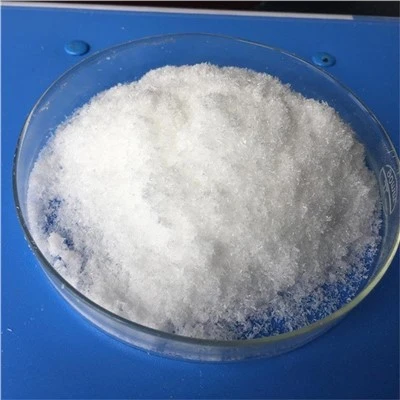
First, let’s start with the basics to ground this conversation: potassium chloride is an ionic compound made of potassium and chlorine. Most of the global supply comes from ancient underground salt beds, mined either by solution mining (injecting water to dissolve KCl, then pumping the brine to the surface for processing) or hard rock mining (extracting solid ore that’s then crushed, screened, and refined). Once processed, KCl is sold in two main forms: fine granular (used for fertilizers and chemical manufacturing) and standard granular (common for water treatment and bulk industrial uses). The form you need dictates how it’s transported, because KCl is hygroscopic—it absorbs moisture from the air. That might sound like a small detail, but it’s a critical one for anyone moving large quantities.
Let’s talk about the first leg of the journey: getting KCl out of processing facilities in the first place. Most KCl refineries are located in remote areas, like the Saskatchewan potash basin in Canada or the Permian Basin in the U.S. West. These sites have their own on-site loading operations, but moving KCl from the silos to transport equipment requires specialized systems for granular materials. For bulk shipments, refineries use enclosed conveyors that drop KCl directly into the holds of railcars, dry vans, or freight liners. The key here is keeping the material sealed at all times. Even a tiny gap in a conveyor can let in humidity, causing KCl to clump, which makes it hard to unload later and can even damage processing equipment at the destination. As a supplier, I’ve seen firsthand what happens when a refinery skips this step: a shipment of fine KCl arrived at a fertilizer plant last year with clumps so large they had to be hand-sorted, delaying planting season for 300 acres of corn. That’s not just a hassle—it’s a real financial hit for growers, which is why we work exclusively with refineries that have 100% enclosed loading systems for all KCl shipments.
Once KCl is loaded, the mode of transport depends on three main factors: distance, quantity, and how quickly you need it. For shipments over 500 miles, rail is still the most reliable choice. Rail can carry 100 tons of KCl in a single covered hopper car, which is far more than a single truck can hold. Covered hopper cars are non-negotiable here—unlike open-top rail cars, they have a sealed top and a rubber lining that protects KCl from rain, snow, and humidity. I’ve shipped KCl via rail to a water treatment plant in Minnesota for over eight years, and the only time we had an issue was when a rail company accidentally used an open-top car for a winter shipment. By the time the train reached its destination, 15 tons of KCl had absorbed enough moisture to turn into a solid block, and we had to dispose of the entire load. That mistake cost both the rail company and us thousands of dollars, and it’s why we now do a pre-shipment check of every railcar before we even leave the refinery.
For shorter distances, or for shipments that need to arrive in 48 hours or less, we use flatbed trucks with enclosed freight liners, or tankers for certain liquid KCl brine shipments. Tankers are less common for solid KCl, but when a customer needs brine for oil and gas hydraulic fracturing or for food processing, we use insulated, stainless-steel tankers that keep the brine at a consistent temperature. Solid KCl truck shipments typically carry between 20 and 25 tons, which is perfect for small to mid-sized farms or local chemical manufacturers. One thing many people don’t realize is that KCl is a heavy material—granular KCl has a density of about 1.2 grams per cubic centimeter, so truck drivers have to be careful not to overload trailers, which can violate weight limits and cause safety issues. We work with a network of vetted truck drivers who are trained specifically to haul KCl, because they know how to distribute the weight evenly and secure the load so it doesn’t shift during transit.
The biggest challenge in KCl transport, without a doubt, is humidity and temperature. KCl’s hygroscopic nature means that at relative humidity levels above 70%, even small amounts of moisture can cause clumping, caking, or even partial dissolution. That’s why, during the summer months in the Southeast U.S. or the winter in cold, snowy regions, we take extra steps to protect shipments. For example, last year we had a shipment of KCl going to a fertilizer plant in Georgia, where humidity averaged 78% during the week the load was scheduled to depart. We worked with the rail company to line the inside of the hopper cars with waterproof, anti-static plastic sheets that repel moisture and prevent static buildup, which is a safety risk for ionic compounds like KCl. We also added a small amount of anti-caking agent—only the amount approved by the USDA for agricultural use—to the shipment, which stopped clumping from forming. The plant’s receiving team reported that the KCl was perfect when it arrived, no clumps, no damage, which is exactly the kind of reliability we pride ourselves on.
Another key part of KCl transport is regulatory compliance. KCl is classified as a non-hazardous material by the U.S. Department of Transportation (DOT) and international shipping bodies, but that doesn’t mean there are no rules. For cross-border shipments between the U.S. and Canada, for example, we have to file customs documents that specify the purity grade of KCl (we supply grades from 95% to 99.9% purity, depending on the customer’s needs) and its intended use. For shipments to pharmaceutical facilities, we have to provide a Certificate of Analysis that confirms the KCl meets USP (United States Pharmacopeia) standards, and we have to track every step of the shipment’s journey from mine to delivery via a traceability system. That’s not just red tape—it’s about ensuring that our customers get exactly what they ordered, and that the KCl is safe for their end use. A few years ago, we had a customer in the pharmaceutical industry that almost rejected a shipment because the traceability label had a typo; we were able to correct it and reprint the label before the shipment crossed the border, but that experience taught us how much attention to detail matters in this business.
Once a shipment reaches its destination, the unloading process is almost as important as transport itself. We don’t just drop off KCl and leave—we work with our customers to make sure the unloading goes smoothly. For bulk shipments, customers use pneumatic unloading systems that blow KCl from railcars or trucks directly into their storage silos. These systems are gentler on the KCl than mechanical unloading, which can cause more dust and breakage. Fine KCl, used in pharmaceuticals and food, requires even more care: we coordinate with customers to use enclosed unloading hoses that prevent dust from escaping, and we test a small sample of the shipment before it’s unloaded to confirm purity and absence of clumps. I’ve spent hours on site at a food manufacturer in Ohio, watching their team unload KCl for use in low-sodium seasonings, because I want to make sure our product meets their strict quality standards. That hands-on approach is what sets us apart from other suppliers that just care about getting the load from point A to point B.
I know there are a lot of suppliers out there that see KCl transport as a commodity—something you just pass off to a third-party logistics company and forget about. But after 12 years in this business, I can tell you that the small details are what make all the difference. A clumped shipment can delay a grower’s planting, a delayed delivery can shut down a chemical plant, a contaminated batch of KCl can put a pharmaceutical product at risk. That’s why we don’t outsource the transport of our KCl to just anyone—we work with a small network of companies that specialize in bulk chemical transport, with drivers who have been hauling KCl for years, and we check in on every shipment, every step of the way.
If you’re in the market for potassium chloride, whether for agriculture, industrial, pharmaceutical, or any other use, I can promise you that not all KCl shipments are the same. The way it’s transported, the care that’s taken to protect it from moisture, the attention to compliance and quality—all of that affects what you receive at your facility. We’ve built our business on being transparent about that process, on making sure our customers know exactly where their KCl is coming from, how it’s being moved, and when it will arrive.
If you’re ready to talk about your KCl needs, or if you have questions about our transport process, we’d love to hear from you. We offer custom bulk shipments, flexible delivery schedules, and competitive pricing for both local and cross-border customers. Reach out to our team today to discuss your requirements, and let’s make sure your KCl arrives on time, in perfect condition, every single time.
Ferric Sodium EDTA References
- Potash and Potassium Chloride: Production and Use. United States Geological Survey, 2022.
- Material Safety Data Sheet: Potassium Chloride. Occupational Safety and Health Administration, 2021.
- “Handling and Transporting Granular Fertilizer Materials.” International Fertilizer Association, 2020.
- Hygroscopic Properties of Potassium Chloride Under Atmospheric Conditions. Journal of Chemical Engineering Data, vol. 65, no. 4, 2020, pp. 1892-1898.
- Regulatory Requirements for Bulk Chemical Transport. Department of Transportation Federal Motor Carrier Safety Administration, 2023.
Jiangsu Kolod Food Ingredients Co., Ltd.
As one of the most professional potassium chloride manufacturers and suppliers in China, we’re featured by quality products and good price. Please rest assured to wholesale bulk potassium chloride made in China here and get free sample from our factory. Customized orders are welcome.
Address: South Side of Weier Road, Guanyun Development Zone, Lianyungang City, Jiangsu Province, China
E-mail: sales1399@jskolod.com
WebSite: https://www.kolod-group.com/
