Humidity plays a crucial role in the evaporation process within an evaporator, a fundamental piece of equipment in various industries such as food processing, chemical engineering, and desalination. As an evaporator supplier, I’ve witnessed firsthand how different humidity conditions can impact the performance and efficiency of our evaporators. In this blog, I’ll delve into the scientific details of how humidity affects evaporation in an evaporator, and explain why understanding this relationship is essential for optimizing operations and achieving the best results. Evaporator
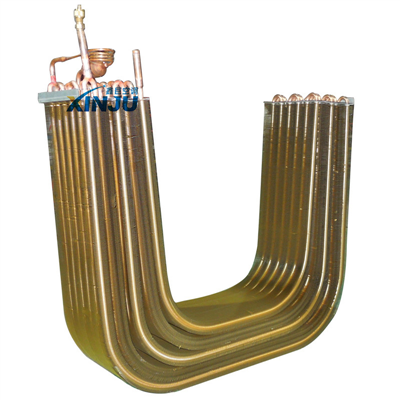
The Basics of Evaporation and Humidity
Before we dive into the specific effects of humidity on evaporation in an evaporator, let’s first review the basic concepts of evaporation and humidity. Evaporation is the process by which a liquid changes into a vapor state at a temperature below its boiling point. This occurs when the molecules at the surface of the liquid gain enough energy to break free from the intermolecular forces holding them together and enter the surrounding air.
Humidity, on the other hand, refers to the amount of water vapor present in the air. It is typically expressed as relative humidity (RH), which is the ratio of the actual amount of water vapor in the air to the maximum amount of water vapor the air can hold at a given temperature. When the relative humidity is high, the air is already saturated with water vapor, making it more difficult for additional water molecules to evaporate from a liquid surface. Conversely, when the relative humidity is low, the air has a greater capacity to hold water vapor, facilitating the evaporation process.
How Humidity Affects Evaporation Rate
The most direct way in which humidity affects the evaporation process in an evaporator is by influencing the evaporation rate. According to the principles of mass transfer, the evaporation rate is determined by the difference in the vapor pressure of the liquid and the partial pressure of water vapor in the surrounding air. The vapor pressure of a liquid is a measure of the tendency of its molecules to escape into the vapor phase, and it increases with temperature. The partial pressure of water vapor in the air, on the other hand, depends on the relative humidity and the saturation vapor pressure at the given temperature.
When the relative humidity is low, the partial pressure of water vapor in the air is much lower than the vapor pressure of the liquid in the evaporator. This creates a large driving force for evaporation, allowing water molecules to rapidly leave the liquid surface and enter the air. As a result, the evaporation rate is high, and the evaporator can effectively remove water from the solution being processed.
Conversely, when the relative humidity is high, the partial pressure of water vapor in the air is close to or equal to the vapor pressure of the liquid in the evaporator. This reduces the driving force for evaporation, slowing down the rate at which water molecules can escape from the liquid surface. In extreme cases, when the relative humidity reaches 100%, the air is completely saturated with water vapor, and no further evaporation can occur.
Impact on Evaporator Performance
The effect of humidity on the evaporation rate has significant implications for the performance of an evaporator. A lower evaporation rate means that the evaporator takes longer to remove a given amount of water from the solution, reducing its overall productivity. This can lead to longer processing times, increased energy consumption, and higher operating costs.
In addition, high humidity can also affect the quality of the product being processed. In some applications, such as food processing and pharmaceutical manufacturing, the presence of excess moisture can promote the growth of microorganisms, leading to spoilage and reduced shelf life. It can also affect the physical properties of the product, such as its texture, flavor, and solubility.
Another challenge associated with high humidity is the formation of condensate on the evaporator surfaces. When the warm, moist air inside the evaporator comes into contact with the cooler surfaces of the equipment, the water vapor condenses into liquid water. This can lead to corrosion, fouling, and reduced heat transfer efficiency, all of which can further degrade the performance of the evaporator.
Strategies for Mitigating the Effects of Humidity
As an evaporator supplier, I understand the importance of helping our customers overcome the challenges posed by high humidity. Here are some strategies that can be employed to mitigate the effects of humidity on the evaporation process in an evaporator:
-
Dehumidification: One of the most effective ways to reduce the impact of humidity is to dehumidify the air inside the evaporator. This can be achieved using a variety of methods, such as refrigeration dehumidification, desiccant dehumidification, or a combination of both. By removing excess moisture from the air, the driving force for evaporation is increased, leading to a higher evaporation rate and improved evaporator performance.
-
Temperature Control: Another important factor in the evaporation process is temperature. By increasing the temperature of the solution being processed, the vapor pressure of the liquid is increased, which in turn increases the driving force for evaporation. However, it’s important to note that increasing the temperature also increases the energy consumption of the evaporator, so a balance must be struck between evaporation efficiency and energy costs.
-
Airflow Management: Proper airflow management is essential for ensuring efficient evaporation in an evaporator. By creating a uniform airflow pattern inside the evaporator, the rate of mass transfer between the liquid and the air is increased, leading to a higher evaporation rate. This can be achieved using fans, blowers, or other airflow control devices.
-
Equipment Design: The design of the evaporator itself can also have a significant impact on its performance in high humidity conditions. For example, using materials that are resistant to corrosion and fouling can help to prevent the formation of condensate on the evaporator surfaces. In addition, designing the evaporator with a large surface area and a high heat transfer coefficient can help to increase the evaporation rate and improve the overall efficiency of the equipment.
Conclusion
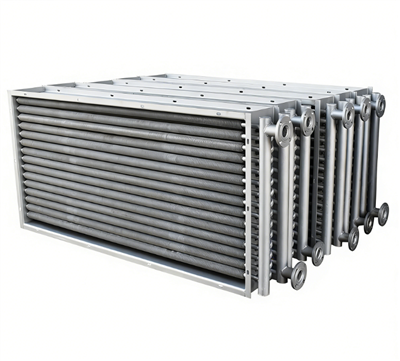
In conclusion, humidity is a critical factor that can significantly affect the evaporation process in an evaporator. By understanding the relationship between humidity and evaporation rate, and implementing appropriate strategies to mitigate the effects of high humidity, it’s possible to optimize the performance of an evaporator and achieve the best results.
Finned Tube As an evaporator supplier, we’re committed to providing our customers with the highest quality equipment and the most innovative solutions to meet their specific needs. Whether you’re looking to improve the efficiency of your existing evaporator system or are in the market for a new evaporator, we’re here to help. Contact us today to learn more about our products and services, and to discuss how we can help you achieve your evaporation goals.
References
- Perry, R. H., & Green, D. W. (1997). Perry’s Chemical Engineers’ Handbook (7th ed.). McGraw-Hill.
- Incropera, F. P., & DeWitt, D. P. (2002). Fundamentals of Heat and Mass Transfer (5th ed.). Wiley.
- McCabe, W. L., Smith, J. C., & Harriott, P. (1993). Unit Operations of Chemical Engineering (5th ed.). McGraw-Hill.
Xiangshui Derkang Refrigeration Equipment Co., Ltd.
As one of the most professional evaporator manufacturers in China, we’re featured by quality products and low price. If you’re going to buy discount evaporator, welcome to get quotation from our factory. We also accept customized orders.
Address: No. 2, Xiaojian Town Entrepreneurship Park, Xiangshui County
E-mail: 505745223@qq.com
WebSite: https://www.xsderk.com/
