If you’ve ever walked the floors of a dairy processing plant, you know every piece of equipment has a story—one that ties to safety, compliance, and keeping milk (and the products made from it) safe for consumers. As a milk buffer tank supplier, I get a lot of questions from plant managers, engineers, and even new operations owners: “Do my buffer tanks need special permits to install, or can I just set them up and get to work?” It’s a fair question, and the short answer isn’t as simple as yes or no. Let’s break this down, because skipping the right permits isn’t just a paperwork hassle—it can derail production, lead to fines, or even put product quality at risk. Milk Buffer Tank
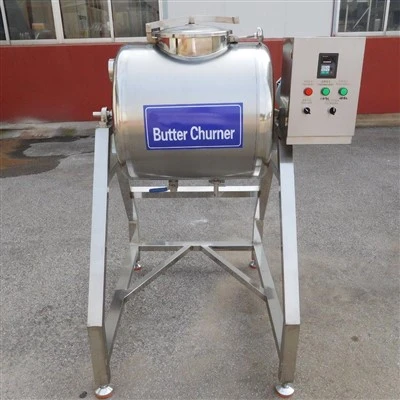
First, let’s ground this in what a milk buffer tank actually does. For anyone who’s not deep in dairy operations, a buffer tank is essentially a holding vessel that smooths out the flow of milk through a processing line. If a pasteurizer goes down for 20 minutes, the tank holds enough raw milk to keep the line from running dry, so you don’t waste product or have to shut down entirely mid-batch. It also can balance temperature—keeping milk at the exact 38°F (3°C) range required by federal regulations, no matter what’s happening upstream or downstream. But because this equipment handles food-grade product, not just industrial water or chemicals, the rules for installing it aren’t the same as for a generic storage tank.
Let’s start with the U.S. context, since that’s the market we serve most, and it’s where most of our clients operate. The key regulatory bodies here are the Food and Drug Administration (FDA) and state departments of health, plus the USDA’s Agricultural Marketing Service (AMS) for dairy-specific operations. Wait, but does every buffer tank need a permit? Not exactly. Smaller, non-food-grade tanks that hold things like cleaning solutions (CIP chemicals) might have different requirements, but milk buffer tanks are food contact equipment, so they fall under FDA’s Food Safety Modernization Act (FSMA) rules. Here’s the split: if you’re moving a tank into a facility that’s already registered as a dairy processor, you’ll need a specific permit for installation, but if you’re building a new plant, there’s an extra layer of inspection.
Let’s walk through a common example we saw last year. A craft dairy in Vermont was expanding their line to add flavored milk, and they ordered a 500-gallon milk buffer tank from us. Their engineer assumed they could just crane the tank into the processing room and plug it in. Wrong. The state health department required a plumbing and equipment installation permit, specifically because the tank is in the food processing zone. The permit application asked for things like the tank’s material grade (ours are all 304 food-grade stainless steel, which is listed on every certification we provide), its sanitary design (no crevices where bacteria can grow, which is a non-negotiable for dairy), and the layout of how it connects to the existing pasteurizer and piping. They didn’t just get a permit—they had to schedule an inspection before they could turn the milk on. That inspection check: was the tank properly sealed to prevent cross-contamination with non-food lines, was the temperature sensor calibrated (a requirement for FSMA’s cold chain rules), and did they have a proper drain for the tank to clean it between batches? All boxes had to be checked, and we worked with their engineer to pull together all the technical docs they needed to submit.
Another point: if your milk buffer tank is moving across state lines, there’s another layer. The FDA requires food equipment manufacturers to list their products, and our tanks are on that list, but some states have additional requirements. California, for example, has the California Retail Food Code, which mandates that all food contact equipment be installed in a way that prevents contamination, and that installation be approved by the local environmental health department. A client in Northern California tried to use a buffer tank they bought from a non-dairy supplier a few years back, and it failed inspection because the welds on the tank weren’t polished smooth enough. Our tanks have fully polished interiors and welds, so when they replaced it with ours, the inspection passed on the first try. That’s a big win—we’ve had clients tell us that the time and money they saved on re-inspections far exceeded the cost of working with a specialized dairy equipment supplier.
What about smaller operations? Let’s say a farm that’s just starting to bottle raw milk for local sale, with a 100-gallon buffer tank. Is that different? Yes, but the rules still apply. Many states require even small dairy operations to register their equipment with the state’s department of agriculture, and some require a permit for any storage or processing vessel that holds milk. I talked to a client in Oregon last month who runs a small family dairy—they thought because their tank only holds raw milk for their on-farm store, they didn’t need a permit. Turned out, the county health department requires a sanitary equipment installation permit for all vessels that come into contact with food sold to the public. They had to have the tank inspected for proper cooling, sealing, and drainage, which we helped them coordinate when they bought our tank. They told me that if they’d tried to skip the permit, they could have faced a $1,000 fine—money that would have eaten into their small profit margin, especially as a new business.
Now, let’s talk about what goes into those permits, because it’s not just a piece of paper you print out. When a facility applies for a milk buffer tank installation permit, they usually need to provide a few key documents: first, a material safety data sheet (MSDS) or a certificate of conformance from the tank manufacturer confirming it’s food-grade. That’s why we make sure every tank leaves our facility with a full set of certifications—including 3-A Sanitary Standards, which is a third-party seal that the FDA recognizes for food equipment. The 3-A seal isn’t mandatory everywhere, but it makes the permit process way smoother, because inspectors know the tank already meets sanitary requirements. Second, you’ll need a drawing or schematic of the tank’s layout in your facility, showing how it connects to other lines, where drains are, and how it’s vented (venting is important to keep milk from being contaminated by outside air, which can have bacteria). Third, a statement that the tank will be cleaned and sanitized according to dairy industry standards—something we also provide guidelines for, so our clients don’t have to figure that out on their own.
Wait, are there any exceptions? Let’s be honest—no rule is 100% universal, but most exceptions are very narrow. For example, a temporary milk buffer tank used for a single, short-term batch (like a dairy pop-up event at a farm) might not need a permanent permit, but even then, many local health departments require a temporary food equipment permit. We’ve had a client use a portable buffer tank for a farmers’ market pop-up in Wisconsin, and they had to get a temporary permit that required proof the tank was cleaned and sanitized before use. So even temporary setups have rules, which is something we make sure to communicate to all our clients upfront, not just the full-time processing plants.
Now, why does this matter to you, the person looking to install a milk buffer tank? Skipping permits isn’t just about avoiding paperwork. I’ve seen clients who skipped inspections end up with product recalls. In 2022, a small dairy in Ohio had to recall 1,200 gallons of flavored milk because bacteria grew in a buffer tank that wasn’t installed properly—there was a small gap in the piping that allowed dirty CIP solution to mix with the milk. They tried to save money on permit fees and hired a regular plumber instead of a dairy-specific technician, and the result was a recall that cost them over $50,000 in product, lost sales, and fines. That’s a cautionary tale. Our tanks are designed to be installed correctly, and we work with clients to make sure all permits are in order before they even pick up the tank, so they don’t face that kind of setback.
Another angle: insurance. Most liability insurance policies for dairy operations won’t cover product damage or fines if you install equipment without the necessary permits. I had a client in Pennsylvania a few years back who tried to install a used buffer tank without a permit, and when a leak from the tank ruined a batch of cheese, their insurance denied the claim because the tank wasn’t installed in compliance with state rules. They had to pay for the entire batch out of pocket, and it almost put them out of business. That’s why we always tell clients that the small time and cost of getting the right permits is nothing compared to the risks of cutting corners.
So, what should you do if you’re in the process of getting a milk buffer tank? First, check your local and state regulations—every region is a little different, and the best place to start is your state’s department of health or department of agriculture website. They usually have a list of required permits for dairy equipment. Second, when you order a tank from a supplier, make sure they provide all the necessary certifications and technical docs that inspectors will ask for. That’s a big reason we focus on being transparent with our clients—we don’t just sell a tank; we provide the paperwork they need to get permits quickly. Third, plan for inspection time. Many health departments have a backlog of inspections, especially during peak dairy processing season (spring and fall, when milk production is high). If you order a tank and wait to apply for a permit until after delivery, you could be waiting a week or two to get inspected, which will delay your production.
At the end of the day, milk buffer tanks are a critical part of keeping dairy products safe and consistent. The permits aren’t a barrier to doing business—they’re a safeguard for you, your product, and your customers. We’ve worked with hundreds of dairy operations, from small family farms to large national processors, and we can tell you that the ones who plan for permits from the start are the ones who run smoothly, avoid fines, and stay compliant long-term.

If you’re in the market for a milk buffer tank and want to make sure you’re navigating the permit process correctly, we’re here to help. We’ve got the certifications, the experience, and the team to walk you through every step—from picking the right size tank for your line to providing the docs you need to get your permit approved. Don’t risk skipping a step that could derail your operations. Reach out to us to discuss your needs, and we’ll help you get set up right, the first time.
Tubular Type UHT Sterilizer REFERENCES
FDA Food Safety Modernization Act (FSMA)
3-A Sanitary Standards, Inc.
U.S. Department of Agriculture Agricultural Marketing Service Dairy Programs
California Retail Food Code, Title 17, California Code of Regulations
Vermont Department of Health Dairy Equipment Inspection Standards
Shandong Chenma Machinery Co., Ltd.
Shandong Chenma Machinery Co., Ltd. is one of the most professional milk buffer tank manufacturers and suppliers in China. As we have world-leading production equipment and strong manufacturing capabilities, we warmly welcome you to buy high quality milk buffer tank made in China here from our factory. For price consultation, contact us.
Address: No.1666 Xinluo Street, Jinan City, Shandong
E-mail: admin@sdchenma.com
WebSite: https://www.chenmadairy.com/
