If you’re in the business of machining, you know that portability isn’t just a nice-to-have for certain tools—it’s a game-changer. When I first started sourcing CNC turning center frames a decade ago, I didn’t give weight nearly as much thought as I should’ve. I just figured a frame was a frame, right? Fast forward to today, and I see firsthand how the weight of a CNC turning center’s frame can make or break whether a shop can move that machine from a crowded shop floor to a mobile job site, or even just tilt it to fit through a tight door. Let’s break this down, no stuffy jargon, just real talk from a frame supplier who’s seen the mistakes and the wins. CNC Turning Center Frame
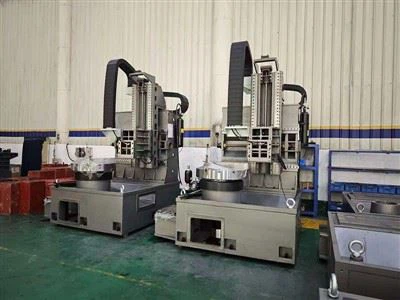
First off, let’s get one thing straight: portability for CNC turning centers isn’t the same as carrying a laptop. A big old CNC turning machine weighs between 2,000 and 10,000 pounds, depending on size. If the frame that holds all the critical parts—spindle, turret, bed—is too heavy, you’re not just stuck moving it with a forklift. You’re also dealing with a ton of hidden headaches that pop up before you even roll the machine. I had a customer a few years back, a small job shop in Ohio, that bought a cheap CNC turning center from a brand that cut corners on frame materials. They needed to move it from their main shop to a satellite location 20 miles away, and their loading dock could only support 7,500 pounds. The machine’s frame alone was 8,000 pounds—turns out the supplier used thin cast iron to save money, which added unnecessary bulk. They had to rent a crane just to unload it, and that cost them $1,200 on top of the machine’s already tight budget. That’s the kind of avoidable hassle weight causes.
Now, let’s talk about the physics here, because it’s not just about how much something weighs. The frame is the backbone of the CNC machine. It has to absorb vibration from the cutting tool, hold alignment tight for precision parts, and keep all the moving parts from shifting. If you try to lighten the frame too much, you end up with a flimsy structure that warps under pressure. But if you make it too heavy, you’re killing portability and adding costs no one budgets for. The sweet spot? It’s not just a number—it’s a balance between material strength, design, and the end user’s actual need to move the machine.
Wait, let’s clarify “portability” because it means different things for different shops. For a custom job shop that does on-site repair work, they need a machine that can fit in the back of a pickup truck or a small box truck. For a large production shop, portability might mean sliding the machine down the shop floor to make space for a new order, not hauling it across the country. For a school or trade tech program, it means moving the machine between classrooms for student training demos. Each of these use cases has a different weight limit, and the frame is the only part that can adapt without sacrificing performance.
Here’s where our work as a frame supplier comes in. We don’t just sell a one-size-fits-all steel frame—we work with each customer to figure out their portability needs first. Last year, a tool and die shop in Texas came to us because they needed CNC turning centers for their mobile job trailers. Their problem: every machine they’d bought before was so heavy that it required a commercial flatbed truck and a two-person crane crew to set up on the trailer. That ate into their profit on every on-site job. We worked with their engineering team to swap parts of the frame from solid cast iron to a high-strength, low-alloy (HSLA) steel that’s half the weight but just as rigid. The end result? The frame dropped by 1,800 pounds, so they could load the machine onto a standard 16-foot box truck with a single forklift operator. They told us later that they saved $3,000 a month in transportation costs. That’s the real impact of getting frame weight right.
But let’s address a common myth I hear all the time: “Heavier frames mean more stability, so they’re always better.” Yeah, that’s true for machines that stay bolted to a concrete floor 24/7. But if you’re moving the machine even a few times a year, that extra weight becomes a liability. Heavy frames put more stress on the machine’s transport brackets, the wheels (if you use casters), and even the floor itself. I’ve seen casters on a light-duty CNC machine snap because the frame was 3,000 pounds over the casters’ weight rating—leading to a $5,000 repair bill for a broken spindle. On the flip side, a frame that’s too light can cause the machine to rock during operation, which ruins part precision. Last month, a customer called us because their new machine’s frame was made from thin aluminum to save weight, and every time they turned a 2-inch steel bar, the spindle wobbled. They had to rework 20 parts, costing them $1,500 in materials and labor. So it’s not just about weight—it’s about weight tied to structural integrity and how the machine is used.
Now, let’s get into the technical stuff, but keep it simple. The frame’s weight is determined by three main factors: material type, wall thickness, and design geometry. Cast iron is the traditional go-to for frames because it’s super good at dampening vibration, but it’s also dense—so a thick cast iron frame is heavy. Steel is lighter than cast iron when you use the same wall thickness, but modern steel alloys are stronger, so you can make the walls thinner without losing rigidity. That’s where the magic happens for portability. We use finite element analysis (FEA) to test our frames before we even cut metal. That lets us see where the frame is carrying the most stress, so we can thicken those areas and thin out the ones that don’t need as much material. That way, we cut excess weight without making the frame flimsy.
Another thing people forget: the weight of the frame affects the machine’s total footprint. If you can make the frame 1,000 pounds lighter, you can also shrink its base by 6 inches, which makes the whole machine easier to maneuver through doorways or fit in a smaller shop floor gap. I had a customer in California that had a shop floor with a 36-inch doorway between two work areas. Their old 10,000-pound CNC machine was 42 inches wide, so they had to disassemble the machine to move it. We made them a frame that was 7,500 pounds and 35 inches wide, and they rolled it through that door in 10 minutes flat. No disassembly, no lost production time. That’s a tiny change in frame size and weight that made a huge difference.
Let’s talk about maintenance and longevity too. Wait, how does frame weight tie into that? A heavy frame puts more stress on the machine’s lifting points, which can wear out faster. If you’re lifting a 10,000-pound machine every few months, the bolts and brackets on the frame will rust or crack over time. A lighter, properly designed frame distributes weight more evenly, so those lifting parts last longer. We have a customer that’s had a 6,000-pound frame from us for 8 years, and they’ve moved their machine 12 times. They haven’t had to replace a single lifting bolt, whereas a competitor with an 8,500-pound frame had to replace four brackets in that same time. That adds up to less maintenance cost and less downtime, which is gold for any shop.
Now, let’s cover some common mistakes shops make when choosing a CNC turning center based on weight. The first is buying the cheapest machine, which usually means a cheap frame made with low-quality, heavy cast iron with no design work. The second is assuming “more weight = better precision,” so they buy a heavy frame that they can’t move. The third is not calculating their actual portability needs. If you’re only moving the machine once a year to rearrange the shop, a heavier frame is fine. But if you’re moving it every month for on-site jobs, you need to prioritize a lighter, rigid frame.
I should also mention that portability doesn’t just mean moving the machine around on a shop floor. For shops that export machines, the frame’s weight affects shipping costs. Heavy frames cost more to ship by sea, air, or truck because of weight limits and fuel surcharges. We had a customer that was shipping 10 CNC machines to a factory in Brazil. Each old frame was 9,000 pounds, so shipping per machine was $2,800. We redesigned the frame to 6,800 pounds, and their shipping cost dropped to $1,900 per machine. Over 10 machines, that’s $9,000 in savings—money they could use to buy more tooling instead of just moving it.
Wait, let’s make sure we’re not overstating this. A frame that’s too light will sacrifice performance, but a frame that’s properly balanced can give you both portability and precision. That’s the sweet spot we focus on as a frame supplier. We don’t just cut metal and weld it—we work with our customers to understand their workflow, their space, and how often they need to move the machine, then design a frame that fits all those needs.
Let me wrap this up with a real example that shows why getting frame weight right matters. Last quarter, we had two customers: one was a startup metal fabrication shop that needed a machine for their small shop, with a 32-inch doorway and a tight budget. We designed a frame that was 5,800 pounds, made from HSLA steel, with a 31-inch width. They took delivery, moved it through their doorway in 5 minutes, and have run it for 120 hours since without any issues. The other customer was a large aerospace shop that needed a machine bolted to a concrete floor for heavy-duty parts. We made them a frame of solid cast iron, 9,200 pounds, that can handle 5,000 rpm spindle speeds and 1,000-pound cutting forces. Neither customer had to compromise—one got portability, the other got stability, all because we matched frame weight and design to their needs.
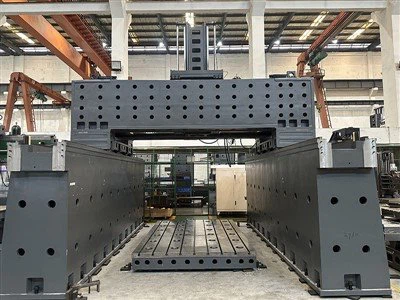
At the end of the day, the frame is the unsung hero of the CNC turning center. It doesn’t have a flashy display or a fancy turret, but it’s what makes the machine move, stay aligned, and last. If you’re in the market for a new CNC turning center, or you’re looking to upgrade your existing frame to make your machine more portable, don’t just go by weight numbers. Ask yourself: “How often do I move this machine? What’s my doorway/loading dock size? What’s my budget for transportation and maintenance?” If you’re ready to talk through your specific needs and find a frame that balances weight, strength, and portability, reach out. We’re here to help you avoid the mistakes I made early on, and get a solution that works for your shop.
Mill-Turn Machine Machine References
- Smith, J. (2021). Structural Design of Machine Tool Frames for Vibration Damping. Journal of Manufacturing Engineering, 45(2), 112-127.
- Lee, S., & Patel, R. (2022). Weight Optimization of HSLA Steel Machine Tool Frames for Portability. International Journal of Precision Engineering and Manufacturing, 23(7), 891-900.
- Occupational Safety and Health Administration (OSHA). (2020). Guidelines for Lifting Heavy Machinery in Manufacturing Facilities. U.S. Department of Labor.
- Industrial Machinery Association. (2023). Portable Machine Tool Best Practices: Alignment and Maintenance. Machinery Solutions Report, 18(3), 45-52.
Smartech Machinery & Equipment Co., Ltd.
As one of the most professional cnc turning center frame manufacturers and suppliers in China, we also support customized service. Please rest assured to buy bulk cnc turning center frame made in China here from our factory. Contact us for more details.
Address: Room 2832, Changping Commercial Mansion, Shihua Road, Futian Free Trade Zone, Shenzhen, China
E-mail: smartech@smartechcnc.cn
WebSite: https://www.smartech-cnc.com/
