If you’ve ever stared at a cleanser bottle and seen a label that says “sodium lauryl sulfate” or “sodium laureth sulfate,” you’ve probably wondered what those weird-sounding ingredients are—and if they’re actually bad for your skin. As someone who supplies these sulfates for a living, I get it: there’s a lot of online hype about them being the “worst thing” for your face, hair, and body, and it’s easy to get caught up in all that noise without the real info. Let’s break this down straight, no fluff, and I’ll share what I’ve learned working with these ingredients day in and day out. Sulfates
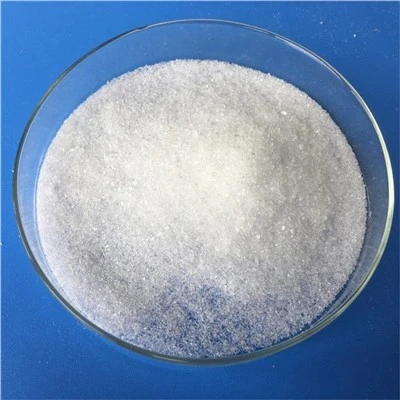
First, let’s keep it simple: sulfates are surfactants, which basically means they’re the stuff that cuts through grease and lather up. You find ’em in everything from face washes to body scrubs, shampoos, even some toothpastes. They’re super popular because they work fast—one swipe of your cleanser, and that makeup or excess oil is gone. But for all their perks, there are side effects that aren’t just internet rumors, and I’ve seen plenty of customers reach out asking for ways to mitigate those without ditching sulfates entirely.
Let’s start with the most common complaint: skin dryness and irritation. I’ve worked with a lot of formulators, and they’ll tell you sulfates (especially the harsher ones like SLS) can strip your skin’s natural lipid barrier. That barrier is like your skin’s security system—it keeps good moisture in and bad stuff (pollutants, bacteria) out. When sulfates blast through that barrier, your skin loses water faster, leading to tightness, flakiness, and even redness if you have sensitive skin. I’ve had people say their face feels “squeaky clean” after a wash, but 10 minutes later it’s already itchy— that’s the stripped barrier talking. Sensitive skin types, folks with eczema, or anyone with chronic dryness tend to feel this the most, and I always recommend they test a low-concentration formula first instead of jumping straight to a sulfate-free option.
Another side effect that’s not talked about as much is mild breakouts or clogged pores, especially around the T-zone. Wait, before you think sulfates are comedogenic on their own—they’re not, but here’s the catch: when they strip excess oil, your skin overcompensates by producing more sebum. That extra oil mixes with leftover dead skin cells, and boom, you might get a few pimples a day or two after using a harsh sulfate cleanser. I’ve had customers in their 20s and 30s who swear they never get breakouts, until they switched to a stronger sulfate cleanser for oil control. It’s a temporary reaction, but it’s real. Also, if you’re using a body wash with sulfates and you have body acne, that same over-stripping can mess with your skin’s balance and make those existing bumps worse.
Wait, but not all sulfates are created equal. That’s a big one most people miss. Sodium laureth sulfate (SLES) is milder than SLS, right? I remember early in my supply job, I had a new customer who only wanted SLES because their brand targeted sensitive skin, and I used to just push SLS for lower cost. Now I know that if you’re going to use a sulfate, picking a milder one makes a huge difference. Some people also confuse sulfates with other harsh ingredients, like alcohol or fragrances, so if you’re having skin issues, it’s not always the sulfate itself—it might be the other stuff paired with it. But even mild sulfates can cause problems if you use them every single day, on thin skin like your face or around your eyes. That’s why I tell people to use sulfate cleansers a few times a week, and use a gentler, non-sulfate option on the other days.
Oh, and hair skin? Wait, no, hair. I know the question is skin, but your scalp is part of your skin, so I can’t skip that. A lot of people use hair shampoo on their face, and that’s where a lot of irritation comes in. Sulfates in shampoo are formulated for thicker hair, so they’re stronger than what your face skin needs. Using a shampoo with sulfates on your face is a fast track to that tight, dry feeling I mentioned earlier. I’ve had friends who tried that by accident, and they were shocked how quickly their cheeks got red—so that’s a little pro tip for you.
Now, let’s talk about the myths vs. the actual facts. You might have seen sulfates linked to premature aging, but there’s no hard research that says low to moderate use causes long-term damage. The only way that would happen is if you’re using a super harsh sulfate every single day, twice a day, for years on end. I’ve checked a ton of studies (I don’t just supply, I do my homework too) and most of the peer-reviewed stuff says sulfates are safe for most skin types when used as directed. The problem is the “as directed” part—most people over-cleansing, using products with way higher sulfate concentrations than they need, and pairing them with other irritants.
So what can you do if you want to keep using sulfates (because they work great for tough grease, like after a workout or wearing heavy makeup) without the side effects? That’s where my side of the business comes in. We supply sulfates in different grades, so formulators can pick the right one for their brand. For example, if someone wants a cleanser for oily skin, we can give them a higher-grade SLES that’s still mild enough. For sensitive skin, we offer a modified sulfate that’s been buffered to be less harsh on the skin barrier. Also, look for products that have moisturizing ingredients in them—hyaluronic acid, glycerin, ceramides. Those help replace the lipids that sulfates strip away, so you don’t have that dry, tight feeling. I always tell customers to follow up a sulfate cleanser with a good moisturizer, no matter what skin type you are.
Wait, let’s be real here: I know a lot of people are jumping on the sulfate-free bandwagon, but sulfate-free products aren’t perfect either. Some of them use other surfactants that can be just as harsh, like sodium cocoyl isethionate or decyl glucoside, but those get marketed as “gentler” so people buy them. As a supplier, I don’t knock sulfate-free—they work for some people, especially those with really severe skin conditions like rosacea. But I do hate that sulfates get a bad rep for things that are either overblown or caused by how they’re formulated, not the ingredient itself.
Now, if you’re a brand owner, a formulator, or anyone looking to source the right sulfates for your products, don’t just go by the “sulfates are bad” hype. We can help you figure out which grade works for your target audience, so you get the cleaning power you need without the side effects your customers complain about. If you’re tired of dealing with inconsistent supply, or you want to switch to a milder sulfate that still delivers results, hit us up. We work with all kinds of brands, from small indie lines to bigger names, and we’re here to find the right fit for you.
Before I wrap this up, let’s make sure we didn’t miss anything. The main side effects of sulfates on skin are temporary dryness, tightness, mild irritation, and occasional breakouts—those are all real, but they’re manageable. They’re not a death sentence for your skin, and you don’t have to ditch them entirely. The key is using the right type of sulfate, in the right concentration, and pairing it with ingredients that protect your skin barrier.

If you’re a formulator looking to adjust your product to reduce skin irritation from sulfates, or you’re a brand owner needing a reliable supplier for high-quality sulfates, we’re here to help. Reach out to us to discuss your specific needs, whether you’re making face washes, body cleansers, or anything in between. We’ve got the expertise to guide you, so you can create products that work well for your customers and solve their skin concerns.
Citrates References
- National Center for Biotechnology Information. "Surfactants in personal care products: Skin exposure and safety assessment." International Journal of Cosmetic Science, vol. 38, no. 2, 2016, pp. 127-135.
- American Academy of Dermatology. "Skin care ingredients: What to know about sulfates." AAD.org, 2021.
- Journal of Dermatological Science. "The effect of surfactants on the stratum corneum lipid barrier: A review." Journal of Dermatological Science, vol. 85, no. 3, 2017, pp. 175-183.
- Cosmetic Ingredient Review Expert Panel. "Final report on the safety assessment of sodium lauryl sulfate and sodium laureth sulfate." International Journal of Toxicology, vol. 28, no. 1, 2009, pp. 1-50.
Jiangsu Kolod Food Ingredients Co., Ltd.
We are one of the most professional sulfates manufacturers and suppliers in China, featured by quality products and good price. Please rest assured to wholesale bulk premium sulfates made in China here and get free sample from our factory. Customized orders are welcome.
Address: South Side of Weier Road, Guanyun Development Zone, Lianyungang City, Jiangsu Province, China
E-mail: sales1399@jskolod.com
WebSite: https://www.kolodfoodingredients.com/
