Let’s cut to the chase: if you’ve ever frozen mid-camping trip because your 12V fridge died, missed your morning alarm for a day hike, or spent 20 minutes fumbling with a dodgy generator that smelled like a gas station and woke up every camper within 50 feet, you’ve probably wondered: are portable power stations actually worth the hype? As a camping power stations supplier who’s talked to hundreds of campers this year, I’m here to break this down the way we do with our own families when we test gear: no fluff, no sales tricks, just real pros, small cons, and the honest answer. Camping Power Stations
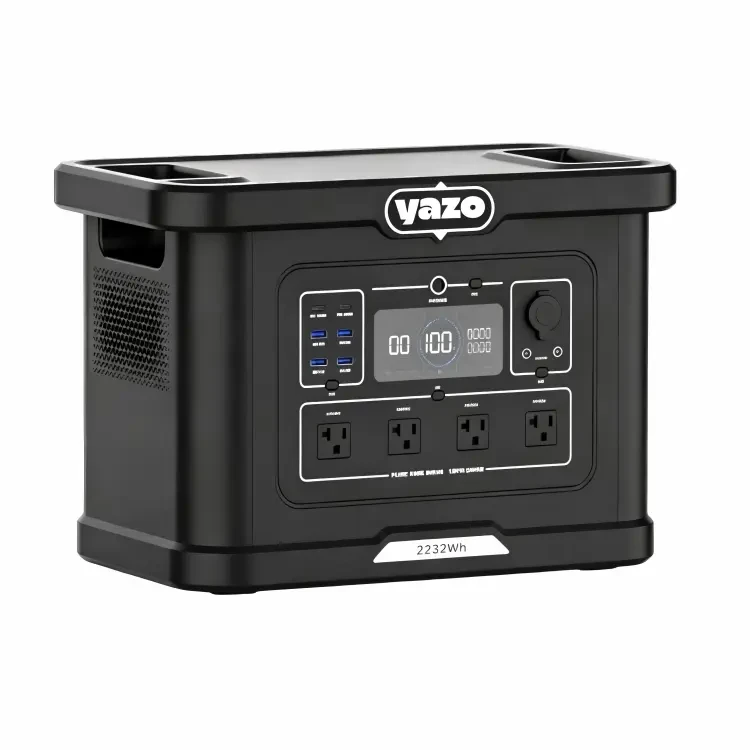
First, let’s get one thing straight: portable power stations (let’s just call ’em PPS for short, because typing “portable power station” 10 times is annoying) aren’t just for glampers. A lot of people think they’re overpriced novelty items for people who hate roughing it, but that’s not true at all. Let’s start with the biggest win: power flexibility. When you’re car camping, you can plug just about anything that runs on regular AC power into a PPS—your phone, your laptop for editing camping reels, that small electric coffee maker that makes way better lattes than the campfire French press you burned twice last summer, or even a mini space heater for those chilly fall nights when your sleeping bag only goes down to 40°F. For backpackers? Sure, you don’t need a 2,000-watt behemoth, but the smaller, 100-watt models work for charging a headlamp, a portable fan, or a satellite communicator—way more reliable than fumbling with a hand crank that never seems to turn right when your hands are cold.
Wait, let’s talk about generators, because that’s the big old alternative. I’ve heard so many campers say, “Why not just bring a gas generator?” Let’s list the cons of gas gensets first, ’cause PPS beat ’em here hands down. First, noise. A standard gas generator is about as loud as a vacuum cleaner—so if you’re camping in a national park where quiet hours start at 10 PM, you’re gonna get a noise complaint (or a fine, depending on the site). PPS? When they’re running, they’re almost silent. I’ve had campers tell me they set theirs up at their campsite and didn’t even hear it next door. Second, fumes. Gas generators put out carbon monoxide, which is basically a silent killer—you can’t smell it, and if you run one in a tent or even a small clearing next to your tent, you’re looking at serious health risks. PPS are electric; no emissions, zero fumes, so you can set ’em up right outside your tent without a care. Third, maintenance. Gas generators need oil changes, gas stabilizer added if you don’t use ’em for a month, and you have to haul heavy gas cans around. PPS? Just charge ’em up at home, plug into a car’s 12V port on the way to the campground, or even add a cheap solar panel to top ’em off while you’re hanging out by the lake. No gas, no oil, no mess.
But hold on—let’s not pretend PPS are perfect, because they do have limits. The biggest one people complain about is battery life. A 500-watt-hour PPS (that’s a pretty standard mid-size one for car camping) might run a 100-watt fridge for 4 hours, or a laptop for 10 hours, but if you’re running multiple big items—say, a fridge, a heater, and a TV for a movie night—you’ll drain that battery in like 2 hours, easy. That’s where the solar panels come in, but not everyone brings those, and small, cheap solar panels don’t work super well on cloudy days. Another con? Weight and size. If you’re backpacking, a 100-watt PPS is manageable, but a 2,000-watt model for a family of 4 is like 30 pounds—way heavier than a 5-gallon gas can. And yeah, they’re more expensive upfront than a cheap gas generator or even a bunch of rechargeable batteries, but let’s do the math: a good PPS lasts 5-10 years, right? A gas generator? Maybe 2-3 years if you take care of it, plus you’re buying gas every time you go camping, which adds up fast. We’re talking $50-$100 in gas per camping trip for a big generator, vs. almost nothing to charge a PPS at home (your electric bill goes up like $2 a month, tops).
Wait, let’s get into real-world examples, because that’s what matters. Last summer, we had a couple come into the warehouse asking about a PPS—they were going to Yellowstone for a week, camping at a site with no hookups, and they had a kid who needed to run a small CPAP machine every night. (Side note: CPAP machines are a super common use case for PPS, and most models are compatible, as long as you check the wattage.) The guy told us he tried a gas generator before, but rangers ticketed him for noise after a neighbor complained at 11 PM. He got a 300-watt PPS, charged it at home, and used it for the CPAP, a phone, and a mini fan. He texted us on day 4 saying it worked way better than he expected, and they even used it to charge their camera batteries for hiking. Another example: a group of friends who go backpacking every month. They used to bring a big bag of AA batteries for all their headlamps, cameras, and GPS—cost them like $40 a trip, and half the time a battery dies right when you need it. Now they split a 100-watt PPS, charge it once at the trailhead, and it lasts the whole weekend. That’s a no-brainer, right?
A lot of new campers also worry about how to use a PPS safely. Let’s clear that up real quick. First, don’t overload it—every PPS has a max wattage, so if you try to plug a 1500-watt space heater into a 500-watt PPS, you’re gonna trip the circuit breaker. Second, don’t leave it in a hot car for hours—batteries hate extreme temperatures, so if you’re driving to a campground in 90°F weather, keep it in the backseat, not the dashboard where it’s 120°F. Third, make sure you’re charging it with the right charger—some cheap outlets at campgrounds (the 12V ones in parking lots) are finicky, so use the charger that came with your PPS, not a random phone charger that doesn’t match. We’ve had a few customers bring in chargers they fried by using the wrong one, so that’s a quick tip.
Wait, what about if you’re car camping at a developed campground with hookups? Do you even need a PPS? Yeah, actually—if your campsite has a 30-amp or 50-amp hookup, but there’s a storm that knocks out the park’s power for 2 days, a PPS will keep your fridge and lights running until the power comes back. Or if you’re boondocking—camping in a primitive site with no hookups—PPS are basically your only option for clean, quiet power without dealing with gas. That’s why boondockers are some of our biggest customers; they use PPS all the time to run their appliances, phones, and even small power tools for setting up their campsite.
Now, let’s talk about the myths that keep people from buying a PPS. First myth: “They’re only for rich people.” No, we have models starting at $150 for a 100-watt model that’s perfect for backpackers, up to $1,500 for a 2,000-watt model for big families. If you camp 4 times a year, that $150 model will pay for itself in 2 trips, vs. buying $40 in batteries every time. Second myth: “They’re not powerful enough for anything big.” If you get a 1,000-watt model, you can run a microwave, a 12V fridge, space heaters, and even a small electric grill. I’ve had customers run a 1,200-watt electric grill for burgers at a campsite—worked like a charm, no charcoal, no smoke, no clean-up. Third myth: “Solar panels are a must.” Sure, they’re a great add-on, but if you have a way to charge your PPS at home, or plug it into your car’s 12V port while you’re driving to the campground, you don’t need solar. Solar just lets you top it off during the day if you’re staying for a week.
Okay, so let’s wrap this up: are portable power stations good for camping? The answer is, for most campers, yes—especially if you hate noise, fumes, and the hassle of gas generators, or if you’re boondocking. But they’re not for everyone. If you only camp once a year in a developed campground with hookups, and you just bring a tent and a sleeping bag, you probably don’t need one. If you’re a casual camper who brings a phone and a headlamp, rechargeable batteries are still fine. But if you’re someone who likes to have a little comfort on your trips, or if you camp in remote areas, a PPS will change your camping experience for the better.
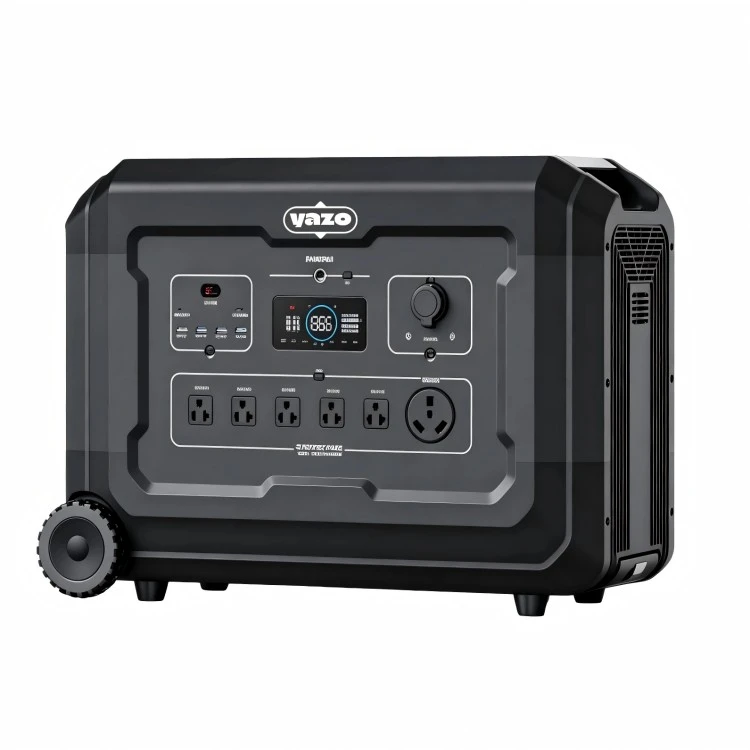
We’ve tested hundreds of these units in all kinds of conditions—rain, heat, cold, even dusty desert campsites—and the best ones last way longer than people think. The key is to pick one that matches your needs: don’t buy a 2,000-watt monster for a solo backpacking trip, and don’t buy a tiny 100-watt model for a family of 4. When you’re ready to find the right one for your trips, our team can walk you through all the options, answer any questions, and help you pick the perfect fit for your camping style. We work with campers of all levels, from first-timers who don’t know the difference between a watt and a volt, to seasoned overlanders who know exactly what they need, and we’re here to make sure you get something that works for you. Don’t hesitate to reach out to our team to chat through your needs and get all the details.
Home Backup Power Stations References
- National Park Service: Camping Quiet Hours and Noise Regulations
- Outdoor Industry Association: 2023 Camping Gear Survey, Portable Power Station Usage
- Consumer Reports: Portable Power Station Safety and Performance Testing
- International Energy Agency: Battery Storage for Recreational Power Applications
Overlooking Countless Small Mountains (Xiamen) Electric Power Technology Co., Ltd.
Overlooking Countless Small Mountains (Xiamen) Electric Power Technology Co., Ltd. is one of the most reliable camping power stations manufacturers and suppliers in China. With a professional production team, we are able to meet the needs of the majority of our customers. Please feel free to wholesale bulk high quality camping power stations made in China here from our factory.
Address: No.888, Tonglong 2nd Road, Xiamen Torch High-tech Industrial Zone (Xiang’an), Xiamen, Fujian, China
E-mail: admin@powerstationsupplier.com
WebSite: https://www.powerstationsupplier.com/
