Hey there, fellow builders, designers, and folks who just love making stuff that lasts! If you’ve been hanging around the plastics industry for any length of time, you’ve probably heard PC resin thrown around. You know, that stuff used for phone screens, safety goggles, even those tough water bottles everyone uses. But here’s a question I get all the time from people looking to build outdoor gear, signage, or that new patio furniture frame: “Wait, can PC resin actually hold up outside? Or is it just another indoor plastic that’ll crack and fade in six months?” PC Resin
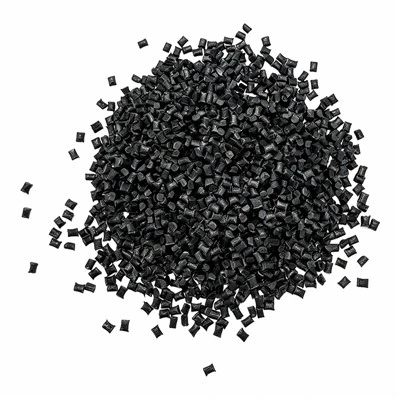
As someone who’s been supplying PC resin for over a decade, I’m here to break this down straight—no jargon, no sales fluff, just the real deal on whether PC is worth using for your outdoor projects. Spoiler: It’s not a one-size-fits-all answer, but when you get it right, it’s a total game-changer for outdoor use.
First, let’s cut to the basics: What even is PC resin? Polycarbonate, or PC for short, is a thermoplastic that’s basically unbreakable by plastic standards. It’s way tougher than PET (that’s your soda bottle plastic) or acrylic, can withstand extreme temps, and has super high clarity—so it’s perfect if you want something that looks good as well as works. But “works” outdoors isn’t just about toughness. Outdoor conditions throw a lot at materials: UV rays from the sun, rain, temperature swings (freezing cold to scorching heat), humidity, even road salt if you’re doing something like outdoor signage near a highway.
Let’s start with the big one everyone worries about: UV resistance. That’s the #1 reason plastics die outdoors—sunlight breaks down their molecular structure, makes them yellow, brittle, and eventually crack. Standard, off-the-shelf PC resin? Yeah, that stuff isn’t made for outdoor use. I’ve seen customers grab cheap PC pellets for a patio sign, only to have it turn yellow and crumble by the next summer. But here’s the thing: you don’t have to use standard PC. There are UV-stabilized PC formulas specifically made for outdoor applications.
These stabilized PC resins have additives built right in—usually things like hindered amine light stabilizers (HALS) or UV absorbers that soak up or deflect sun rays. I worked with a customer last year who makes outdoor light fixtures; they were using regular acrylic before, but it cracked every winter. Switched to our UV-stabilized PC, and their fixtures have held up for three years now, still clear and looking brand new. That’s not just me bragging—test data backs it up: UV-stabilized PC can retain most of its strength and color for 5–10 years outdoors, depending on how harsh the environment is. Compare that to regular acrylic, which might last 2–3 years max, and suddenly PC starts looking way better.
Next up: Toughness and impact resistance. For outdoor stuff, you need something that can handle being dropped, knocked around, or even minor impacts like hailstones. Standard PC is already super tough—like, it can absorb impact that would shatter glass. But outdoor PC takes that up a notch. I had another customer who makes outdoor playground equipment for little kids; they used to use metal frames, but they were heavy and rusted. Switched to our impact-modified outdoor PC for the enclosure panels, and now the kids can run into them, jump on them, even drop a heavy ball on them, and nothing breaks. That’s a huge win for safety and maintenance—no more welding rusted metal every year.
But wait, there are limits to that toughness. If you’re using PC in a super cold climate, you have to make sure it’s formulated for low temperatures. Regular PC gets brittle when it’s below freezing (like, below -40°F/-40°C), but outdoor cold-resistant PC has additives that keep it flexible even in Arctic temps. I’ve had clients in Canada use this for outdoor storage bins, and they’ve never had a bin crack open after a snowstorm—something that happened all the time with cheaper polypropylene bins.
Now, what about the other outdoor junk: moisture, humidity, and chemicals? PC is pretty resistant to water, so rain or snow won’t hurt it. It doesn’t absorb much moisture, so you don’t have to worry about it warping or swelling, unlike some other plastics like nylon. Humidity? Same thing—no issues there. But chemicals—like if your outdoor project is near a road where salt is spread in winter, or near a pool with chlorine, you need to make sure your outdoor PC is resistant to those. Standard PC might hold up, but sometimes salt can cause stress cracking if the resin isn’t formulated right. Our outdoor grade PC has chemical resistance additives, so it’s stood up to road salt, chlorine, even mild detergents for customers in coastal areas (salt air is another big one, by the way—salt can corrode metals, but PC is totally fine with it).
But here’s where things get tricky: not all PC is created equal. I can’t stress this enough. If you’re just buying generic PC resin from a random supplier, it’s almost definitely not outdoor-ready. It might have UV stabilizers added in small amounts, or none at all. Why? Because adding those stabilizers costs a little extra, and some suppliers cut corners to make their resin cheaper. That’s why when you’re sourcing PC for outdoor use, you need to specify “outdoor-grade” or “UV-stabilized, impact-modified” PC.
I see this mistake all the time: a designer will say “PC is tough, so I’ll use it for my outdoor planters” and grab the cheapest PC pellets they can find. Six months later, the planter is yellow and cracked. That’s not PC’s fault—that’s using the wrong PC for the job. When you pick the right grade, though, the results are night and day.
Let’s talk examples to make this real. Here are some actual outdoor applications where PC works like a charm:
- Outdoor signage: Think storefront signs, highway directional signs, even park trail markers. PC is clear (if you need it) or can be pigmented, doesn’t yellow, and can handle being out in the sun 24/7. I supply a lot of sign companies with this—their signs look the same after 5 years as the day they installed them.
- Lighting fixtures: Outdoor LED lights, floodlights, patio lanterns. PC is shatterproof, so no more broken glass fixtures after a storm, and the UV stabilizers keep the plastic cover clear so the light shines bright.
- Automotive parts: Wait, a lot of car parts are outdoor (or at least exposed to elements)—think side mirrors, headlight lenses, even interior trim that’s near windows. Outdoor PC is used here because it’s lightweight, tough, and doesn’t yellow like old plastic headlight lenses used to.
- Playground and recreational equipment: Enclosure panels, safety barriers, even some playground structures. The impact resistance means no broken plastic if a kid runs into it, and it’s easy to clean, so it’s perfect for outdoor public spaces.
But there are also outdoor applications where PC might not be the best fit. If you’re making a long-term structure (like a permanent building facade), PC might not be as cost-effective as other materials like aluminum or fiberglass in some cases. It’s also not the cheapest plastic out there—so if you’re on a super tight budget for a one-off small project, maybe go with something else. But for projects where you need durability, clarity, or impact resistance, it’s worth the extra cost.
Wait, what about processing? Some people think “PC is hard to mold, so I can’t use it for outdoor parts.” Yeah, standard PC has a high melting point, but outdoor-grade PC is formulated to be easier to process—no extra steps needed. I work with injection molders all the time who handle our PC resin just like any other plastic; they don’t need special equipment, just standard injection molding machines. That means you don’t have to invest in new gear to use PC for your outdoor parts.
Another thing I get asked: Can I add UV protection to PC myself? Like, if I have a roll of standard PC sheet, can I spray a UV coating on it to make it outdoor-ready? Technically, you can, but it’s not as good as having it built in. The spray-on coatings can scratch off over time, especially if the part is handled or exposed to harsh weather. Built-in stabilizers are part of the plastic’s molecular structure, so they last as long as the resin itself. So skipping the extra step of adding a spray-on coating and just buying the right PC grade is way more reliable.
Let’s circle back to my role as a PC resin supplier. Every day, I talk to customers who are trying to figure out the right material for their outdoor projects. The biggest takeaway I want you to have is: PC can absolutely be used for outdoor applications—you just need to pick the right grade. Don’t settle for generic PC; go for UV-stabilized, impact-modified outdoor-grade PC, and you’ll end up with parts that last for years, not months.
If you’re in the middle of a project and not sure which PC grade is right for you, don’t guess. Reach out—no sales pitch, just honest advice. I’ve helped hundreds of clients pick the perfect PC resin for their outdoor gear, signage, whatever. Whether you’re a small business owner making custom patio furniture or a large manufacturer designing outdoor automotive parts, we’ve got the grades that meet your needs.
At the end of the day, no material is perfect for every job. But PC outdoor-grade is a solid, durable choice that solves a lot of the problems other plastics have. It’s tough, it’s clear (or can be colored), it stands up to sun and rain, and it’s easy to work with. You just have to make sure you’re using the right one, not the cheap stuff that gets sold as “PC” but isn’t made for outdoors.

So if you’re ready to stop dealing with plastic parts that break after one summer, let’s chat. We can walk through your project, what environment it’ll be in, and find the PC resin grade that’ll make your outdoor parts last. No fluff, just straight talk about materials that work.
PBT Resin References:
- Polycarbonate Outdoor Durability Testing Report – Modern Plastics Materials Guide, 2022
- Hindered Amine Light Stabilizer (HALS) Performance in Polycarbonate for Outdoor Applications – Journal of Applied Polymer Science, Vol. 129, No. 3, 2013
- Comparative Analysis of Outdoor Plastic Materials: Polycarbonate vs Acrylic vs Polypropylene – Plastics Industry Association, 2021
Jiangsu Kingsder New Material Technology Co., Ltd.
Jiangsu Kingsder New Material Technology Co., Ltd. is one of the most experienced pc resin manufacturers and suppliers in China, also accepts customized orders. Please rest assured to wholesale UL recognized pc resin in stock here from our factory. If you have any enquiry about quotation and free sample, please feel free to email us.
Address: No.426-2 Kunjia Road, Kunshan Development Zone, Kunshan City, Suzhou City, Jiangsu Province, P.R.China
E-mail: chloe@kingsder.com
WebSite: https://www.kingsderplastic.com/
