As a supplier of PVC, latex, and TPU disposable products, I’ve spent years working with medical, laboratory, and foodservice teams to solve a problem that trips up so many buyers: getting the right fit for disposables. A ill-fitting glove, catheter, or gown doesn’t just cause annoyance—it can lead to contamination, reduced protection, or even wasted product. Today, I want to pull back the curtain on how we guide our customers to nail the fit for each material, because one size never fits all when it comes to PVC, latex, and TPU. disposables in pvc / latex / tpu
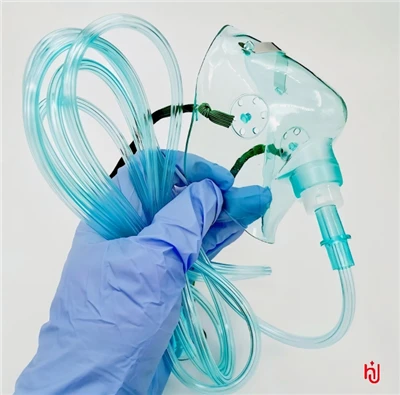
First, let’s break down the unique properties of each material, because that’s where fit starts. PVC (polyvinyl chloride) is a rigid, durable plastic that’s often used for heavy-duty disposables like industrial gloves or medical gowns. Latex, a natural rubber derived from rubber trees, is stretchy and conforms to body shape, making it a go-to for exam gloves. TPU (thermoplastic polyurethane) is a flexible, abrasion-resistant plastic that balances durability with a soft feel, perfect for things like IV catheters or food-handling gloves. Each of these materials behaves differently when stretched, pulled, or heated, so the fit testing you do for one won’t work for the others.
Let’s start with the most common disposable we supply: gloves. When customers come to us asking about glove fit, we first ask about two things: the hand (or application) size and the material’s stretch memory. For latex gloves, which have excellent elastic memory, the fit is all about snugness—too loose, and you get roll-down cuffs that let contaminants in; too tight, and the latex will snap with even minor movement. For PVC gloves, though, the story is different. PVC is less elastic than latex, so if you size for a snug latex fit, your PVC glove will feel restrictive and tear during long use. We recommend that for PVC gloves, you size up by half a size to allow for the material’s lower stretch, especially for industrial workers who wear gloves for 8+ hours a day. One customer told us last quarter that they were going through 30 pairs of PVC gloves a week because they were sizing too small—after switching to a half-size larger, their tear rate dropped by 70%, and employee satisfaction went up. That’s the kind of real-world win we love to see.
Then there’s TPU gloves, which are often used in food processing where durability and hygiene are key. TPU has a stretch profile that’s between latex and PVC, so we tell customers to size for a medium between the two—if they’re between a medium and large in latex, go with a medium in TPU, not a large. What’s tricky about TPU is that it doesn’t stretch evenly across the palm, so if your hand is wider at the knuckles, you need to prioritize knuckle fit over palm fit. A lot of customers only measure palm circumference, but for TPU, we suggest testing the glove on with a fist clenched—if it feels tight there, size up. We had a bakery client that was having issues with TPU gloves tearing when workers lifted heavy dough; once they started doing the fist test during fit checks, their glove failures dropped by half.
It’s not just gloves, though. We also supply disposable gowns, which are often PVC or TPU. Latex gowns are less common here, since latex can cause allergies, but we do carry them for specialty labs. For gowns, fit is about coverage and mobility. PVC gowns are stiffer, so we advise choosing a size that allows for movement—if you’re between a medium and large, go with a large, because a too-tight PVC gown will restrict bending, which is a hazard in surgical or lab settings. TPU gowns, on the other hand, are more flexible, so you can size closer to your regular clothing size. The key here is to check the cuff length: for gowns that need to cover the wrists, PVC cuffs tend to be shorter, so if you have longer arms, you might need to size up to get the right coverage. One surgical team told us that their old PVC gowns kept slipping up their forearms during procedures; after switching to a size larger, the cuffs stayed in place, and they didn’t have to adjust them mid-surgery as often.
Another often-overlooked disposable is catheters, where fit can be a matter of safety as much as comfort. For catheters made of PVC, latex, or TPU, the fit is all about diameter and length. Latex catheters are the most flexible, so they’re often used for patients with narrow urethras, but they can irritate if they’re too long. PVC catheters are stiffer, so they need a precise diameter—too wide, and they cause trauma; too narrow, and they can’t drain properly. TPU catheters are a middle ground, with better biocompatibility than PVC, so we recommend TPU for patients who have allergic reactions to latex. When we work with healthcare facilities on catheter fit, we provide a quick guide: measure the patient’s urethral length (using a simple tape measure or our sizing chart) and match it to the catheter’s length, then check the diameter based on the patient’s weight—smaller for pediatric patients, larger for adult males. A hospital client told us that they used to have a 15% rate of catheter irritation in pediatric patients; after switching from PVC to TPU catheters and adjusting the size based on weight, that rate dropped to 2%.
Now, let’s talk about a common mistake we see: relying on universal sizing charts, or assuming that all disposables are the same size regardless of material. A lot of customers will order a medium PVC glove and a medium latex glove, and wonder why the PVC one is too tight. That’s because each manufacturer’s sizing is a bit different, but more importantly, the material’s properties change how that size fits. We always provide material-specific sizing guides on our website, but we also advise customers to do a small fit test before placing a large order. For gloves, that means ordering 5 pairs each of small, medium, and large in all three materials, testing them for 1-2 shifts, and measuring things like tear rate, comfort, and coverage. For gowns, that means having a few team members try on different sizes and materials to see which works best. We had a construction company that ordered 10,000 pairs of latex gloves before realizing they were too stretchy for their heavy lifting; after doing a 50-pair fit test with PVC, they switched and saved thousands on wasted product.
Another tip: consider the environment the disposables will be used in. PVC becomes stiffer in cold temperatures, so if you’re using disposables in a cold storage warehouse, you might need to size up for PVC gloves, since they won’t stretch as much in the cold. Latex, on the other hand, stays stretchy in cold, so you can stick to your regular latex size. TPU holds up well in both hot and cold, so it’s a versatile option for spaces with extreme temperatures. One logistics client that works in both cold storage and warm loading docks switched to TPU gloves across the board, and reported that they didn’t have to adjust sizes based on temperature anymore, which simplified their ordering process.
Allergies are also a factor in fit, believe it or not. Latex can cause allergic reactions, so many customers switch to PVC or TPU, but those materials have different fit characteristics. If someone has a latex allergy, they might not be able to wear a latex glove, but they also might find that PVC is too stiff, so TPU is a better fit. We work closely with customers to test small batches of all three materials for allergy-prone employees, because a glove that fits well but causes a rash is useless. A lab that had 3 workers with latex allergies tried PVC gloves first, but they felt too restrictive; after switching to TPU, those workers could do their jobs comfortably, and there were no more allergy-related absences.
Now, what about when a customer gets the fit wrong? It’s not the end of the world, but it can be avoided. We have a team of customer service specialists who are trained to help with fit issues, and we offer size exchanges for unopened boxes of disposables that don’t fit. Last year, a restaurant chain ordered 50,000 TPU gloves that were too small; our team worked with them to exchange half for a larger size, and provided a free sample kit to help them test the right size for their kitchen staff. That kind of support is what sets us apart from other suppliers, because we don’t just sell product—we solve problems.
Let’s wrap this up with a quick checklist for ensuring proper fit, material by material:
For PVC Disposables (gloves, gowns, tubing):
- Size up by half a size from your standard clothing or latex glove size, to account for lower stretch.
- Prioritize mobility and coverage—avoid sizes that feel too tight, as PVC can tear easily under tension.
- Adjust for temperature: size up in cold environments, since PVC becomes stiffer when chilled.
For Latex Disposables (gloves, exam supplies):
- Size snugly, but not tightly—latex has good elastic memory, so a snug fit will conform to shape.
- Test for stretch across all areas: palm, fingers, and wrists, to make sure there’s enough give for movement.
- Avoid if allergies are a concern, as latex reactions can cause skin irritation.
For TPU Disposables (gloves, catheters, food service products):
- Size in between your standard latex and PVC sizes—halfway between a medium and large in latex will likely be a medium in TPU.
- Test for knuckle and finger fit, since TPU stretches unevenly across narrow areas.
- Use for applications with extreme temperatures or allergy concerns, as it balances flexibility and durability.
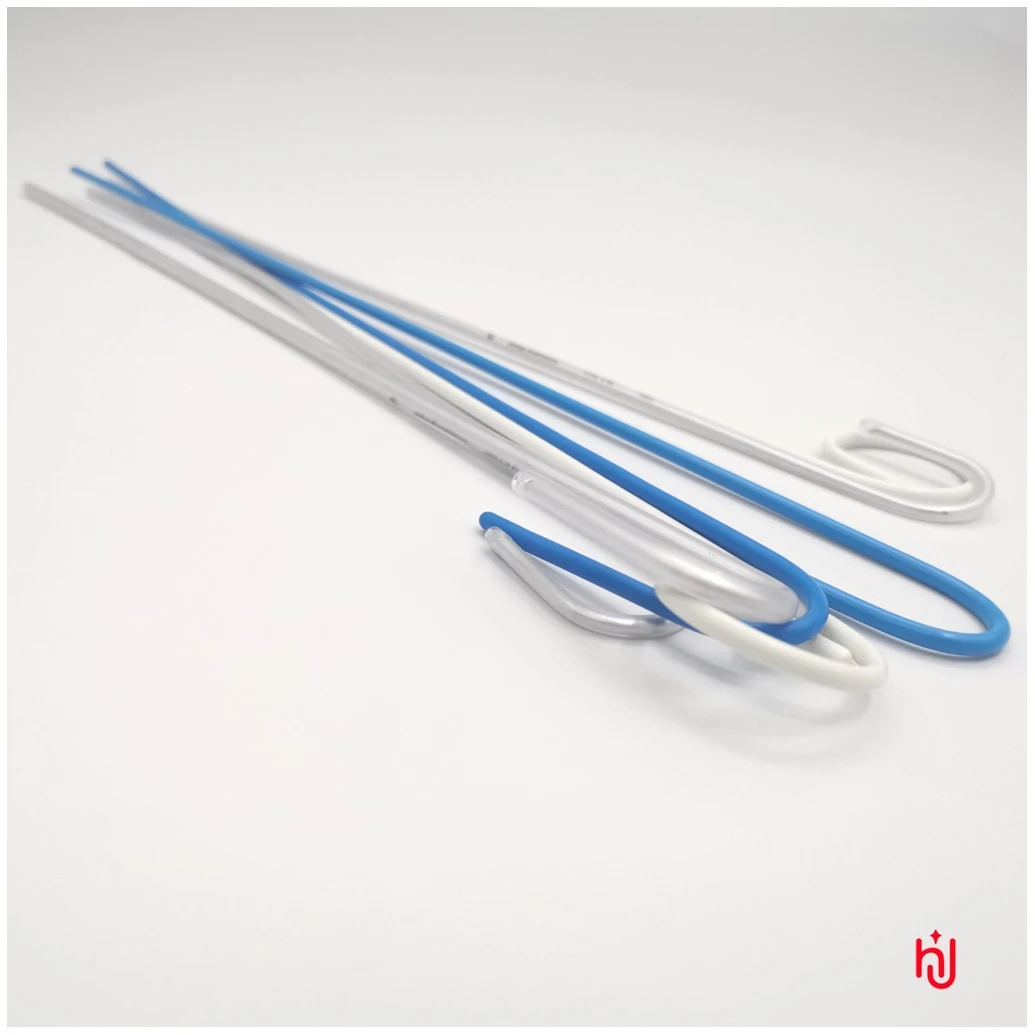
At the end of the day, proper fit isn’t just about comfort—it’s about safety, efficiency, and cost savings. Ill-fitting disposables lead to waste, product failures, and even workplace injuries, so taking the time to get the right size for each material pays off in the long run. If you’re tired of dealing with ill-fitting PVC, latex, or TPU disposables, our team is here to help. We can provide sample kits, custom sizing guidance, and tailored solutions for your specific application, whether you’re in healthcare, foodservice, industrial work, or lab settings. Don’t let fit issues slow your team down—reach out to our purchasing team today to discuss your needs and find the perfect disposables for your operations.
disposables in pvc / latex / tpu References:
- American Society for Testing and Materials. Standard Test Method for Rubber Property—Stress Relaxation of Natural Rubber and Latex Products. ASTM D412-16, 2021.
- International Organization for Standardization. Medical Gowns and Gloves: Material Properties and Fit Requirements. ISO 13485:2016, 2020.
- Occupational Safety and Health Administration. Personal Protective Equipment Fit and Function for Industrial Workers. OSHA 3352-12R, 2022.
- Journal of Biomedical Materials Research. Biocompatibility and Fit of Thermoplastic Polyurethane Catheters vs. PVC and Latex. Vol. 110, No. 5, 2022, pp. 890-897.
- Food and Drug Administration. Disposable Gloves: Fit Testing for Food Handling and Medical Use. FDA Guidance Document, 2021.
Guangdong Huaju Medical Technology Co., Ltd.
Guangdong Huaju Medical Technology Co., Ltd. is one of the most professional disposables in PVC / latex / TPU manufacturers and suppliers in China, featured by quality products and good service. Please rest assured to buy bulk premium disposables in PVC / latex / TPU made in China here from our factory.
Address: FLOOR 3-4-5, BLOCK B, ZHONGJING RD #12, ZHONGSHAN, GUANGDONG, CHINA 528437
E-mail: celia@endotra.com
WebSite: https://www.endotra.com/
