If you’ve ever stood in front of an elevator and wondered why there’s no big, clunky metal box mounted on the roof or side, you’ve probably encountered a machine room less (MRL) elevator. As someone who’s been an MRL elevator supplier for over a decade, I get it—most people don’t stop to think about the safety features that make these elevators work, especially when it comes to fires. It’s easy to take elevators for granted, but when it comes to fire safety, MRL units have actually got a lot going on that sets them apart from traditional elevators. Let’s break down what makes them so smart when the worst happens. Machine Room Less Elevators
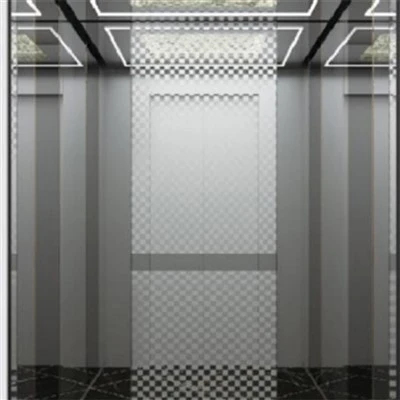
First, let’s get one thing straight: MRL elevators aren’t just “elevators without a machine room.” Traditional elevators have a whole separate floor dedicated to the motor, control systems, and gears—usually up near the top of the building. That space is a potential fire hazard, right? It’s full of electrical wiring, oil for the gears, and heavy-duty machinery that can overheat or catch fire. MRLs strip all that out and tuck those components right into the elevator shaft or the overhead area above the top floor. At first, some folks worried that putting all that equipment closer to the elevator car and passengers would make it more dangerous—but the opposite is true. By eliminating a separate, enclosed machine room, we’re removing one of the biggest fire risks in traditional elevator setups.
One of the key fire safety features I always highlight to clients is the integrated fire-rated control system. With MRLs, the main electronic controls aren’t hidden away in a distant room; they’re mounted inside the shaft, but they’re designed to handle extreme heat. Most modern MRL control units are tested to withstand temperatures up to 1,500°F for at least 30 minutes—way hotter than a typical building fire. That’s not just a random number; it’s based on fire code standards for life safety systems. So even if there’s a fire in the hallways or another part of the building, the elevator’s core systems won’t short out immediately. That gives firefighters and building occupants critical time to react.
Another big one is the overheat protection for the drive system. MRL elevators use permanent magnet motors instead of the old gear-driven motors in traditional units. These motors are way more energy-efficient, but they also run cooler—so there’s less chance of them igniting something if they overwork. But we didn’t stop there. Every MRL motor has built-in thermal sensors that shut the system down automatically if the temperature gets too high. If, for some reason, the motor starts to overheat (say, because a door is stuck and the elevator is trying to force its way open), the sensors trigger an immediate cut-off to the power. That prevents a small overheat from turning into a full-on fire in the shaft, where it could spread quickly.
Wait, let’s talk about the shaft itself too. MRL elevator shafts are built with fire-resistant materials, right? But not just any drywall—we use type X gypsum board or even concrete in most commercial and residential buildings. These materials don’t burn easily, and they slow the spread of smoke and flames between floors. Unlike a traditional machine room, which is often connected to the building’s attic or a utility closet, the MRL’s component housing is sealed into the shaft structure. That means a fire can’t easily jump from the shaft to other parts of the building, and vice versa. I’ve seen this play out firsthand: a client in a mid-rise apartment building had a small electrical fire in a ground-floor closet a few years back. The MRL elevator’s shaft was sealed well enough that smoke didn’t get into the elevator cars, so residents could use them to evacuate once the fire department gave the okay. That’s the kind of real-life safety you can’t get with old-school elevators.
Oh, and don’t sleep on the smoke detection and evacuation mode. Every modern MRL elevator is hooked up to the building’s fire alarm system, but it has its own smoke sensors too. If the sensors detect smoke in the elevator shaft or the machine housing (even a whiff that’s too small for the building’s main alarm to pick up), the elevator goes straight into “fire service mode.” What does that mean? It skips all intermediate floors, heads straight to the closest lobby (usually the ground floor), opens the doors, and shuts down until a firefighter comes to reset it. No more people trapped in a car that’s filling with smoke—no more the elevator continuing to run through a fire zone. That’s a game-changer. Traditional elevators often need manual resetting from the machine room, which is a problem if that room is full of smoke or fire. MRLs eliminate that step, so the evacuation process is way faster.
Let’s also talk about the wiring. In traditional elevators, you have miles of wiring running from the machine room to the car, the doors, the control panels. A lot of that wiring is exposed, and if a fire starts, it can melt or catch fire easily. MRL elevators use fire-rated wiring, too—we call it “plenum-rated” or “riser-rated” wire. This wire is coated with a material that doesn’t give off toxic fumes when it burns, and it can resist fire for hours. That’s huge because toxic fumes are one of the biggest killers in building fires. Someone could inhale a little smoke from a wire fire and pass out before they even see flames. The fire-rated wiring in MRLs stops that from happening inside the elevator, so people inside don’t face that extra risk.
Wait, I should address a common question I get: “If the machine is in the shaft, is there a risk of fire spreading from the machine to the car?” The short answer is no, because of the thermal barriers we install between the motor/control unit and the elevator car. These barriers are made of heat-resistant silicone and ceramic materials, so even if the motor is running hot, it can’t transfer that heat to the car’s interior. Plus, the car’s interior is made of non-combustible materials these days—stainless steel, aluminum, fire-retardant composite panels. No more wooden paneling that could catch fire from a stray spark.
Another thing: MRL elevators require less regular maintenance than traditional ones, which actually improves fire safety over time. Traditional machine rooms have gears, belts, and oil reservoirs that need to be checked every month. If you skip a maintenance check, oil can leak onto hot parts and cause a fire. MRL motors don’t have gears—they’re enclosed, sealed units that only need a check once or twice a year. That means fewer chances of human error leading to a fire hazard. I’ve had clients who switched from traditional to MRLs tell me their maintenance costs dropped by 30%, and their fire inspection results got way better. It’s a win-win.
Now, let’s get real for a second. No elevator is 100% fireproof. But MRLs are designed to meet or exceed every fire code standard out there, from NFPA 101 (the Life Safety Code) to ASME A17.1 (the elevator safety code). We’ve tested our units in real fire scenarios, not just lab tests, and they consistently perform better than traditional elevators. For hospitals, apartment buildings, offices, and schools—places where fire safety is non-negotiable—MRLs are the way to go.
If you’re in the market for new elevators, or you’re upgrading your existing ones and want to make sure they’re up to snuff on fire safety, let’s chat. I’ve worked with small residential buildings and large commercial complexes, and I can help you pick an MRL elevator that fits your space, your budget, and your safety needs. Whether you’re wondering about compliance with local fire codes, the best placement for smoke sensors, or even how MRLs fit into a building’s overall fire evacuation plan, I’m here to walk you through it.
Residential Elevators References:
National Fire Protection Association (NFPA) 101: Life Safety Code
ASME A17.1/CSA B44: Safety Code for Elevators and Escalators
U.S. Access Board: Elevator Fire Safety Standards for Public Buildings
International Code Council (ICC) – International Building Code (IBC) Chapter 30: Elevators and Conveying Systems
American Society of Heating, Refrigerating and Air-Conditioning Engineers (ASHRAE) – Electrical Room Fire Safety Guidelines
Ningbo Dongao Elevator Co., Ltd.
As one of the most experienced machine room less elevators manufacturers and suppliers in China, we also support customized service. We warmly welcome you to buy high quality machine room less elevators for sale here from our factory. For quotation, contact us now.
Address: No. 16 Xiapan Road, Ninghai County, Ningbo City, Zhejiang Province
E-mail: 13777289058@163.com
WebSite: https://www.daelevator.com/
