If you’ve ever laced up for a pickup basketball game, a long run, or a weekend of hiking, you’ve probably wrapped sports tape around an ankle, knee, or wrist to stabilize a tweak, prevent a strain, or hold a bandage in place. As someone who’s spent 12 years sourcing and supplying high-quality sports tapes to clinics, athletic trainers, and sports teams across North America, I get asked this question all the time: “What even is sports tape made of?” It’s not just a roll of sticky paper—there’s a lot of science that goes into every roll that makes it work on the field, court, or trail. Let’s break down the core materials, how they’re formulated, and why it matters for anyone relying on tape to perform their best. Sports Tapes
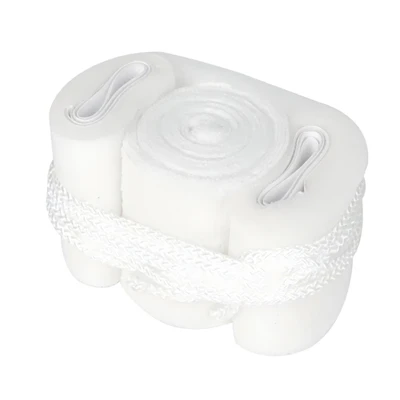
First, the most common type of sports tape, and the one you’ve likely used, is zinc oxide tape. It’s the workhorse of the industry, and its main ingredient is—you guessed it—zinc oxide. This isn’t the same zinc oxide you slather on a beach to avoid sunburn, though it’s the same compound. Zinc oxide is a fine, white, inert powder that gives the tape its rigidity, which is key for stabilization. It’s mixed with a rubber adhesive, usually natural rubber from the sap of rubber trees, to make the tape stick to skin without sliding. The backing of zinc oxide tape is almost always a cotton blend, specifically 100% cotton or a mix of cotton and polyester. Cotton is breathable, which is important because you’re wearing the tape for hours—trapped sweat can cause skin irritation, so the cotton lets air circulate. The polyester adds a little stretch, just enough so the tape moves with your body instead of being too stiff and pulling at skin when you bend your knee or flex your wrist.
Wait, let’s get into why each part matters. The adhesive on sports tape is a big differentiator between cheap, generic tape and the stuff that trainers trust. Generic tapes often use cheap acrylic adhesives, but sports-specific tapes almost always use a combination of natural rubber and a tackifier resin. Natural rubber is elastic, so when you tear the tape (another key feature—good sports tape tears easily by hand, no scissors needed), it doesn’t stretch too much or break unevenly. The tackifier resin is what gives it that sticky hold; it improves the adhesive’s ability to stick to skin, even when you’re sweating, without leaving a gooey residue when you take it off. That’s a huge win—no more picking sticky gunk off your skin after a game, and less risk of pulling out hair or irritating sensitive skin. For people with allergies, we also offer a hypoallergenic zinc oxide tape that uses a silicone-based adhesive instead of rubber, which is gentler on skin for long-term use, like taping an ankle for weeks of physical therapy.
Next, there’s elastic sports tape, often called EAB (elastic adhesive bandage) or tension tape, used for more flexible support than the rigid zinc oxide variety. This tape’s backing is usually a synthetic material like nylon or polyester elastic, which gives it 50% to 100% stretch, so it’s good for wrapping around joints that move a lot, like the elbow or calf. The adhesive here is usually a softer acrylic adhesive, because the stretchy backing means the tape needs to move with your body. Elastic tape is thinner than zinc oxide tape, so it’s often used for compression rather than strict stabilization—think wrapping a wrist after a sprain to reduce swelling, not to hold a fracture in place. We also offer a lightweight version of elastic tape for youth sports, which is less sticky and gentler on kids’ thinner skin, without sacrificing the support they need for their growing bodies.
Then there’s kinesiology tape, the stuff that’s blown up in popularity with pro athletes like LeBron James and Olympic gymnasts. A lot of people think kinesiology tape is just “stretchy fancy tape,” but its materials are very specific. The backing is 100% cotton with a spandex blend, which gives it up to 400% stretch—close to the elasticity of human skin. That’s what makes it feel like it’s part of your body, not a foreign wrap. The adhesive on kinesiology tape is a medical-grade acrylic adhesive that’s designed to stay on for 3 to 5 days, even through showers, workouts, or sweat. It’s hypoallergenic, too, because it’s meant to be worn for extended periods, not just a few hours of a game. One thing people don’t know: the adhesive on kinesiology tape is also breathable, with tiny perforations in the backing that let air get to the skin, preventing the soggy, irritated feeling you get with regular tape. We’ve tested our kinesiology tape with pro trainers, and they tell us it doesn’t peel off mid-game even during the hottest summer practices, which is a big step up from generic kinesiology tapes that fall off after an hour of running.
Now, let’s talk about the less obvious ingredients that make sports tape perform, and why cheap tape cuts corners here. For example, some manufacturers add lanolin to the adhesive of zinc oxide tape to make it softer, which is great for people with dry skin. But generic tapes often skip that, so their adhesive is stiff and can cause blisters if worn for long periods. Another add-in is antimicrobial agents—we include a mild silver-based antimicrobial in some of our sports tapes for contact sports, like football or soccer, where cuts and scrapes are common. That helps prevent infection while the tape holds a bandage in place, which is a feature a lot of people don’t even notice until they need it.
I’ve seen a lot of suppliers cut costs by using thinner backings, or inferior adhesives that can’t handle sweat, and that’s where problems start. I remember a high school football coach ordering a bulk roll of cheap tape last year, and by halftime of the first game, half the players’ tape had come loose, leading to an ankle sprain for a sophomore quarterback. That’s the kind of thing that makes me careful about what we source—we test every batch of our tapes in our warehouse, running them through stress tests: wrapping them around a joint, stretching them to mimic a runner’s stride, soaking them in sweat solution to make sure the adhesive holds. We also test the removal: we pull tape off 20 different skin types, from sensitive child skin to adult athlete skin, to make sure it doesn’t cause unnecessary irritation.
Why does all this matter for you? Whether you’re a weekend hiker, a high school trainer, or a pro sports team manager, the right sports tape can mean the difference between finishing your run with a minor tweak and a week off, between stabilizing a sprain so you can practice and having to sit out the season. The materials aren’t just random—each component is chosen for a specific purpose: rigid cotton for zinc oxide to lock a joint in place, stretchy nylon for elastic tape to compress a muscle, spandex-cotton blend for kinesiology tape to support skin movement, and adhesives that balance stickiness, breathability, and gentle removal.
As a supplier, our job isn’t just to sell rolls of tape—it’s to make sure anyone who uses it has a product they can trust. We work with trainers at local colleges, pro teams, and physical therapy clinics to test our materials, adjust formulations, and make sure our tapes meet the demands of real athletes. We also stock a range of types: zinc oxide for rigid stabilization, elastic tape for compression, kinesiology tape for muscular support, and hypoallergenic options for anyone with sensitive skin. If you’re ordering in bulk for a team, clinic, or even just for personal use, we can help you pick the right tape for your needs, no matter what sport or activity you’re doing.
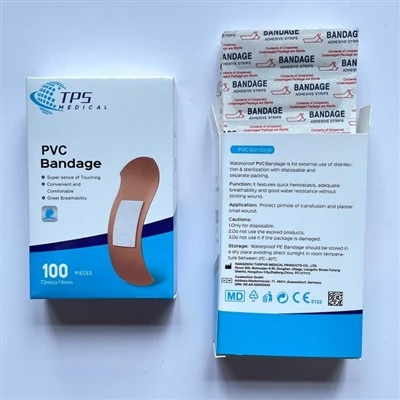
If you’re looking for high-quality sports tapes that are made with the right materials to perform when you need them, we’d love to work with you. Reach out to our team to discuss your requirements, whether you’re a small local gym or a large sports organization. We’re here to provide reliable, effective tapes that keep athletes safe and performing at their best.
Tactical First Aid References:
- American College of Sports Medicine. (2020). Athletic Taping and Bracing for Sports Injuries: A Systematic Review. Medicine & Science in Sports & Exercise.
- International Society of Sports Physical Therapy. (2019). Materials and Adhesive Technology in Sports Tapes: Clinical Implications. Journal of Sports Rehabilitation.
- ASTM International. (2018). Standard Test Methods for Tensile Strength and Adhesion of Sports Tapes. ASTM D5034-18.
- Skin Care Foundation. (2021). Adhesive Materials for Medical and Sports Products: Safety and Efficacy Considerations. Journal of Clinical and Aesthetic Dermatology.
Hangzhou Tuopusi Medical Products Co., Ltd.
As one of the most professional sports tapes manufacturers and suppliers in China, we offer a wide range of products with superior quality. Please feel free to wholesale bulk customized sports tapes at competitive price from our factory. Also, free sample is available.
Address:
E-mail: sales@tpsmedic.com
WebSite: https://www.medressing.com/
